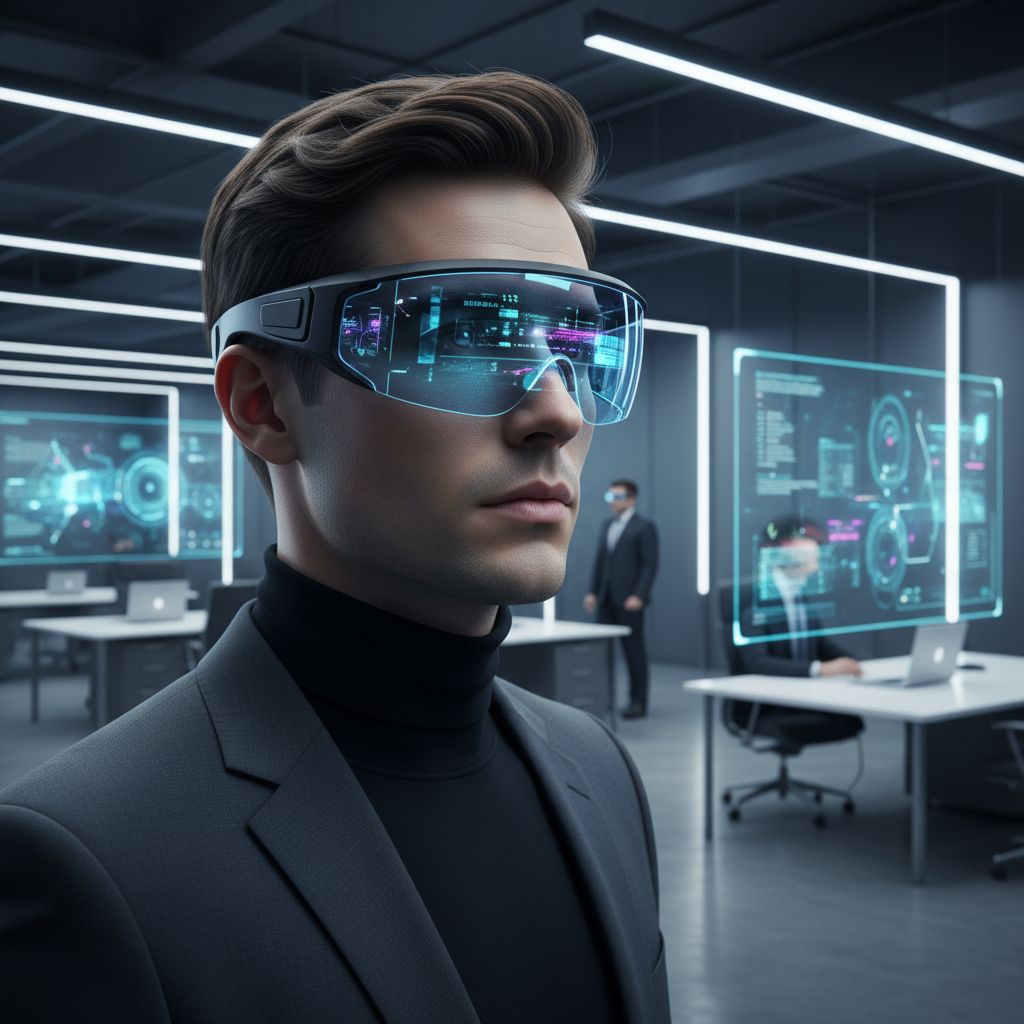
The promise of smart glasses has long captivated the imagination of Silicon Valley, painting a vivid picture of a future where mobile computing seamlessly integrates into our daily lives without the constant need to stare at a phone screen. For science-fiction enthusiasts, a strong demographic within the tech industry, this vision of lightweight, face-worn computing devices feels not just plausible, but inevitable. Yet, for the better part of a decade, this dream has remained elusive, resembling a financial black hole that has swallowed colossal investments with little to show in terms of profit.
“Everybody’s losing money,” states Chi Xu, the founder and CEO of XREAL, a prominent smart glasses company and long-time partner of Google. This candid assessment, shared at Google’s I/O conference, underscores the immense challenges inherent in developing truly functional and desirable extended reality (XR) glasses. Xu admits, “That’s because it’s very hard, what we’re doing.”
The Elusive Dream of Smart Glasses
For years, the obstacles hindering smart glasses adoption were glaringly obvious: bulky, uncomfortable designs that made users feel awkward in public, coupled with software that offered only marginal benefits. The industry struggled to overcome these hurdles, leading to a cycle of hype and disappointment that left consumers skeptical and investors wary. This arduous journey has tested the resolve of even the most optimistic innovators.
However, a shift is underway. Industry insiders, including Xu, now believe the business is finally turning a corner, approaching a crucial inflection point. Years of relentless research and development are starting to bear fruit, addressing the very issues that plagued earlier iterations. The next generation of wearable technology promises a more refined and integrated experience.
A Turning Point? How XREAL and Meta are Leading the Way
This renewed optimism has much to do with companies like Meta, whose 2023 partnership with Ray-Ban produced one of the first lines of smart glasses to achieve significant commercial sales. While it’s worth noting that Meta’s Reality Labs division, responsible for these glasses, still operates at a substantial loss, their success demonstrated a crucial market appetite for well-designed, socially acceptable wearable tech. This momentum is helping to redefine consumer expectations for smart glasses.
As form factors continue to shrink and software becomes increasingly sophisticated, XREAL’s Chi Xu feels confident that his company is poised to become a leader in the space. He emphasizes the critical need for a holistic approach, stating, “You need all the key pieces ready — you need the hardware ready, the operating system needs to be ready, and then you need a great user interface.” This integrated vision is central to overcoming past failures and delivering a truly compelling product.
Inside XREAL’s Project Aura: Features and Vision
XREAL’s latest endeavor, Project Aura, embodies this comprehensive strategy. These wired smart glasses feature impressive OLED displays embedded directly within the frames, allowing users to watch high-resolution videos right before their eyes. While Project Aura requires a small, phone-shaped “puck” — essentially a mini-computer that powers the experience and can slip into your pocket — this trade-off enables a richer and more varied user experience.
The functionality offered by Project Aura extends far beyond simple video playback. Users can enjoy an immersive Google Maps app, explore VR YouTube videos, and even create holographic imagery visible only to them through a unique “painting app” that leverages advanced hand tracking. The system also supports games, playable via hand tracking, and provides basic web surfing capabilities, transforming how we interact with digital content.
The company envisions a wide array of practical applications for Project Aura, enhancing both personal and professional lives. “Whether you are following a floating recipe while cooking, setting up a private workspace at a coffee shop or on a flight, or watching a movie on a virtual big screen at home, the experience is seamless,” XREAL promises. Xu further articulates a vision where the device isn’t just for entertainment but also for productivity, stating, “It’s not just about watching the NBA game in a hologram type of format; you could also go to a coffee shop and do some work.”
The Future Ahead: Commercial Launch and Beyond
Currently, Project Aura is exclusively available for developers, allowing them to innovate and build applications for the platform. However, XREAL plans a commercial launch later this year, bringing its advanced smart glasses to a broader consumer market. This phased rollout ensures a robust ecosystem of applications will be ready for mainstream users.
Financially, XREAL is also making strategic moves to solidify its position. Xu reports that the company has been diligently raising its gross margin while simultaneously lowering its marketing and sales costs. This disciplined approach is critical for achieving sustainable growth in a challenging market, and Xu optimistically projects, “Next year is the year when we could actually break even.” Additionally, XREAL is reportedly working towards an IPO expected before the end of 2026, a significant milestone that could further fuel its ambitions in the competitive smart glasses landscape.
Source: TechCrunch – AI
