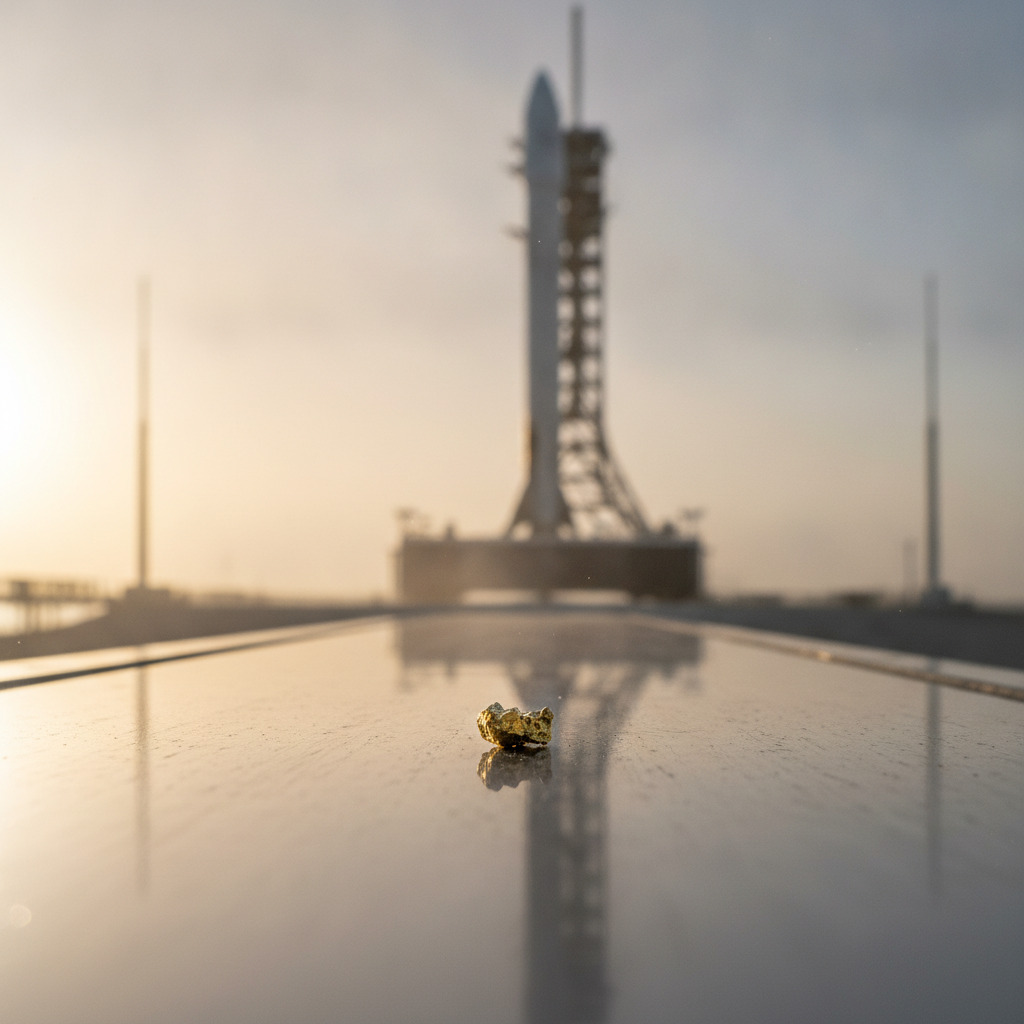
The buzz around a potential SpaceX Initial Public Offering (IPO) creates excitement and dreams of immense wealth. However, the reality for average retail investors is likely less glamorous; IPO gains are often reserved for those already on the inside.
Elon Musk’s company is the world’s leading private space enterprise, launching astronauts and powering Starlink internet. Its recent xAI acquisition positions it as the first major US AI startup to go public, fueling intense interest.
SpaceX has reportedly raised $75 billion, valuing the company at an astounding $1.75 trillion. If confirmed, this would make it the largest IPO in history, sparking dreams of stratospheric returns.
The Lure of the Launchpad: Why Everyone Wants a Piece of SpaceX
Like most IPOs, the system typically favors existing shareholders: employees, institutional asset managers, and Elon Musk. Retail investors rarely get to participate at the initial offering price, making access nearly impossible.
The SpaceX IPO introduces a seemingly more accessible approach for individual investors. The company reportedly plans to allocate 30 percent of its “float”—publicly available shares—to the Average Joe, representing about $22.5 billion, far exceeding the typical 5-10 percent.
Some brokers are also lowering investment barriers, adding to this retail-friendly appearance. Fidelity, a major asset manager, typically requires $100,000 to $500,000 in assets for IPO participation, but for SpaceX, that minimum has dropped to just $2,000.
Navigating the Velvet Rope: Demand vs. Reality
Despite these efforts, overwhelming demand quickly overshadows increased accessibility. While $75 billion worth of stock is available, retail investors alone reportedly submitted an astonishing $100 billion in orders, not counting institutional bids like BlackRock’s reported $5 billion.
Ultimately, SpaceX’s bankers decide who buys shares at the IPO price of $135 a share, and how much. Even with loosened standards, your chances of a significant allocation remain extremely slim, likely just a handful of shares insufficient for substantial wealth.
“The average investor gets the leftovers,” states Campbell Harvey, a finance professor at Duke University. The 30 percent retail allocation can be misleading; since only 4 percent of total shares are being sold as float, retail investors will collectively own just over 1 percent of the company—”a few crumbs.”
Not Quite the Ground Floor: Why SpaceX Isn’t Your Typical IPO Play
SpaceX’s IPO is unusual due to the company’s significant maturity. Founded in 2002, it has spent decades raising capital through private funding rounds, meaning substantial value was “baked in” long before its public debut.
“An IPO share price often means getting in at the ground floor,” notes Matthew Kennedy, a senior IPO market analyst. He cautions this isn’t necessarily true for SpaceX; much of its value is already “baked in” for existing shareholders, making it not a fresh, early-stage opportunity.
For most missing the initial allocation, purchasing shares on the open market is the only option. Jay Ritter, director of the IPO Initiative at the University of Florida, warns open market prices are likely higher than the offer price, as any initial pricing advantage evaporates.
“By the time a retail investor has a chance to buy stock, it’s often fully priced,” Professor Harvey adds. Attempting quick profit on day one is challenging, so experts suggest viewing this as a potential long-term investment rather than a short-term gamble.
In summary, SpaceX’s IPO is a monumental event, but odds for average retail investors to secure a significant allocation are exceptionally low. Demand far outstrips supply, and much of the “ground floor” opportunity has passed, meaning most will invest on the open market at its colossal $1.75 trillion valuation.
Source: Wired – AI
