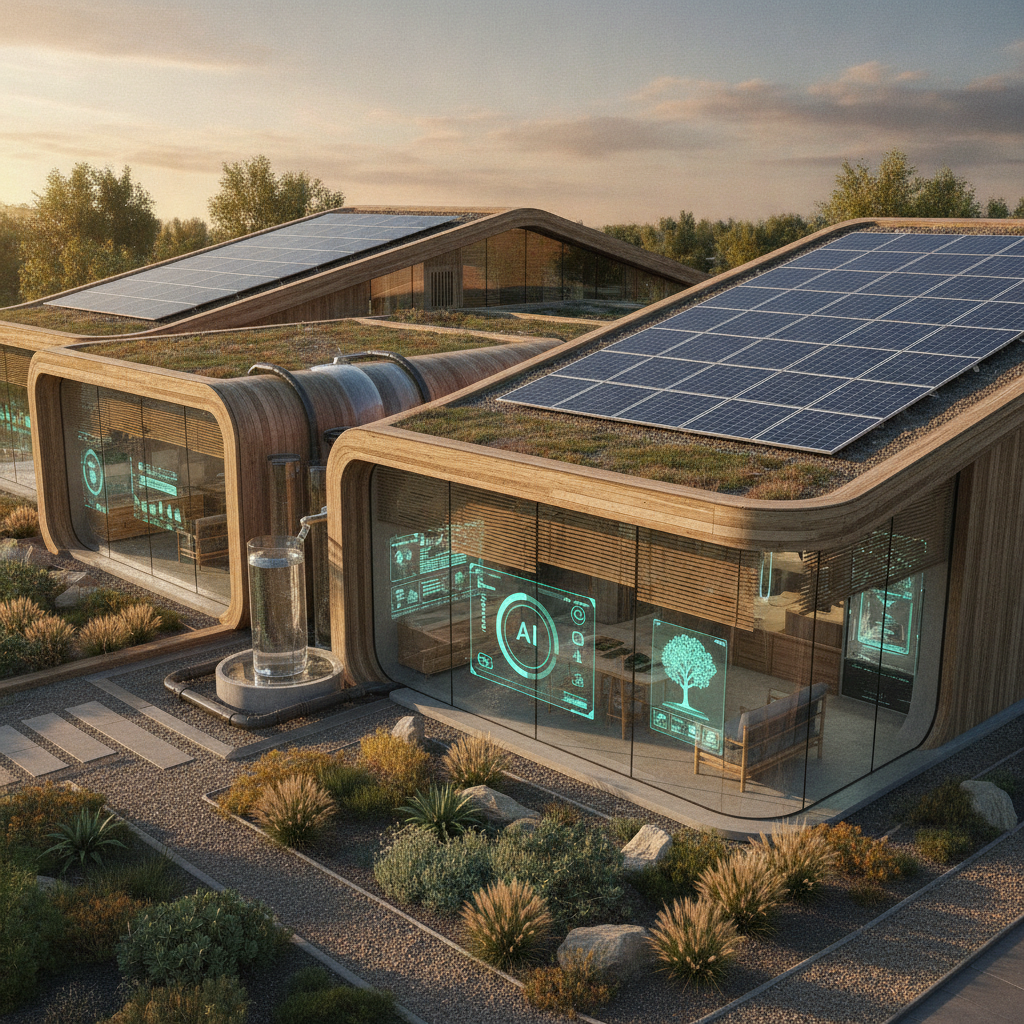
Our homes are constantly evolving, adapting to a world that looks remarkably different than it did just a few decades ago. From the latest interior trends and cutting-edge technology to innovative insurance models, the very definition of “home” is in flux. These external shifts shape not only what we desire in a living space but also what it takes to keep it safe and secure for years to come.
To help navigate this transformation, Architectural Digest and WIRED joined forces for a special series exploring the future of home. Amy Astley, Global Editorial Director of AD, and Katie Drummond, Global Editorial Director of WIRED, share their insights into this groundbreaking collaboration. Together, they delve into the critical questions shaping how we live today and tomorrow.
Redefining Comfort and Resilience
Amy Astley explains that the collaboration began with a fundamental question: What do we truly want and need from our homes? While AD has always championed beauty and comfort, the concept of home has become increasingly complex. Homeowners are now grappling with significant concerns that extend far beyond aesthetics, including global climate issues, soaring material costs, and the integration of new technologies.
Katie Drummond agrees, highlighting how rapidly advancing technology, especially Artificial Intelligence (AI), is deeply embedding itself into our daily lives. At WIRED, the focus isn’t whether your home will be smart—it inevitably will be—but rather how that technology will truly be used. The ultimate goal is to understand where these innovations can be most useful and how they can operate seamlessly within our living spaces.
Astley emphasizes that smarter homes must also be built to withstand modern challenges. Fred Bernstein’s description of Olson Kundig’s Shearwater house perfectly illustrates this, suspended 23 feet off the ground on steel columns to mitigate the urgent risk of rising tides. What once seemed like extreme engineering is now an essential aspect of resilient design.
Across the globe, architects are rethinking traditional approaches, turning to local, low-tech materials like compressed earth, bamboo, and fire-resistant timber. Elizabeth Fazzare reports that for many designers, the future isn’t about inventing entirely new solutions, but rather intelligently reimagining what we already know works effectively. This focus on sustainable and durable resources is becoming paramount.
The Evolving Role of Technology at Home
Drummond notes how these themes resonate in WIRED’s coverage, particularly regarding the concept of aging in place. She points to their profile of Stewart Brand, the countercultural icon, who at 87 has built a state-of-the-art eco-home designed specifically for his later stage of life. As human life expectancies increase, the technology and design solutions that facilitate comfortable, independent living are constantly evolving.
Steven Blum’s moving essay further explores this, detailing the complicated, and sometimes invasive, experience of monitoring an aging parent with an always-on microphone. While other pieces on elder care might focus on robotic companions or smart trackers, Blum’s unique perspective truly highlights the “loneliness gap” that technology can surprisingly bridge. It’s a powerful look at the human element within technological assistance.
This raises a crucial question about the boundaries of security and privacy within our homes. Drummond asks: How far are we willing to go, and what personal or family privacy might we compromise, in the pursuit of feeling secure? These are complex ethical considerations that modern homeowners increasingly face.
Balancing Innovation, Privacy, and Affordability
Interestingly, some people are choosing to opt out of smart technology altogether. Amy Astley highlights Jill Kargman’s humorous piece on the analog home, which cleverly captures the growing backlash against “smart everything.” Designers are increasingly reporting clients requesting low-tech solutions, even working landline phones, underscoring a desire for simplicity and disconnection.
A recent AD survey of 10 design talents revealed predictions for calmer homes with dedicated “nooks” where homeowners can truly disconnect. Designers are stepping into a new role, becoming curators of human connection and tranquility within interiors. Perhaps the ultimate luxury in our hyper-connected world is not more technology, but significantly less of it.
However, luxury remains out of reach for many. Katie Drummond shares that WIRED’s global reader survey revealed a common theme: people overwhelmingly want affordable homes. While the future was once synonymous with smarter homes, readers are now more concerned with budgets and protection from climate change impacts. Even WIRED’s Gear team, known for reviewing cutting-edge gadgets, offered a collection of practical lamps when asked for home tech suggestions, emphasizing utility over novelty.
Astley confirms this trend, noting that Jackie Cooperman’s reporting on the modern starter-home dream highlights similar affordability challenges. It’s difficult to envision the future of home when basic ownership feels inaccessible to so many. These economic realities are central to the current conversation.
This collective understanding underscores why AD and WIRED embarked on this special collaboration. Both editorial teams offer unique, informed perspectives on the present moment. While there’s significant hype around automation and optimization, the most successful homes of the future may well be the most adaptable ones.
As Katie Thornton illustrates in her piece on parametric insurance, preparedness is key. Homes in communities that are proactively ready for the worst-case scenarios will thrive. Ultimately, our goal is to inspire the creation of spaces that truly work for our modern lives, no matter what challenges or innovations lie ahead.
Source: Wired – AI
