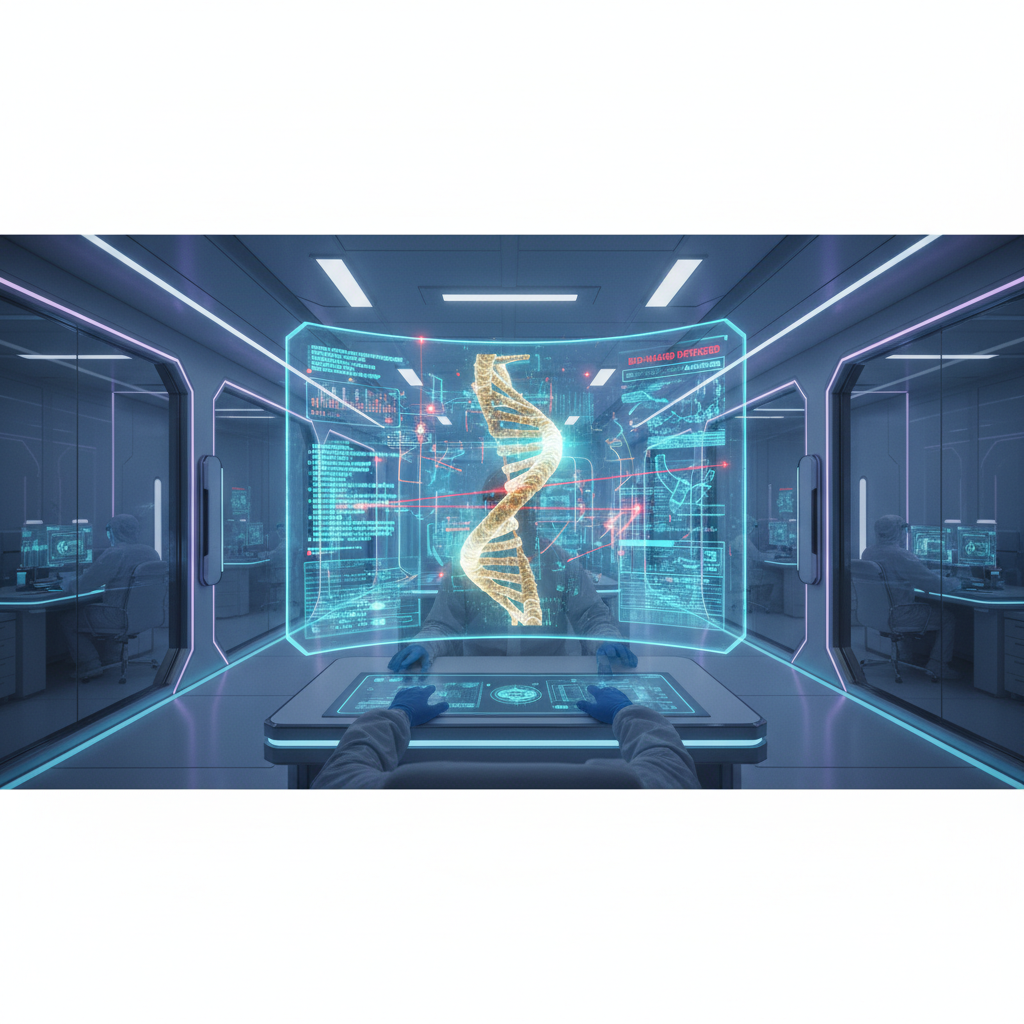
In a surprising and significant move, the chief executives of leading artificial intelligence companies, including OpenAI, Anthropic, and Google DeepMind, have united in a call for new legislation targeting DNA screening. This unprecedented joint appeal underscores a growing urgency among tech leaders regarding the potential intersection of advanced AI and biological research, raising critical questions about global biosecurity.
The core of their proposal centers on implementing a comprehensive DNA screening law, designed to prevent the misuse of synthetic biology tools. Specifically, the concern is that highly capable AI systems could potentially accelerate the development and synthesis of dangerous pathogens, either intentionally or inadvertently, posing severe risks to public health and global stability.
AI and the Bioseosecurity Frontier
The rapid advancements in artificial intelligence are not just transforming industries; they are also opening new frontiers in fields like biotechnology. While AI promises groundbreaking discoveries in medicine and materials science, it also presents a dual-use dilemma, where powerful tools could be leveraged for harmful purposes.
This coalition of AI leaders emphasizes that as AI models become more sophisticated, they could hypothetically aid in designing novel biological agents or optimizing existing ones, making them more virulent or resistant to treatments. Therefore, a proactive regulatory framework is seen as essential to mitigate such catastrophic risks before they materialize.
The proposed DNA screening law would ideally establish stringent checks for anyone attempting to synthesize genetic material. This could involve verifying identities and intentions, flagging suspicious orders, and creating a global database to track the synthesis of potentially dangerous DNA sequences. The goal is to create a robust defensive layer against bioterrorism and accidental biological catastrophes.
Why Tech Leaders Are Stepping Up
It might seem unusual for AI executives to advocate for biosecurity legislation, but their involvement stems directly from their understanding of AI’s capabilities and trajectory. They are at the forefront of developing these powerful technologies and possess unique insights into both their immense potential and their inherent risks.
Their call highlights a recognition that the responsibility for safe AI development extends beyond just the algorithms themselves to the wider societal impact. By advocating for regulatory measures in adjacent critical fields like synthetic biology, these leaders are demonstrating a broadened commitment to responsible innovation and global safety.
This initiative also serves as a strong signal to governments worldwide, urging them to prioritize discussions and policy-making at the complex intersection of AI and biotechnology. It’s a clear indication that leading experts believe the risks are real and necessitate immediate, collaborative action on an international scale.
The Path Forward: Challenges and Opportunities
Implementing a global DNA screening law is undoubtedly a monumental task, fraught with legal, ethical, and logistical challenges. It would require unprecedented international cooperation, harmonized regulatory standards, and sophisticated tracking mechanisms to be truly effective.
Key considerations would include:
- Defining “dangerous” sequences: Establishing clear, scientifically sound criteria for what constitutes a high-risk DNA sequence that warrants scrutiny.
- Global compliance and enforcement: Ensuring that all nations, particularly those with significant biotech capabilities, adhere to the regulations.
- Protecting legitimate research: Crafting a framework that doesn’t stifle crucial scientific advancements and medical breakthroughs.
- Data privacy and security: Safeguarding sensitive genetic information collected through screening processes.
- Technological feasibility: Developing and deploying reliable and scalable screening technologies capable of handling vast amounts of data.
Despite these complexities, the united front from OpenAI, Anthropic, and Google DeepMind CEOs provides significant momentum. Their combined influence could galvanize policymakers and researchers alike to accelerate efforts in building robust biosecurity measures. This dialogue represents a crucial step towards proactively managing the powerful synergy between artificial intelligence and biotechnology, ensuring that innovation benefits humanity without inadvertently creating new existential threats.
Source: Google News – AI Search
