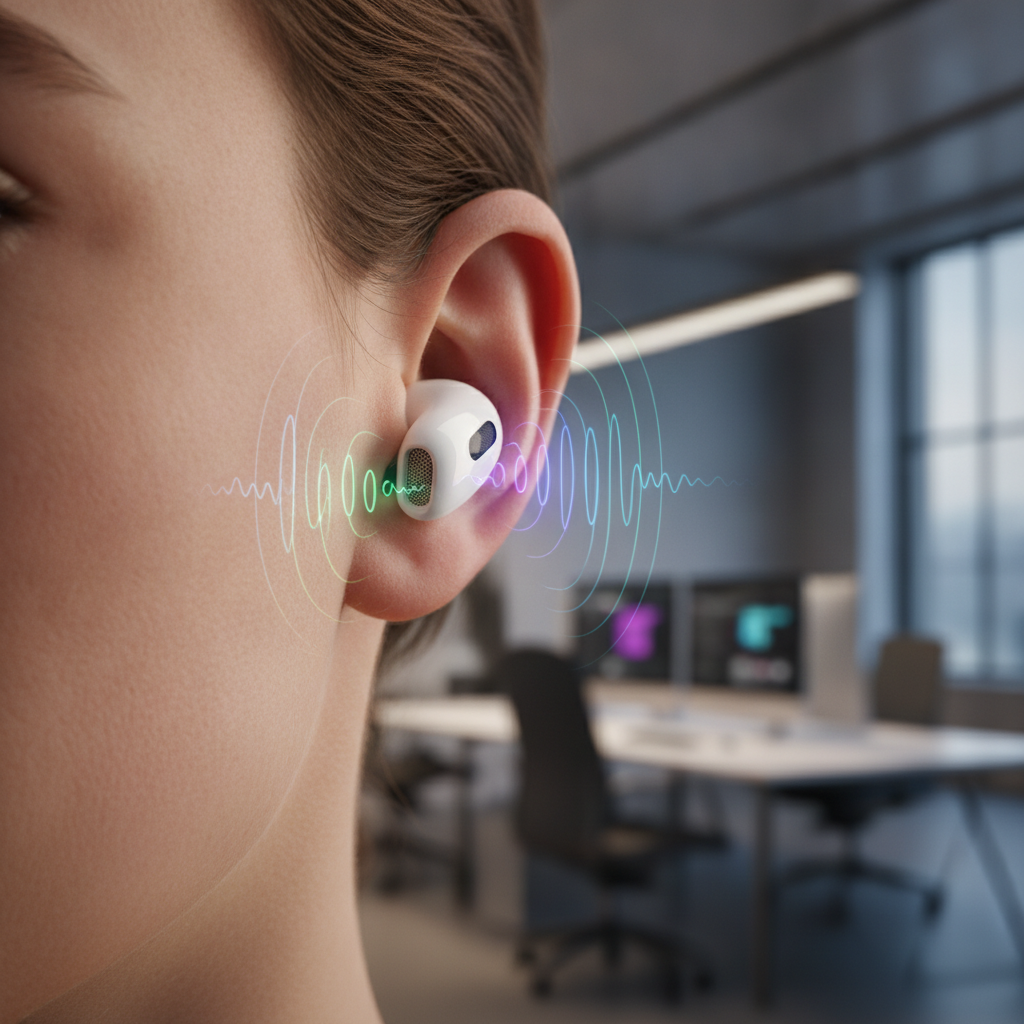
Amidst the flurry of announcements at WWDC 2026, from stunning Liquid Glass display customizations to groundbreaking Siri upgrades, one particular detail for AirPods users flew surprisingly under the radar. Apple, known for its meticulous control over user experience, quietly unveiled a feature that many have been clamoring for: a true custom equalizer for AirPods. This seemingly minor update, set to arrive with iOS 27 this fall, represents a significant shift in Apple’s philosophy and promises to revolutionize how you experience your favorite audio.
While keynote speakers may have breezed past it with minimal fanfare, the implications of this new equalizer are substantial. For years, AirPods users have been tethered to Apple’s default sound profile, however expertly engineered. The arrival of a customizable EQ finally empowers listeners to tailor their audio to their unique preferences, unlocking a new level of personalization and sound fidelity.
A Long-Awaited Feature for AirPods Users
Historically, Apple has held unwavering confidence in the inherent sound profile of its AirPods. The company maintained that its dedicated sound engineers meticulously crafted each model to deliver the optimal listening experience, leaving little room for user intervention. This ‘Apple knows best’ approach, while ensuring consistency, often left power users and audiophiles wishing for greater control over their sound.
Previously, any attempt at adjusting AirPods’ sound profiles was largely confined to the Apple Music settings, offering only a handful of preset EQ options. While these presets provided some variety, they fell far short of the granular control many users desired. The inability to fine-tune bass, mids, or treble felt like a glaring omission, especially considering the premium nature of AirPods.
The introduction of a custom equalizer with iOS 27 marks a pivotal moment, granting users the agency to sculpt their audio landscape. This shift acknowledges the diverse listening habits and preferences of millions of AirPods owners, from those who crave punchy bass for their workouts to others who prefer crisp, balanced sound for podcasts or classical music. It’s about giving you the tools to make your AirPods sound exactly how *you* want them to.
What We Know About the New AirPods Equalizer
Despite its understated announcement, a brief animation during WWDC offered a tantalizing glimpse into the forthcoming equalizer. The visuals showcased a graphic EQ, indicating that users will have the capability to create their own custom sound profiles. This is a game-changer for anyone who has felt that their AirPods were either too bass-heavy, lacked vocal clarity, or simply didn’t quite hit the sweet spot for certain genres.
In addition to custom profiles, Apple also hinted at offering its own recommended EQ settings, likely catering to various musical styles or common listening scenarios. Crucially, the animation confirmed that users will be able to adjust the lows, mids, and highs, providing fundamental control over the audio spectrum. While the precise level of detail and the number of frequency bands remain unclear, the core functionality is there.
The ability to manipulate these key frequency ranges means you can finally boost the bass for hip-hop tracks, enhance vocal presence for podcasts, or dial back harsh treble for a more relaxed listening experience. This level of customization ensures that your AirPods, whether they’re the standard model, Pros, or Max, can truly adapt to your personal auditory preferences, rather than forcing you to adapt to them.
How Apple’s EQ Stacks Up Against the Competition
For many years, a robust equalizer has been a staple feature in consumer headphones from various manufacturers. Brands like Bose have long offered accessible EQ controls, typically allowing users to toggle bass, mids, and treble on a user-friendly 20-point scale. This provides a good balance between simplicity and effective sound shaping.
On the other end of the spectrum, companies like JBL provide incredibly detailed equalizers, often featuring 10 or more frequency bands adjustable in precise Hertz increments. These more advanced EQs cater to audiophiles who demand meticulous control over every nuance of their audio. They allow for highly specific adjustments, ideal for correcting room acoustics or compensating for hearing peculiarities.
While Apple has not yet revealed the full specifications of its equalizer, it’s reasonable to expect its implementation to strike a balance, likely falling closer to Bose’s approach. We anticipate a user-friendly interface that offers meaningful adjustments to bass, mids, and treble without overwhelming the average user with overly technical details. Even a more simplified EQ, however, represents a monumental leap forward for the AirPods ecosystem.
Why This Matters for Your Listening Experience
The introduction of a custom equalizer isn’t just a technical upgrade; it’s a profound enhancement to the entire AirPods user experience. It acknowledges that sound perception is deeply personal and that a ‘one-size-fits-all’ audio profile, no matter how expertly crafted, cannot satisfy everyone. This feature empowers you to personalize your sound, making your AirPods truly yours.
Imagine being able to give your favorite genres the exact sonic punch they deserve, or smoothing out frequencies that might sound harsh to your ears. This level of control can significantly improve comfort during long listening sessions and ensure that every podcast, song, or movie sounds optimal for your individual preferences. It’s about more than just tweaking sound; it’s about elevating your entire auditory world.
Ultimately, even if you’re perfectly content with the default sound of your AirPods, the sheer option to customize is invaluable. It provides flexibility and future-proofs your investment, ensuring that your premium earbuds can adapt to evolving tastes and new audio content. With iOS 27, AirPods users are finally gaining the powerful personalization tool they’ve long deserved, promising a richer, more engaging listening journey.
Source: ZDNet – AI
