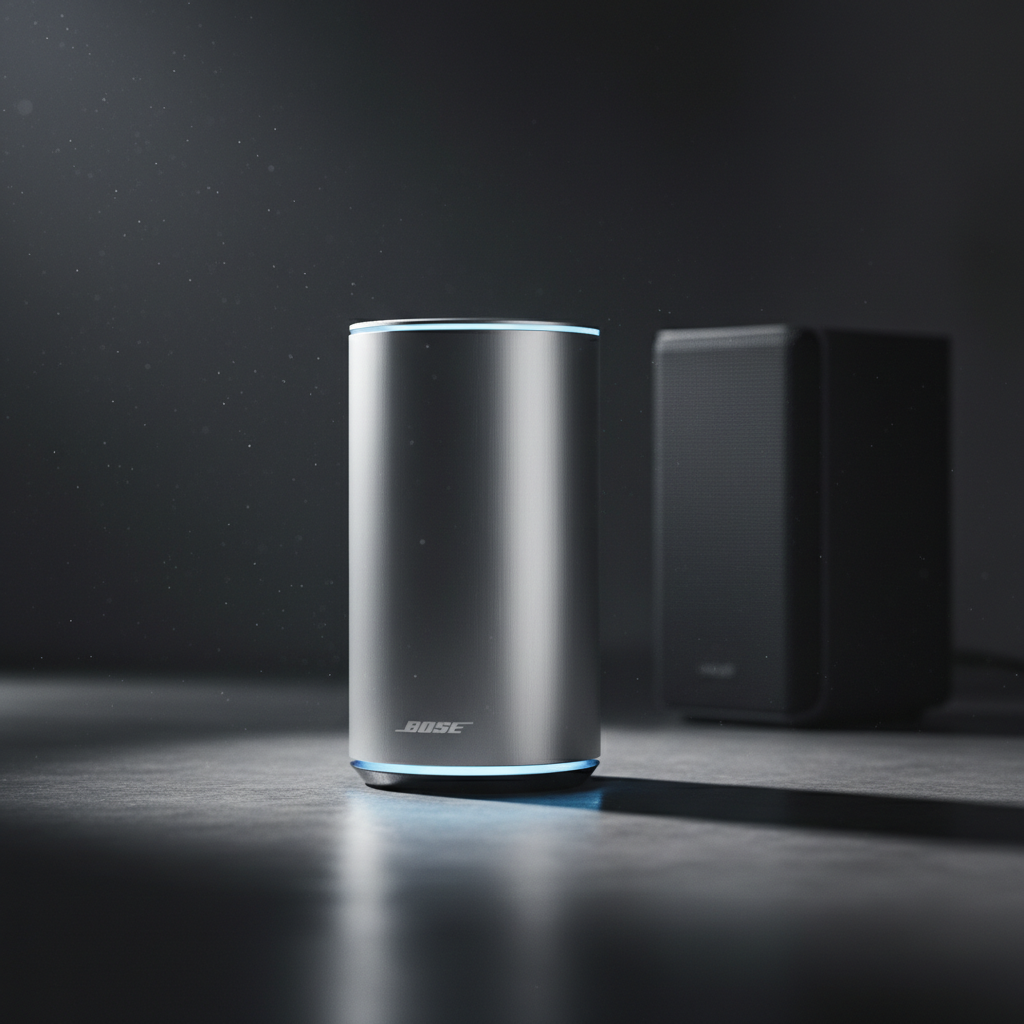
In the evolving world of multi-room audio, Sonos has long been hailed as the undisputed champion, but a growing number of competitors are now entering the ring, bringing innovative features and compelling alternatives. Among these new contenders, Bose has recently made a significant splash with its Lifestyle Ultra Speaker, a device designed to rival Sonos’s established smart speaker dominance.
Both companies offer sophisticated smart speakers that can operate independently throughout your home, pair up for immersive stereo sound, or integrate seamlessly with a compatible soundbar to function as dedicated rear speakers in a home theater setup. While a notable $130 price difference immediately stands out, deeper dives into their respective ecosystem integrations, smart features, and voice assistant support reveal more nuanced distinctions.
Choosing the Bose Lifestyle Ultra Speaker
For users deeply embedded in the Android ecosystem or those with a mix of devices, the Bose Lifestyle Ultra Speaker presents a compelling advantage. It boasts native Google Cast functionality, a feature surprisingly rare among newer smart speakers. This integration allows Android users to effortlessly stream audio directly from their devices to the speaker, much like Apple’s AirPlay.
Google Cast enables quick audio streaming from virtually any app on your source device, provided both the device and speaker are on the same Wi-Fi network. While the Lifestyle Ultra Speaker supports Google Cast, it’s important to note that it does not include Google Assistant or Gemini voice assistant support. Instead, it relies on Amazon Alexa for voice commands.
Bose has adopted a more open approach to its speaker ecosystem, foregoing a proprietary all-in-one music streaming app in favor of broad compatibility. The Bose app primarily focuses on managing the speaker’s audio source, configuration, and EQ settings. For actual music playback, you’re encouraged to stream directly from your source device using Apple AirPlay, Spotify Connect, or Google Cast.
This open philosophy has a significant benefit: it allows you to group the Bose Lifestyle Ultra Speaker with other AirPlay or Google Cast-enabled speakers from various manufacturers for a more expansive multi-room audio experience. This flexibility can be a game-changer for those who prefer not to be locked into a single brand’s ecosystem.
- Native Google Cast: Excellent for Android users or mixed-device households.
- Open Ecosystem: Stream directly from apps via AirPlay, Spotify Connect, or Google Cast.
- Multi-Manufacturer Grouping: Combine with other compatible speakers for multi-room audio.
- Alexa Voice Assistant: Integrated for smart home control and commands.
Embracing the Sonos Era 100
If your long-term vision includes building a robust home theater system, the Sonos Era 100 might be your ideal starting point. Sonos shines with its extensive range of speakers, soundbars, and subwoofers, offering unparalleled flexibility to construct a custom home cinema that perfectly suits your space and budget. Their catalog includes multiple soundbars, subwoofers, and dedicated rear speakers, all designed to work harmoniously.
A significant advantage of the Sonos ecosystem is its commitment to backward compatibility. Many older Sonos products, though no longer sold new, continue to receive software support and integrate seamlessly with their current lineup. This means your initial investment in a Sonos soundbar and a single Era 100 can evolve; you can later add another Era 100 to create a dedicated rear surround sound pair.
While Bose’s Lifestyle Ultra lineup operates similarly, its compatibility is currently limited to the three products within that specific line. Notably, Bose’s latest home theater components are not backward compatible with previous generations, meaning you can’t integrate older Bose Surround Speakers with the new Lifestyle Ultra Soundbar.
The Sonos ecosystem traditionally favors Apple devices, offering robust AirPlay support and direct access to the Apple Music app through the Sonos app. Sonos does not support Google Cast; instead, it encourages users to stream music primarily through its own feature-rich companion app. A key benefit for Apple Music subscribers using Sonos is the ability to unlock Dolby Atmos playback directly through the Sonos app.
While Apple announced in 2024 that iOS 18 would bring third-party speaker support for Dolby Atmos via AirPlay, this feature is still awaiting implementation on Sonos hardware. As of now, streaming Dolby Atmos content to a Sonos Arc Ultra soundbar via AirPlay is not yet possible, making the in-app experience crucial for premium audio formats.
- Extensive Home Theater Options: Wide range of compatible speakers, soundbars, and subwoofers.
- Backward Compatibility: Older products often remain supported by current software.
- Apple Ecosystem Focus: Strong AirPlay support and Apple Music integration in the Sonos app.
- In-App Dolby Atmos: Experience immersive audio with Apple Music through the Sonos app.
Key Differentiators: Price and Ecosystem
When it comes down to making a choice between the Bose Lifestyle Ultra Speaker and the Sonos Era 100, the decision largely hinges on two primary factors: price and your preferred smart home ecosystem. Both speakers deliver a strikingly similar V-shaped sound profile, emphasizing bass and treble for a lively audio experience, and both include support for the Amazon Alexa voice assistant.
However, if optimizing your budget is a top priority, the Sonos Era 100 offers a lower entry price point, making it a more accessible choice for those looking to build out their system. For consumers who prioritize an open, flexible ecosystem that plays well with both Android and iOS devices and can integrate with other brands’ AirPlay or Google Cast speakers, the Bose Lifestyle Ultra Speaker stands out.
Making Your Final Decision
Ultimately, your personal setup and preferences will guide your choice. As someone deeply integrated into a Sonos household, the Era 100 seamlessly fits into my existing environment. Its ability to respond to Sonos Voice Assistant commands and integrate with my other Sonos speakers across the house creates a cohesive and convenient audio experience.
If you’re already invested in the Sonos ecosystem, or if building a comprehensive, multi-component home theater is on your horizon, the Era 100 offers unparalleled integration and future-proofing. Conversely, if you value a more open, less restrictive ecosystem with native Google Cast and the flexibility to mix and match brands, the Bose Lifestyle Ultra Speaker is an excellent, feature-rich alternative.
Source: ZDNet – AI
