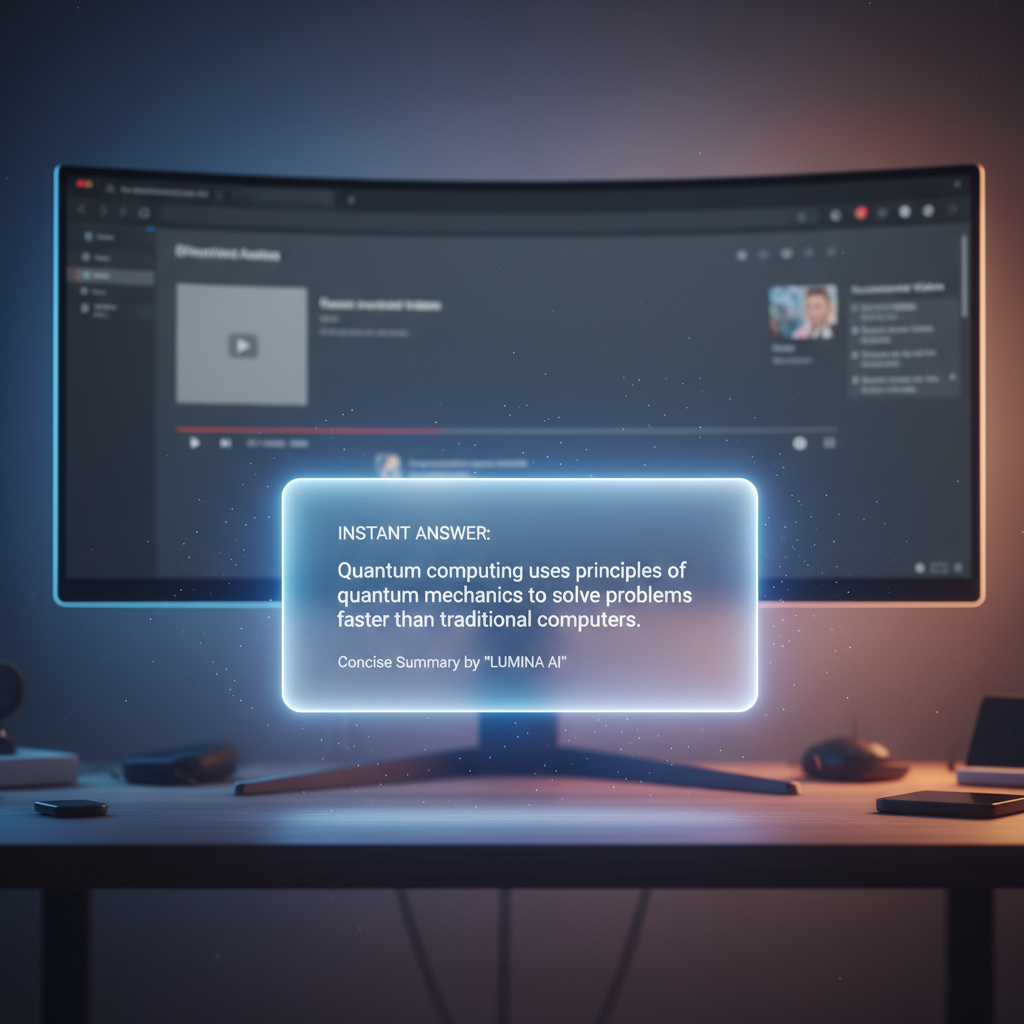
In our fast-paced digital world, how we seek out information is undergoing a quiet, yet profound, transformation. For years, platforms like YouTube reigned supreme as the go-to source for everything from DIY tutorials to in-depth explanations. However, a new breed of AI applications, most notably ChatGPT and Google Gemini, is rapidly changing the game, offering an alternative that many are finding incredibly compelling.
These powerful AI models aren’t just intelligent chatbots; they are sophisticated knowledge engines designed to provide direct, precise, and highly personalized answers. This fundamental difference is slowly but surely shifting user behavior away from the often time-consuming video format. The shift highlights a growing preference for efficiency and immediate gratification when it comes to learning and problem-solving.
The Quest for Instant Answers
Think about the last time you needed to troubleshoot a computer issue, understand a complex concept, or learn a new skill. Traditionally, you might have headed to YouTube, searching for a video that explains it step-by-step. While immensely valuable, this process often involves watching several minutes of introduction, advertising, or irrelevant content before getting to the core information you actually need.
This is where AI apps like ChatGPT and Google Gemini excel. Instead of sifting through a video, you can simply type your question or request directly into the AI. Within seconds, you receive a concise, text-based answer, often perfectly tailored to your query, cutting out all the extraneous noise. This immediacy is a powerful draw for users who prioritize efficiency above all else.
- Direct Information: AI provides immediate, synthesized answers without the need to watch an entire video.
- Time-Saving: Users avoid pre-roll ads, irrelevant intros, and slow pacing often found in video content.
- Personalized Responses: AI can rephrase answers, explain concepts at different levels of detail, or generate examples based on user follow-up questions.
- Accessibility: Text-based answers can be easily scanned, saved, or copied, offering greater flexibility than video.
Personalized Learning and Summarized Insights
Beyond just quick answers, AI offers an unparalleled level of personalization in the learning experience. Imagine needing to understand a complex historical event; instead of watching a 30-minute documentary, you can ask ChatGPT for a brief overview, then follow up with specific questions about key figures or timelines. The AI responds dynamically, adapting its explanation to your exact needs and pace of learning.
Furthermore, these AI models are incredibly adept at summarizing vast amounts of information. If you’re faced with a lengthy article, a research paper, or even the transcript of a long lecture, AI can distill the core points into digestible summaries. This capability is a game-changer for students, professionals, and anyone needing to absorb information quickly without sacrificing understanding.
The ability to interactively explore topics, ask clarifying questions, and receive content that’s explicitly tailored to your current understanding makes AI an incredibly potent educational tool. It transforms passive consumption into an active, guided learning journey. This interactive and adaptive nature is a significant advantage over the one-size-fits-all approach of most video content.
The Evolving Landscape for Content Creators
So, does this mean the end of YouTube? Not necessarily, but its role and the landscape for content creators are certainly evolving. YouTube will likely remain a powerhouse for entertainment, immersive experiences, community building, and visual-first content such as vlogs, music videos, and cinematic productions where the visual element is paramount to the experience. For tutorials and educational content, however, creators may need to adapt.
Many content creators are already beginning to leverage AI in their own workflows, using it for scriptwriting, idea generation, or even transcribing and summarizing their own videos. The key will be to identify where video still offers a superior experience—perhaps for showing intricate physical processes or creating an emotional connection—and where AI provides a more efficient delivery of pure information. This means focusing on unique angles and community engagement will become even more crucial.
The Future of Information Retrieval
The rise of AI apps like ChatGPT and Google Gemini is a clear indicator of a broader shift towards more efficient, personalized, and direct information retrieval. While YouTube will undoubtedly continue to thrive in certain niches, especially entertainment and highly visual content, AI is carving out a significant space for itself in the realm of instant knowledge and tailored learning.
This evolving digital landscape empowers users with unprecedented control over how they access and consume information. It’s not about one platform completely replacing another, but rather a diversification of tools, each excelling in different aspects of our information-hungry lives. As AI continues to advance, we can expect even more sophisticated ways to engage with and understand the world around us, making knowledge more accessible than ever before.
Source: Google News – AI Search
