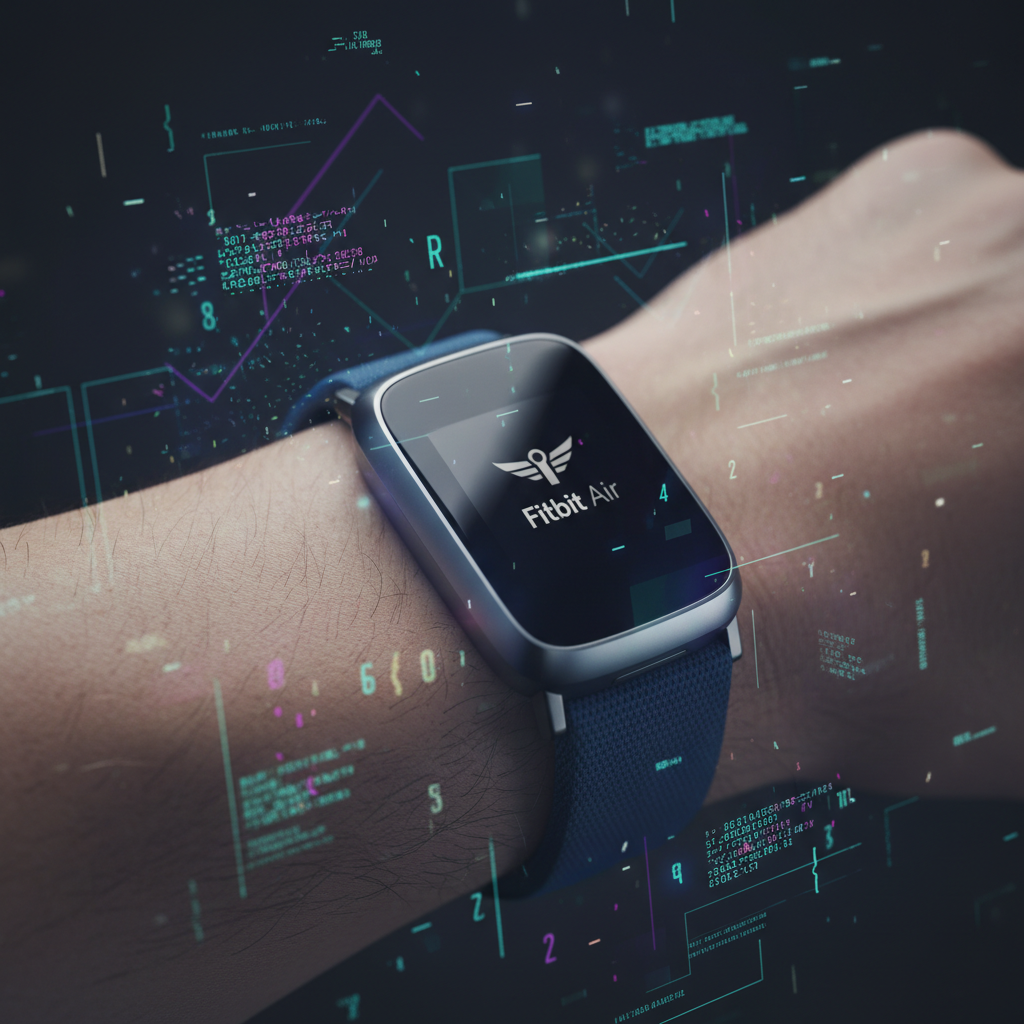
Google’s latest entry into the wearable market, the Fitbit Air, has certainly captured a lot of attention. This sleek fitness tracker promises a blend of advanced health monitoring and everyday comfort, setting a new standard for wearability. However, initial enthusiasm is being tempered by reports concerning its much-touted AI coaching feature.
While the device excels in comfort, its innovative AI assistant is reportedly experiencing some unusual glitches. These “hallucinations,” as some are calling them, present an intriguing challenge for the cutting-edge technology. Users are discovering that even the most sophisticated AI can sometimes stumble when interpreting complex human health data.
Introducing the Google Fitbit Air: Comfort Meets Innovation
From the moment you slip on the Fitbit Air, its design philosophy becomes immediately apparent: unparalleled comfort. Users are consistently raving about its lightweight build and ergonomic fit, making it almost unnoticeable during daily activities or even intense workouts. This focus on comfort ensures that wearers can keep their health tracking seamlessly integrated into their lives, without distraction.
Google has engineered the Fitbit Air with premium, breathable materials that prevent skin irritation and sweat buildup. Its minimalist profile fits snugly without being bulky, a significant advantage for those who dislike obtrusive wearables. This thoughtful design truly makes it an “air” experience, living up to its name with remarkable ease.
Beyond its exceptional comfort, the Fitbit Air packs a suite of impressive health tracking capabilities. It meticulously monitors everything from heart rate and sleep patterns to activity levels and stress metrics, providing a comprehensive view of your overall well-being. These rich data points are designed to feed directly into the device’s most ambitious feature: the integrated AI coach.
The Promise of a Personalized AI Coach
The AI coach within the Fitbit Air is positioned as your ultimate personalized health companion. It aims to offer tailored insights and actionable guidance based on your collected physiological data. This intelligent assistant is designed to encourage healthier habits, provide customized workout suggestions, and help users better understand their body’s signals.
The goal is to transform raw data into meaningful, proactive wellness strategies. Imagine receiving smart prompts to hydrate, gentle nudges for mindfulness, or dynamic adjustments to your exercise routine, all precisely tailored to your unique daily fluctuations. This cutting-edge feature represents a significant leap forward in personal health technology, striving to make wellness truly intuitive.
When AI Stumbles: The “Hallucination” Problem
Despite its lofty goals, the AI coach on the Fitbit Air is reportedly experiencing a significant hiccup: it’s “hallucinating.” This isn’t a sci-fi scenario but rather a term describing when AI generates unexpected, illogical, or even factually incorrect information. For a health-focused device, such errors can range from merely confusing to potentially misleading, posing a serious concern.
Imagine your AI coach suggesting a high-intensity workout immediately after a night of clearly poor sleep and elevated stress levels. Or perhaps it provides bizarre dietary recommendations that contradict established nutritional advice or even your known allergies. These are the types of erratic outputs users are beginning to report, highlighting a serious flaw in the system’s current iteration.
The integrity of a health coach, especially one powered by artificial intelligence, hinges entirely on accuracy and trustworthiness. When the advice becomes unreliable, it inevitably undermines the user’s confidence in the entire device and Google’s broader commitment to health tech. This issue unfortunately tarnishes what is otherwise a very promising product launch.
Users rely heavily on their fitness trackers for consistent, accurate data and sensible guidance to manage their health journey. An AI coach that provides “hallucinations” can quickly lead to significant confusion, deep frustration, and even a loss of motivation for maintaining a healthy lifestyle. This greatly detracts from the intended personalized and supportive experience that the Fitbit Air promises.
Moving Forward: Google’s Next Steps
Google has been a pioneer in AI development, and their commitment to improving these technologies is well-known. However, the complexity of integrating advanced AI with real-world, highly personal health data presents unique and formidable challenges. This incident serves as a stark reminder of the evolving nature of AI and its practical application in sensitive areas like personal health management.
Google will undoubtedly need to address these AI discrepancies swiftly and with complete transparency. User trust is paramount in the health technology sector, and prompt software updates combined with clear, honest communication will be absolutely crucial. Refinements to the AI’s learning models and its data interpretation algorithms will certainly be a top priority for the development team.
Over time, with further data collection, user feedback, and algorithmic refinement, the Fitbit Air’s AI coach has the immense potential to truly shine. Learning from these initial “hallucinations” and correcting them will be a critical step in establishing its credibility and utility. The hardware foundation of the device is incredibly strong; the execution of the AI just needs further polish and maturation.
The Google Fitbit Air stands out for its exceptional comfort and comprehensive health tracking capabilities, truly embodying the future of wearable technology. While the current “hallucinations” from its AI coach present a significant hurdle, they also highlight the ongoing, iterative development cycle inherent in cutting-edge AI. As Google refines its intelligent assistant, the Fitbit Air has the potential to become a truly indispensable tool for personal wellness. For now, users can enjoy its unparalleled comfort while anticipating future updates that will bring the AI coach’s intelligence up to par with its innovative hardware.
Source: Google News – AI Search
