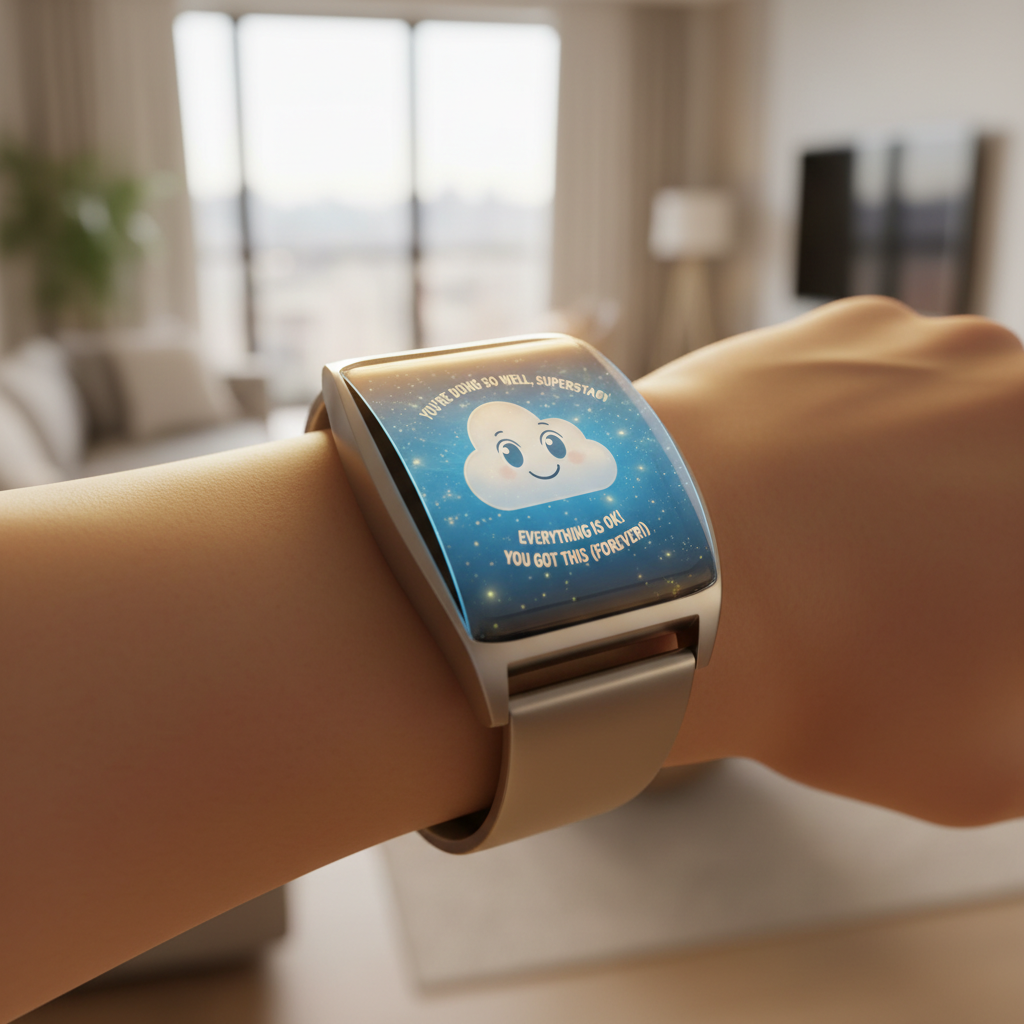
The world of wearable technology is constantly evolving, and a recent buzz surrounds the Fitbit Air, a device lauded for its impressive hardware and suite of health tracking features. Tech enthusiasts and fitness buffs alike have been keen to explore how this latest iteration from Fitbit, now under Google’s umbrella, elevates the personal health experience. While the device itself receives high marks, a critical discussion has emerged regarding the efficacy of Google’s integrated AI as a personal health coach.
According to a detailed review by Ars Technica, the Fitbit Air stands out as a formidable fitness tracker, boasting enhanced accuracy, a sleek design, and a comprehensive array of sensors. Users can expect precise monitoring of steps, heart rate, sleep patterns, and even more advanced metrics, making it a powerful tool for understanding one’s physical activity and overall well-being. Its robust build quality and intuitive interface solidify its position as a top-tier wearable.
The Fitbit Air: A Hardware Triumph
The engineering behind the Fitbit Air truly shines, demonstrating Fitbit’s continued commitment to delivering reliable and stylish fitness hardware. Its improved battery life and brighter display enhance the user experience, allowing for seamless tracking throughout the day and night. From detailed sleep stage analysis to continuous heart rate monitoring, the device provides a wealth of data points that empower users to take control of their health journey.
Beyond the core tracking, the Fitbit Air likely integrates seamlessly with existing Fitbit ecosystems, offering a user-friendly app interface that visualizes progress and trends. This strong foundation of hardware excellence sets the stage for what many hope would be equally powerful software and AI guidance. The device’s ability to capture such rich physiological data is undoubtedly a major asset for anyone serious about their health metrics.
Google’s AI Coach: A Gentle Giant?
With Google’s acquisition of Fitbit, the expectation for advanced AI-driven coaching features has been high, aiming to translate raw data into actionable insights. The integration of Google’s powerful artificial intelligence into the Fitbit platform is designed to provide personalized recommendations, set achievable goals, and motivate users towards healthier habits. However, this is where the Ars Technica review highlights a significant divergence in expectations versus reality.
The critique suggests that Google’s AI, while undoubtedly sophisticated, errs on the side of being “too nice” to be an effective health coach. Rather than offering firm guidance or challenging users to push their limits, the AI tends to deliver overly positive and encouraging messages, which can sometimes lack the necessary directness for real behavioral change. This gentle approach might foster comfort but may not sufficiently drive accountability or inspire the difficult changes often required for health improvement.
Why “Too Nice” Isn’t Always Effective Coaching
When it comes to personal health and fitness, an effective coach often needs to provide more than just encouragement; they must also deliver honest, sometimes tough, feedback. The Ars Technica article argues that Google’s AI often shies away from this critical aspect, preferring a supportive tone over a directive one. This can lead to a user feeling good about their efforts without necessarily making significant strides in areas where improvement is genuinely needed.
Consider the difference between a friend and a coach: a friend offers unwavering support, while a coach offers guidance, correction, and pushes you past your comfort zone. If the AI acts more like a friend, celebrating every small victory without addressing stagnation or missed targets, its utility as a true “coach” diminishes. For many users, particularly those struggling with consistency, a more assertive and data-driven prompt could be crucial for breaking plateaus.
- Lack of Direct Challenge: The AI may not push users hard enough to overcome inertia or challenge existing habits.
- Overly Positive Reinforcement: While encouraging, constant praise without specific, actionable critiques can hinder genuine progress.
- Missing Accountability: An effective coach identifies when goals are missed and helps strategize for future success, a dimension the current AI appears to underemphasize.
- Difficulty in Correcting Course: Without direct feedback on suboptimal choices, users might continue patterns that aren’t leading to their desired health outcomes.
The Future of AI-Powered Health Coaching
While the Fitbit Air’s hardware prowess is undeniable, the nuanced role of AI coaching remains a significant area for development. Google has an immense opportunity to refine its AI to strike a better balance between encouragement and accountability, transforming it into a more robust and effective health partner. Imagine an AI that not only praises progress but also gently, yet firmly, points out areas needing improvement, backed by personalized data.
Moving forward, the ideal AI coach should leverage its computational power to analyze patterns, predict potential roadblocks, and offer timely, specific, and sometimes challenging advice that is still delivered with empathy. This evolution would allow Google’s AI to move beyond a friendly cheerleader role towards becoming a truly transformative force in personal health management. The potential for a truly intelligent and impactful digital health coach is still vast, and with iterative improvements, Google could certainly get there.
Source: Google News – AI Search
