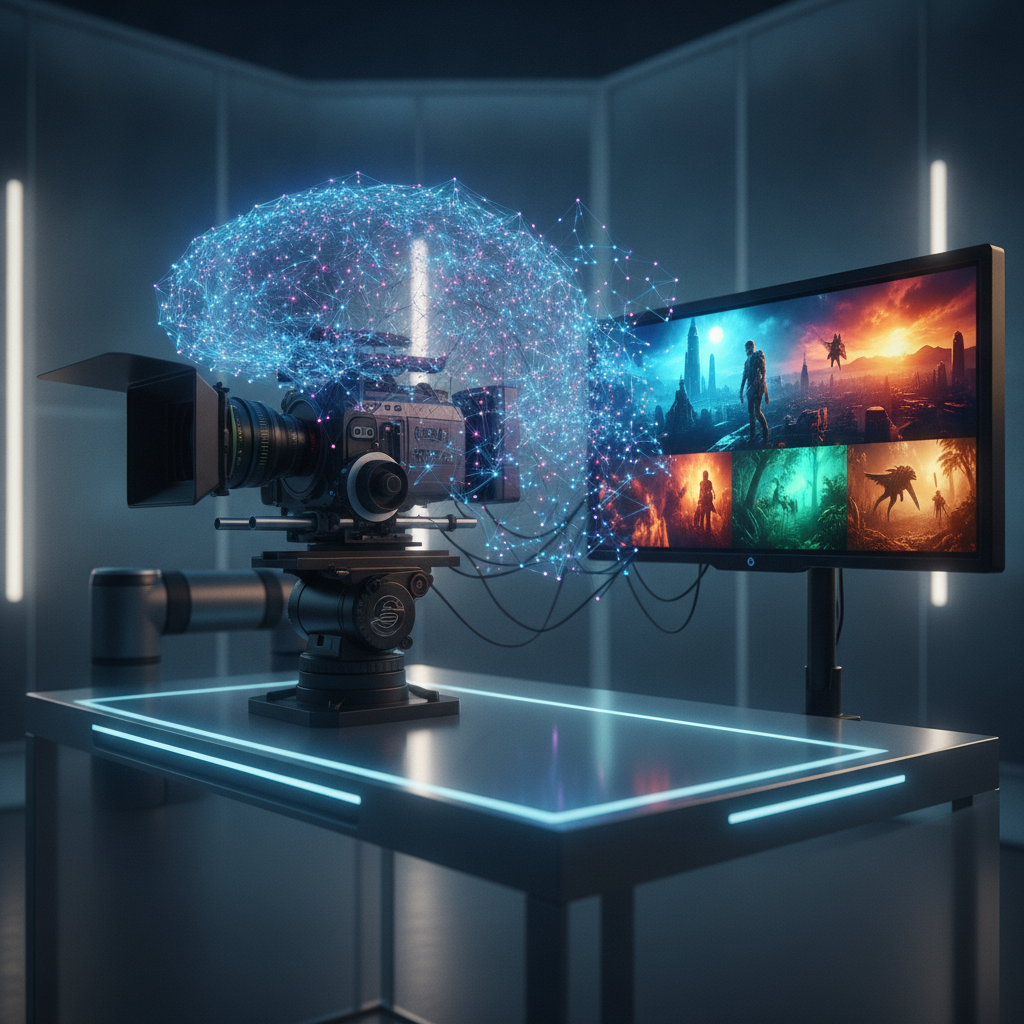
The intersection of technology and art is continually evolving, and a recent development promises to accelerate this trend in the film industry. Tech giant Google has made a substantial $75 million investment in independent film studio A24. This significant partnership aims to pioneer the development of advanced AI-powered filmmaking tools, setting the stage for a new era of creative production.
This collaboration isn’t just a financial transaction; it represents a bold step towards integrating cutting-edge artificial intelligence into the very fabric of cinematic creation. It suggests a future where AI acts as a powerful co-pilot, enhancing the artistic vision of filmmakers rather than replacing it. Both companies are poised to explore uncharted territories in storytelling and visual execution.
A Groundbreaking Partnership: Google and A24 Unite
Why A24, a studio renowned for its critically acclaimed, often unconventional, and deeply human stories? Known for hits like Everything Everywhere All at Once, Moonlight, and Hereditary, A24 has consistently pushed the boundaries of independent cinema. Their reputation for artistic integrity and innovative storytelling makes them an ideal partner for exploring how AI can augment creativity.
For Google, this investment signifies a strategic move to extend its formidable AI capabilities into the vibrant creative sector. By collaborating with a studio celebrated for its narrative prowess, Google aims to develop AI applications that genuinely serve artistic endeavors. This partnership allows Google to validate and refine its AI technologies in a high-stakes, creatively driven environment, furthering its mission to make information universally accessible and useful.
Revolutionizing Creative Storytelling with AI
The $75 million investment will fuel the creation of a diverse suite of AI tools designed to streamline various stages of the filmmaking process. Imagine intelligent systems assisting with everything from script development and pre-visualization to complex visual effects and post-production workflows. These innovations could dramatically reduce production times and costs, making ambitious projects more feasible for creators.
The AI tools developed through this partnership are expected to touch upon a broad spectrum of production aspects. Imagine intelligent systems that can conduct sophisticated script analysis, identifying narrative patterns, character arcs, and even suggesting dialogue enhancements. These capabilities could empower writers and directors with deeper insights into their stories from the very earliest stages of development, fostering more nuanced and compelling narratives.
Furthermore, the investment will likely accelerate advancements in pre-visualization and virtual production, allowing filmmakers to rapidly construct digital sets, model characters, and block scenes in a fraction of the time. This iterative approach could drastically reduce the time and cost associated with physical production, fostering greater creative experimentation without financial risk. In post-production, AI could streamline complex visual effects (VFX), assist with precise editing choices, and optimize color grading, pushing the boundaries of what’s visually achievable.
What Does This Mean for the Future of Film?
This collaboration could usher in an era of unprecedented creative freedom and efficiency for filmmakers worldwide. Directors and artists might find themselves unburdened by repetitive technical tasks, allowing them to focus more intently on their core artistic vision and storytelling. The democratization of advanced production tools could also empower a new generation of independent creators, leveling the playing field in an often capital-intensive industry.
Naturally, such technological advancements also raise important conversations within the creative community. Concerns about potential job displacement or the dilution of artistic authenticity are valid and will need careful consideration as these tools evolve. The key will be to harness AI as an augmentation, ensuring human creativity remains at the forefront and that AI serves as a powerful assistant, not a replacement.
Beyond the Camera: The Broader Impact of AI in Entertainment
The implications of this Google-A24 partnership extend far beyond feature films. The development of these cutting-edge AI tools could profoundly influence other forms of media, including television production, video game development, and even interactive storytelling experiences. This investment firmly positions Google at the forefront of a paradigm shift in how digital content is conceived and produced across the entertainment landscape.
As AI continues to mature, its integration into creative industries like film is inevitable. This strategic alliance between a tech titan and a visionary film studio highlights a future where artificial intelligence and human artistry work hand-in-hand. The stage is set for innovations that could redefine visual storytelling as we know it, making the filmmaking process more imaginative and accessible than ever before.
Source: Google News – AI Search
