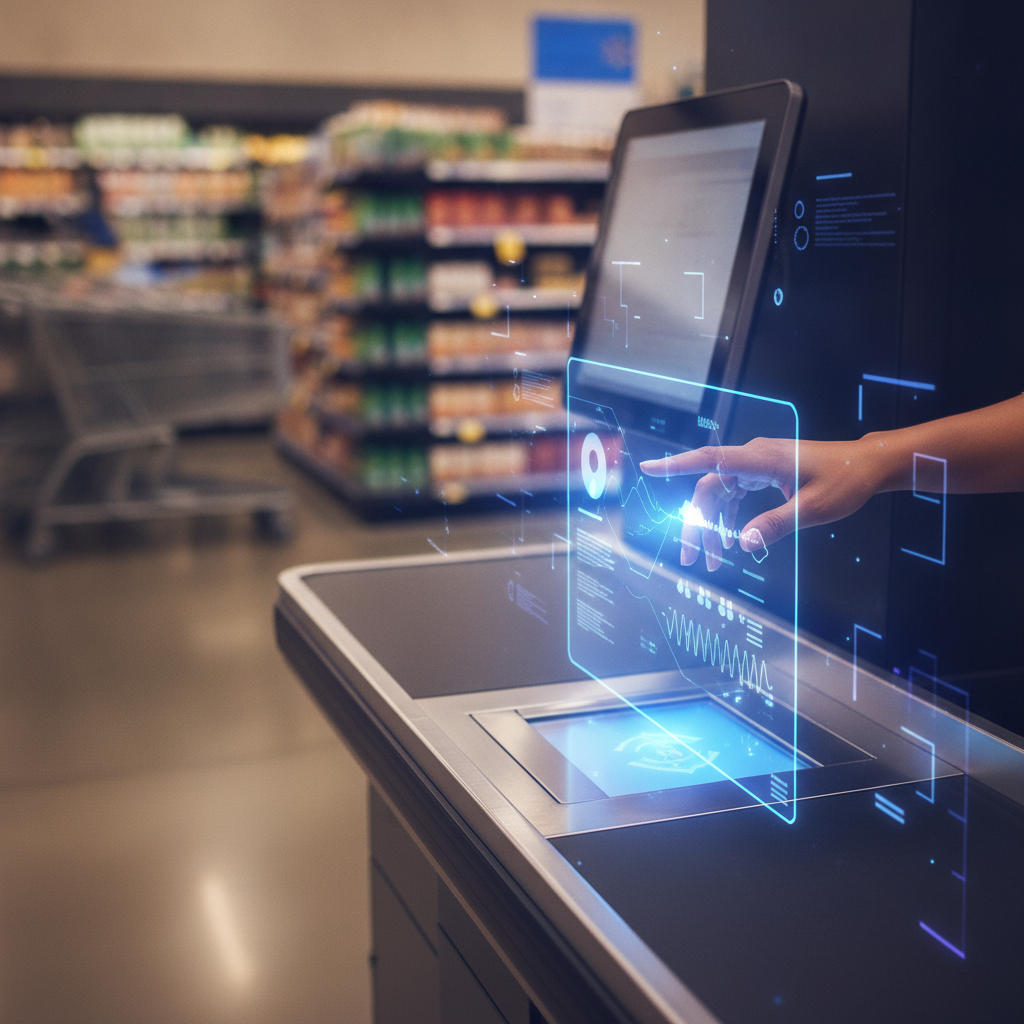
The retail landscape is constantly evolving, driven by innovation and the relentless pursuit of efficiency. A major tremor in this evolution comes from the powerful collaboration between tech giant Google’s AI capabilities and retail behemoth Walmart’s vast checkout operations. This isn’t just a minor upgrade; it’s a strategic move poised to redefine customer experience, streamline store processes, and potentially reshape the investment landscape for savvy stock pickers.
Imagine a checkout experience that’s not only faster but also more personalized and seamless. That’s the promise of Google AI integrating with Walmart, aiming to revolutionize everything from inventory management to predictive analytics and, most prominently, the customer’s final interaction at the register. Understanding the ripple effects of such a significant partnership is key to identifying which companies stand to gain the most.
The Dawn of AI-Powered Retail
Walmart’s decision to leverage Google’s artificial intelligence for its checkout systems marks a pivotal moment for the retail industry. This collaboration extends beyond simple automation; it promises to infuse intelligence into every step of the transaction process. From optimizing staffing based on real-time traffic to detecting fraud more effectively and even personalizing offers as customers check out, the potential applications are vast.
For Walmart, this means a significant leap in operational efficiency and a stronger competitive edge in an increasingly digital world. Enhanced AI could lead to reduced wait times, fewer errors, and a more satisfying shopping journey, ultimately driving customer loyalty and boosting sales figures. This technological integration underscores a broader trend: AI is no longer a futuristic concept but a vital tool for immediate business advantage in retail.
Direct Beneficiaries: Walmart and Alphabet
When Google AI powers Walmart’s checkout, two companies immediately come to mind as primary beneficiaries. Firstly, Walmart (WMT) itself is set to reap substantial rewards. Improved operational efficiency, reduced labor costs through automation of mundane tasks, and a superior customer experience all translate directly to the bottom line.
This strategic investment in advanced AI technology will solidify Walmart’s position as a forward-thinking retailer, capable of competing head-on with e-commerce giants. A smoother checkout process can significantly impact conversion rates and repeat business, offering a powerful competitive advantage in the fiercely contested retail space. Investors should watch for increased profitability and market share as these AI initiatives mature.
Secondly, Alphabet (GOOGL, GOOG), Google’s parent company, stands to gain immensely from this high-profile partnership. This collaboration reinforces Google Cloud’s position as a leading enterprise AI provider and showcases the practical, scalable applications of its artificial intelligence services. Securing a deal with a retail giant like Walmart validates Google’s AI capabilities and opens doors for similar partnerships across other industries.
For Alphabet, this means increased revenue from its cloud services division, which is a key growth engine for the company. Furthermore, the data generated from Walmart’s vast network will provide invaluable insights for refining Google’s AI models, creating a virtuous cycle of improvement and innovation. This partnership enhances Google’s reputation as an indispensable technology partner for businesses undergoing digital transformation.
Beyond the Obvious: Indirect Winners in the AI Ecosystem
While Walmart and Alphabet are direct beneficiaries, the deployment of advanced AI on such a massive scale creates a ripple effect throughout the broader tech ecosystem. Several other companies are poised to benefit from the increased demand for underlying infrastructure and specialized services:
- Semiconductor Companies: Powering sophisticated AI models requires immense computational power. Companies like NVIDIA (NVDA), known for their GPUs optimized for AI and machine learning, or even Intel (INTC) and AMD (AMD) with their specialized processors, could see increased demand from data centers supporting such operations.
- Cloud Infrastructure Providers: Although Google is the primary AI provider, the sheer scale of data processing and storage required might indirectly benefit other cloud-related infrastructure providers or data center operators. This ongoing expansion of cloud adoption creates opportunities across the board.
- Data Management and Analytics Firms: Implementing AI solutions generates colossal amounts of data. Companies specializing in secure data management, analytics, and business intelligence tools will be crucial for Walmart to interpret and act upon these insights.
- Cybersecurity Solutions: As more sensitive transaction data is processed through AI systems, the need for robust cybersecurity measures intensifies. Companies offering advanced threat detection, data encryption, and identity management solutions will become even more critical partners.
- Payment Processing Technologies: If AI streamlines and enhances the payment flow, companies involved in digital payment processing, point-of-sale (POS) systems, and secure transaction infrastructure could experience increased volumes or adoption of their integrated solutions.
The Broader Investment Landscape
The collaboration between Google AI and Walmart isn’t just about two companies; it’s indicative of a larger trend reshaping modern commerce. AI is becoming an indispensable tool for retailers looking to optimize operations, understand customer behavior, and deliver personalized experiences. This paradigm shift creates a compelling investment thesis for companies at the forefront of AI innovation and its practical application.
Investors looking for long-term growth opportunities should keep a close eye on firms that provide the foundational technologies and services enabling this AI revolution. From chip manufacturers to cloud infrastructure specialists and cybersecurity experts, the ecosystem supporting AI’s integration into everyday retail offers a diverse range of potential winners. The future of retail is intelligent, and the stocks powering that intelligence are worth watching closely.
Source: Google News – AI Search
