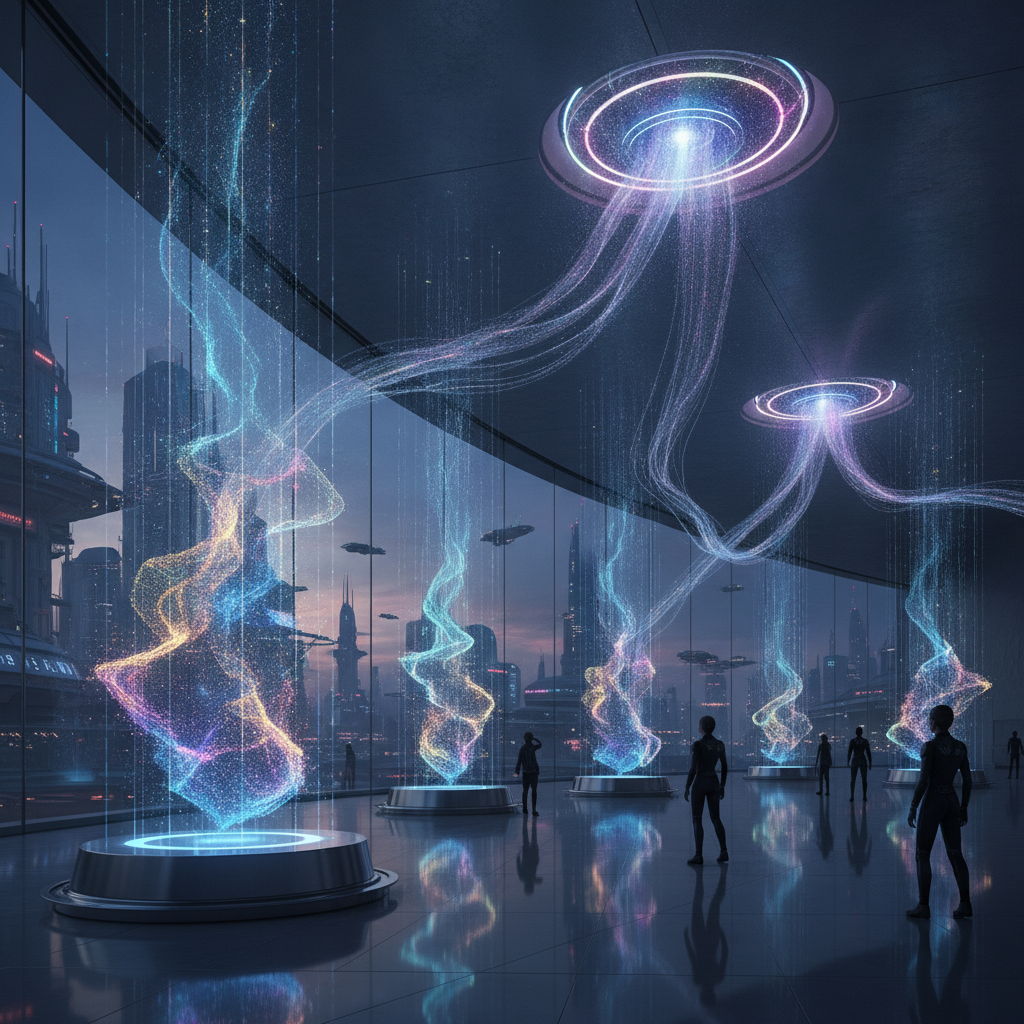
Imagine a place where art isn’t just displayed, but actively created, transformed, and even learned from by an intelligence beyond human hand. Welcome to the world’s first AI arts museum, a groundbreaking institution that redefines the boundaries of creativity and human perception. This pioneering space, where cutting-edge artificial intelligence merges seamlessly with artistic vision, is powered by the robust infrastructure and advanced capabilities of Google.
This unique museum invites visitors on an immersive journey into the heart of AI creativity, showcasing exhibits that evolve, react, and generate new works in real-time. It’s a testament to how technology can foster unprecedented forms of artistic expression, pushing the traditional limits of galleries and exhibitions. Every visit offers a fresh perspective, as the art itself is often dynamic and responsive to its environment and audience.
The Dawn of AI-Generated Artistry
The concept of art being created by machines might have once belonged solely to science fiction, but it is now a vibrant and tangible reality. This groundbreaking museum serves as a living laboratory, demonstrating how algorithms can do more than just replicate; they can innovate, producing unique and thought-provoking visual and auditory experiences. It challenges our understanding of authorship and intelligence, inviting contemplation on technology’s evolving role in human expression.
More than just a passive viewing experience, the AI arts museum acts as an interactive experiment, constantly pushing the limits of what art can be. It engages visitors directly, allowing them to witness art not as a static artifact, but as a living, breathing entity that changes and adapts. This dynamic approach makes art more accessible and engaging than ever before, fostering a deeper connection with the digital canvas.
Google Cloud: The Intelligent Backbone
Bringing such an ambitious and futuristic vision to life demanded a technological foundation that was not only robust and scalable but also incredibly intelligent. This is precisely where Google Cloud steps in, providing the indispensable infrastructure and advanced AI capabilities that fuel the museum’s dynamic and ever-evolving exhibits. Its powerful platform ensures seamless operation, even with the most complex, real-time generative processes.
At the core of the museum’s fascinating operations are Google’s cutting-edge machine learning services and sophisticated generative AI models. These algorithms act as the artistic engines, capable of analyzing vast datasets of art history, interpreting subtle stylistic nuances, and then creating entirely new visual and auditory experiences. This intricate dance between data and creation is a powerful testament to the capabilities of cloud-native AI.
Specifically, tools like Vertex AI empower the museum’s curators and resident artists to fine-tune AI models with remarkable precision, experimenting with diverse artistic parameters and styles. This approach democratizes AI art creation, making it accessible to a broader range of creators who can now harness these powerful tools to express unprecedented ideas. The inherent scalability of Google Cloud ensures the museum can continuously expand and evolve its exhibits without worrying about underlying infrastructure limitations.
Redefining Interaction and Engagement
Beyond merely displaying art, the museum leverages Google’s technology to craft deeply interactive and personalized visitor experiences. Imagine stepping into an exhibit where the art subtly changes based on your movement or emotional response, creating a truly unique and personal dialogue. Another exhibit might curate a sequence of artworks just for you, adapting to your aesthetic preferences and interests.
This level of dynamic interaction is made possible through real-time data processing and advanced analytics, all powered by Google Cloud. Visitor preferences, engagement patterns, and even real-time environmental data can all influence the art’s creation and presentation, ensuring that no two visits are ever exactly alike. It transforms passive viewing into active participation, making every moment an active contribution to the artistic experience.
For artists, this partnership with Google Cloud opens up exciting new frontiers for artistic exploration. They can collaborate with AI, utilizing it as a powerful co-creator to extend their creative reach, test conceptual boundaries, and explore aesthetics that would be impossible to achieve with traditional mediums alone. It fosters a truly symbiotic relationship, where human ingenuity meets artificial intelligence to produce something entirely new.
The Future of Art and Technology
The world’s first AI arts museum, brilliantly powered by Google, stands as a beacon for the future intersection of art and technology. It’s not just about showcasing what artificial intelligence can achieve today; it’s about inspiring what art can fundamentally become tomorrow. This groundbreaking initiative actively encourages dialogue, sparks profound curiosity, and pushes the boundaries of human-machine collaboration in creative fields.
As artificial intelligence continues its rapid advancement, the potential for even more sophisticated, emotionally resonant, and thought-provoking AI-generated art will undoubtedly expand. Google’s ongoing commitment to innovation ensures that this museum will remain at the forefront, continually evolving its exhibits and offering new, mind-bending experiences that captivate and challenge its audience. It promises an exciting and unpredictable journey into the unknown depths of creativity.
This profound collaboration exemplifies how cutting-edge technology, when thoughtfully and creatively applied, can profoundly enrich human culture and open up entirely new avenues for expression and understanding. The AI arts museum is far more than just a fascinating novelty; it is a profound statement on the enduring power of human creativity in the digital age, magnificently shaped and amplified by intelligent systems.
Source: Google News – AI Search
