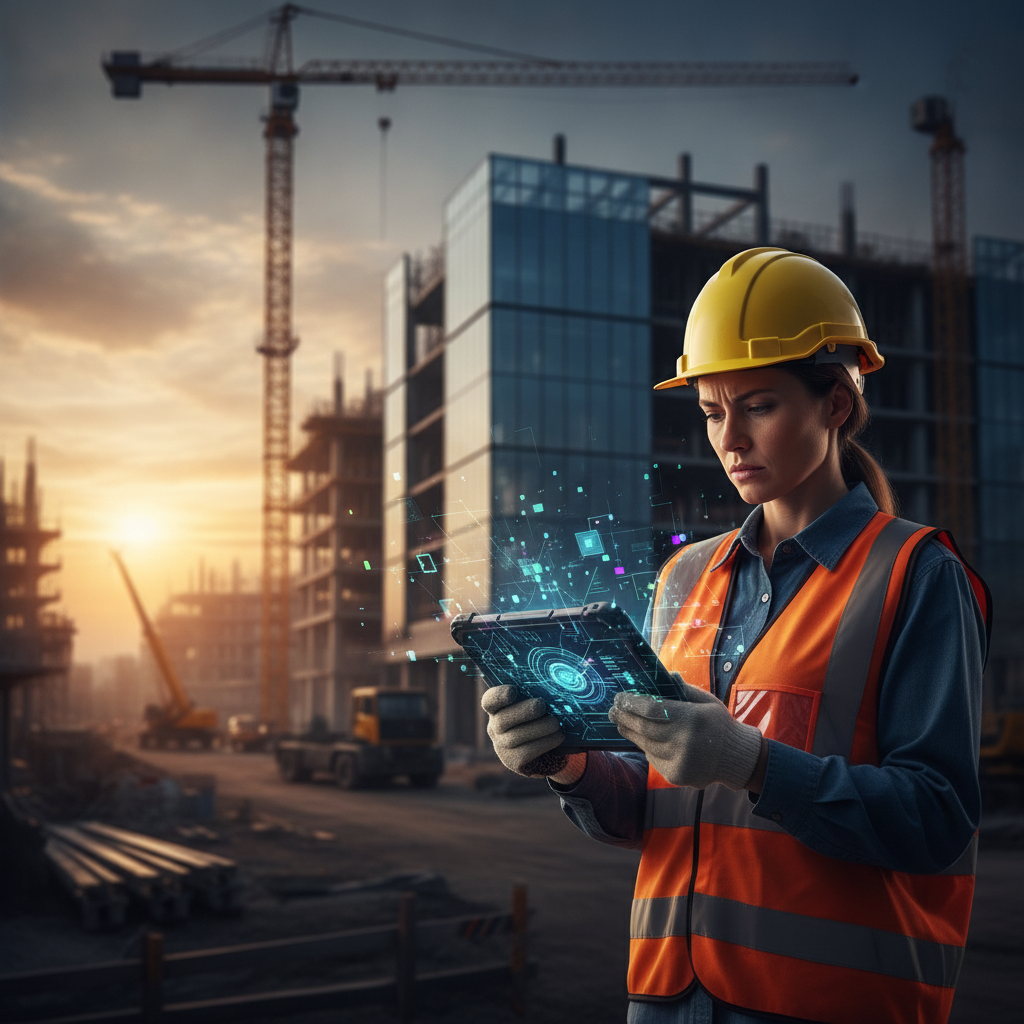
When you hear “Google” and “AI investment,” your mind likely jumps to sophisticated algorithms, cloud computing, or groundbreaking consumer applications. Yet, the tech giant’s latest significant move takes a surprising turn, focusing its considerable AI expertise and resources directly into the hands of construction workers.
This isn’t about simply funding software startups; it’s a strategic embrace of blue-collar labor and the physical infrastructure that underpins our digital world. Google’s investment signals a profound shift, acknowledging that true innovation often lies at the intersection of cutting-edge technology and foundational industries.
It’s a testament to the belief that artificial intelligence can profoundly enhance traditional sectors, making them safer, more efficient, and more sustainable. This unexpected pivot invites us to reconsider the future of work and the invaluable role of human skill, now augmented by intelligent tools.
Beyond the Screen: Google’s Surprising Construction Play
Google’s reliance on massive infrastructure, particularly its sprawling data centers and global offices, makes construction a critical, continuous operational challenge. Building and maintaining these colossal facilities involves complex logistics, vast resources, and immense human effort on a global scale. Therefore, improving the efficiency and safety of these projects directly impacts Google’s bottom line and its ability to deliver services.
The construction industry, while fundamental, has historically lagged in adopting advanced technological solutions compared to other sectors. This presents a unique opportunity for Google to leverage its AI prowess to redefine construction practices, moving beyond traditional methods. Their investment isn’t just about digitizing blueprints; it’s about embedding intelligence into every phase of a construction project.
This strategic move is less about replacing skilled labor with robots and more about empowering the existing workforce with innovative AI tools. Google envisions a future where construction workers are equipped with data-driven insights, predictive capabilities, and smart assistance, making their jobs both easier and more impactful. It’s about bringing the precision and foresight of the digital world to the very tangible process of building.
The Driving Force: Why Construction Matters to Tech Giants
One primary motivator for Google’s deep dive into construction AI is the sheer scale of its own infrastructure needs. Developing new data centers involves multi-billion dollar projects that are incredibly complex and time-consuming. Any advancements that can streamline these processes, reduce costs, or accelerate timelines are immensely valuable.
AI’s ability to optimize project management is a game-changer for an industry notorious for delays and budget overruns. Algorithms can analyze vast datasets to predict potential bottlenecks, optimize resource allocation, and create more efficient schedules. This ensures projects stay on track, saving millions and accelerating Google’s expansion.
Furthermore, safety is a paramount concern in construction, which unfortunately remains one of the most hazardous industries globally. AI can play a pivotal role in enhancing worksite safety through predictive analytics, real-time hazard detection, and automated monitoring systems. This not only protects workers but also reduces costly accidents and liabilities.
Google’s commitment to sustainability also extends to its construction practices. AI can help optimize material usage, reduce waste, and identify greener building techniques, contributing to more environmentally friendly projects. This aligns perfectly with the company’s broader corporate responsibility goals and its push towards carbon neutrality.
AI as an Ally: Empowering the Workforce, Not Replacing It
Crucially, Google’s investment centers on augmenting human capabilities rather than outright automation that displaces jobs. The goal is to enhance the existing workforce, equipping them with next-generation tools that make their work safer, more precise, and ultimately more productive. This approach respects the invaluable skills and experience of blue-collar workers.
Here’s how AI can empower construction teams:
- Predictive Analytics: AI can analyze project data to identify potential risks, optimize timelines, and forecast material needs, preventing costly delays and waste.
- Robotics for Safety: Drones and robotic systems can handle dangerous tasks like inspections of high structures or repetitive heavy lifting, protecting human workers from harm.
- Augmented Reality (AR) & Virtual Reality (VR): These technologies can provide immersive training experiences and real-time on-site guidance, overlaying blueprints and instructions directly into a worker’s field of vision.
- Smart Monitoring: AI-powered sensors and cameras can monitor worksite conditions, detect safety violations, or even track equipment, providing invaluable real-time insights.
- Supply Chain Optimization: AI algorithms can streamline logistics, track materials from supplier to site, and manage inventory more efficiently, ensuring workers have what they need, when they need it.
By integrating these AI-powered tools, construction workers become “super-enabled,” gaining access to information and capabilities that were previously unimaginable. This elevates their roles, allowing them to focus on complex problem-solving and skilled craftsmanship, rather than tedious or hazardous tasks. It’s a vision where technology serves as a powerful partner in the physical world.
Shaping the Future of Work: A New Blueprint
Google’s significant investment in blue-collar construction workers signals a broader trend: the intelligent integration of AI into traditional, labor-intensive industries. This isn’t just about optimizing Google’s own projects; it’s about demonstrating a scalable model for digital transformation across the physical economy.
This initiative sets a powerful precedent, suggesting that the future of work involves a symbiotic relationship between human expertise and AI intelligence. It highlights how tech giants can contribute meaningfully to sectors beyond pure software, fostering job growth and upskilling opportunities in often-overlooked areas.
Ultimately, Google’s venture into construction AI is painting a new blueprint for how technology can uplift and empower the blue-collar workforce. It promises a future where physical labor is not only more efficient and sustainable but also significantly safer and more rewarding, paving the way for a truly integrated human-AI economy.
Source: Google News – AI Search
