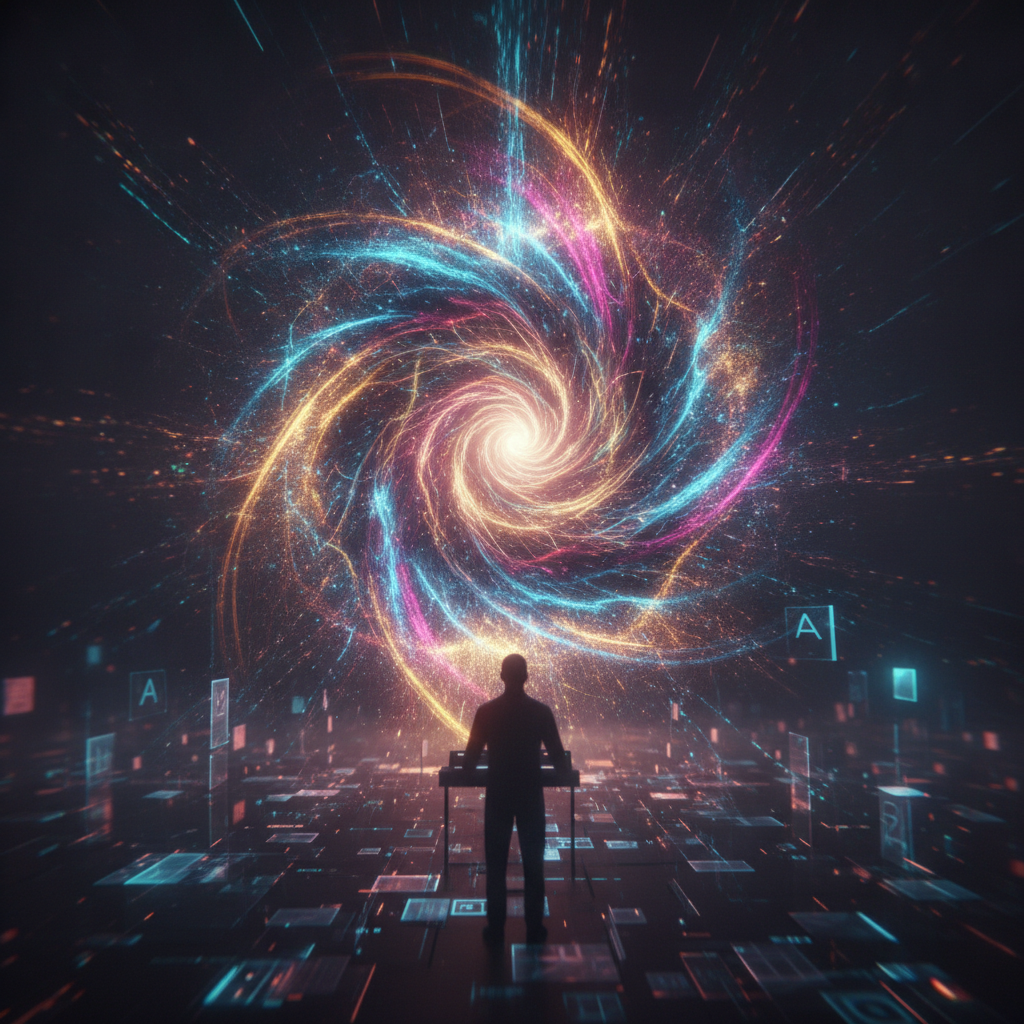
The intersection of artificial intelligence and human ingenuity is rapidly redefining the creative landscape. Google, a major player in AI innovation, is at the forefront of this shift, with leaders like Laura O’Connell articulating a vision where AI acts as a powerful co-pilot rather than a mere tool. Her insights, often highlighted in discussions such as those with the Los Angeles Times, illuminate the profound ways AI is introducing a “new language” into creative fields.
This isn’t just about automating tasks; it’s about fundamentally changing how ideas are conceived, developed, and brought to life. O’Connell emphasizes that this transformation isn’t about replacing human creativity but augmenting it, allowing artists, writers, designers, and musicians to explore new possibilities and push boundaries previously unimaginable. Understanding this evolving dynamic is key to unlocking the full potential of generative AI.
Mastering the New Language of AI
What exactly is this “new language” that Laura O’Connell speaks of? It refers to the evolving interaction paradigm between humans and AI, particularly in the realm of generative models. This involves more than just giving commands; it’s about learning to communicate with AI in a way that maximizes its creative output while retaining human intent and artistic vision.
Prompt engineering is a core component of this new linguistic skill set. It’s the art and science of crafting precise, descriptive, and insightful instructions to guide AI models toward desired creative outcomes. O’Connell points out that effective prompts are not just technical specifications; they are an extension of human imagination, translating abstract concepts into actionable directives for the AI.
- Specificity and Detail: Learning to provide AI with rich contextual information, mood, style, and desired aesthetics.
- Iterative Refinement: Understanding that the creative process with AI is often conversational, requiring continuous feedback and adjustments.
- Understanding AI’s Capabilities: Knowing what an AI model excels at and where its limitations lie, guiding the interaction more effectively.
- Ethical Considerations: Recognizing biases in data and responsibly guiding AI to produce diverse and inclusive content.
This dialogue between human and machine fosters a unique creative synergy. It encourages creators to think differently about their process, viewing AI as an intelligent assistant capable of rapid prototyping, exploring variations, and even suggesting novel directions based on the input it receives. Laura O’Connell highlights that this collaborative model empowers individuals to transcend technical barriers and focus more deeply on the conceptual aspects of their work.
AI as a Creative Partner, Not a Replacement
A central theme in O’Connell’s perspective is that AI is an enabler, not a threat, to human creativity. She envisions a future where AI tools are seamlessly integrated into creative workflows, amplifying human talent rather than diminishing it. For instance, a graphic designer might use AI to generate dozens of logo variations in minutes, allowing them to focus on selecting, refining, and imbuing the chosen design with unique human artistry.
Similarly, writers can leverage AI to brainstorm plot twists, generate character dialogues, or even overcome writer’s block by providing fresh perspectives. Musicians can experiment with new melodies or orchestrations, using AI to rapidly synthesize and combine musical elements. Google’s continued investment in accessible AI tools reflects this philosophy, aiming to democratize advanced creative capabilities for everyone, from professional artists to casual hobbyists.
This partnership model also extends to areas like personalized content creation and immersive experiences. AI can help tailor narratives, visuals, and sounds to individual preferences, opening up new avenues for engaging audiences on a deeper level. O’Connell believes that the true power lies in the human ability to curate, direct, and infuse the AI’s output with meaning and emotion—qualities inherently unique to human consciousness.
Navigating the Future of Creative Work
While the opportunities are vast, O’Connell also acknowledges the challenges and responsibilities that come with this new era. Questions around intellectual property, bias in AI-generated content, and the evolving definition of “authorship” are critical and require thoughtful consideration. Google, she suggests, is actively engaged in developing ethical guidelines and responsible AI practices to ensure these powerful tools are used for good.
The “new language of AI in creativity” isn’t static; it’s constantly evolving as models improve and human understanding deepens. Laura O’Connell’s insights encourage creators to embrace this evolution, to experiment fearlessly, and to continuously learn how to best communicate with their AI partners. This proactive approach will define the trailblazers of tomorrow’s creative industries.
Ultimately, the message is one of optimism and empowerment. By understanding and mastering this new language, creative professionals are not just adapting to change; they are actively shaping the future of artistic expression. Laura O’Connell’s vision from Google provides a clear roadmap for how humans and AI can collaborate to unlock unprecedented levels of creative potential, making art more accessible, diverse, and innovative than ever before.
Source: Google News – AI Search
