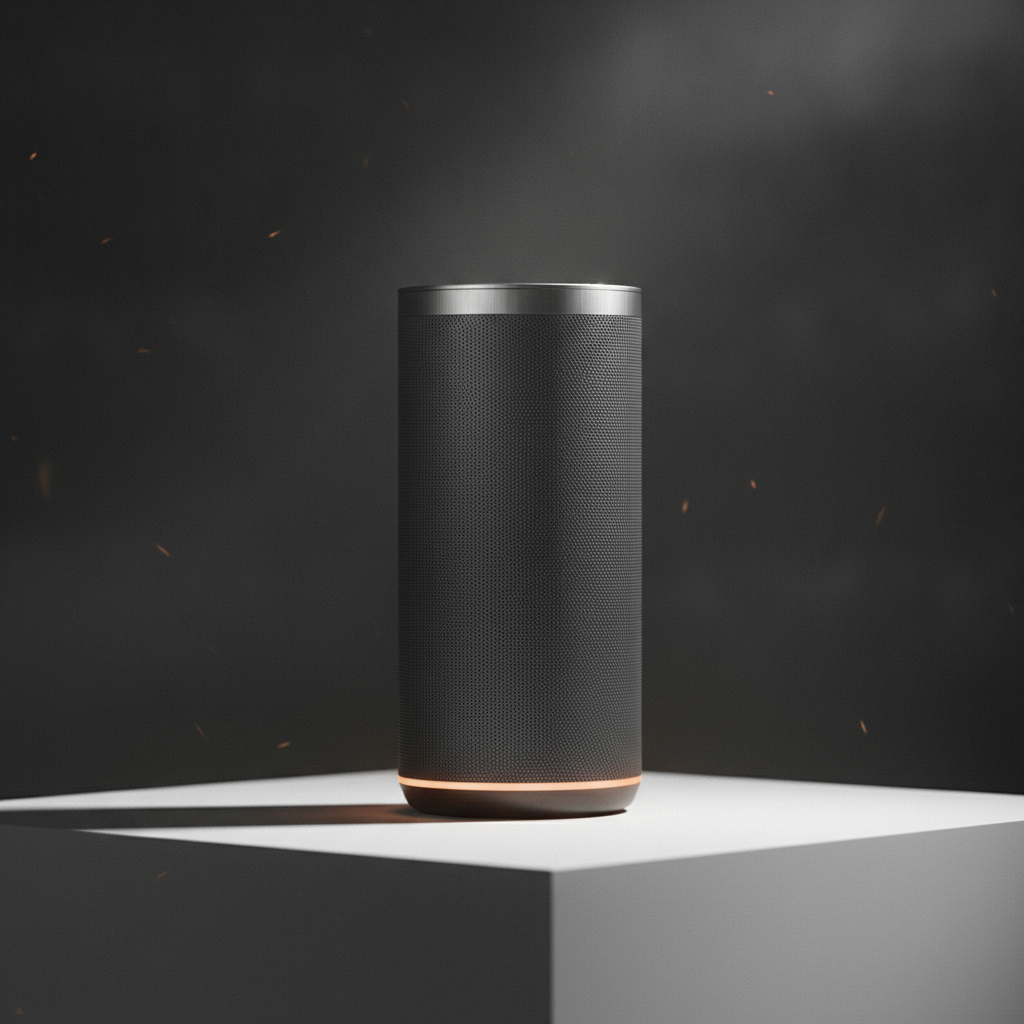
Google has always been a key player in the smart home arena, and their latest smart speaker hardware continues that tradition with impressive design and audio capabilities. However, the true brains of the operation, the new Gemini AI, appears to be lagging significantly behind, casting a shadow over what could otherwise be a stellar product. Users are finding a frustrating disconnect between the sophisticated hardware and an AI assistant that feels decidedly underdeveloped, especially when compared to the established reliability of the Google Assistant it aims to replace.
This situation presents a puzzling dilemma for tech enthusiasts and everyday consumers alike. While the physical device is a testament to Google’s engineering prowess, the core interactive experience powered by Gemini falls short of expectations, prompting many to wonder if Google rushed its next-generation AI into a crucial product too soon. The initial promise of a more powerful, intuitive AI is currently overshadowed by a noticeable regression in everyday smart home functionality.
The Brilliance of Google’s Latest Speaker Hardware
From a purely hardware perspective, Google’s new smart speaker is nothing short of a triumph. The design is sleek, modern, and fits seamlessly into any home aesthetic, reflecting a premium build quality that feels both robust and elegant. Audio performance is a standout feature, delivering rich, clear sound with impressive bass and crisp highs that elevate the listening experience for music, podcasts, and even voice responses.
This device truly showcases Google’s commitment to creating physically appealing and high-performing smart home devices. It’s a speaker designed to compete with the best in the market, providing an immersive soundstage whether you’re filling a room with your favorite tunes or simply asking for the weather. The hardware alone is a compelling reason to consider this speaker, promising a top-tier audio experience that users have come to expect from leading brands.
Gemini’s Early Growing Pains: A Step Backward?
The stark contrast between the hardware’s excellence and Gemini’s current state is where the user experience begins to falter. Many early adopters are reporting that Gemini, while ambitious, simply isn’t ready for prime time, particularly when measured against the mature and feature-rich Google Assistant. Core functionalities that users relied on daily are either missing, unreliable, or significantly less capable.
This leaves a palpable sense of frustration, especially for those who have built their smart homes around Google Assistant. Everyday tasks often become a test of patience, rather than the seamless interaction users have grown accustomed to. It’s clear that while the vision for Gemini is grand, its execution on smart speakers needs considerable refinement to meet basic user expectations.
- Missing Key Features: Many long-standing Google Assistant features, such as custom routines, advanced smart home controls, and multi-step commands, are either entirely absent or poorly implemented in Gemini. This forces users to relearn or abandon established habits.
- Inconsistent Performance: Gemini often struggles with contextual understanding, frequently misunderstanding commands or failing to recall previous interactions, leading to repetitive requests and a disjointed user experience. Simple queries sometimes result in irrelevant web searches rather than direct answers.
- Limited Smart Home Integration: While it can handle basic commands, Gemini’s ability to seamlessly control a complex smart home ecosystem is currently inferior to its predecessor. This impacts everything from lighting to thermostat adjustments, making automated living less reliable.
- Voice Recognition Issues: Some users have noted a regression in voice recognition accuracy, requiring more precise enunciation or closer proximity to the device, which detracts from the hands-free convenience expected from a smart speaker.
The Promise vs. The Present Reality
Google’s long-term vision for Gemini is undoubtedly impressive, aiming to create a truly multimodal and conversational AI that can understand and generate various forms of information. However, launching this ambitious project on critical smart home hardware in its current state feels premature. Users aren’t just buying into a future vision; they’re purchasing a device for immediate utility and convenience.
The current reality for consumers is that a cutting-edge smart speaker is being hampered by an AI that feels like it’s still in beta testing. This misalignment creates a significant user experience gap: incredible sound and build quality are undermined by a frustratingly limited and inconsistent intelligent assistant. It’s a classic case of brilliant hardware awaiting truly brilliant software.
Looking Ahead: Hope for Gemini’s Evolution
Despite these initial setbacks, there remains a strong hope that Google will rapidly iterate and improve Gemini’s capabilities. Google has a history of refining its AI over time, and the potential for Gemini to become a truly groundbreaking assistant is still very much alive. Future updates could address the missing features, enhance reliability, and truly unlock the power of this next-generation AI.
For now, potential buyers must weigh the fantastic hardware against the current limitations of Gemini. If you prioritize audio quality and a premium build, and are willing to be patient for software improvements, this speaker might still be appealing. However, if a fully functional, reliable, and comprehensive smart assistant is your top priority, it might be wise to wait until Gemini matures to truly complement Google’s otherwise excellent smart speaker hardware.
Source: Google News – AI Search
