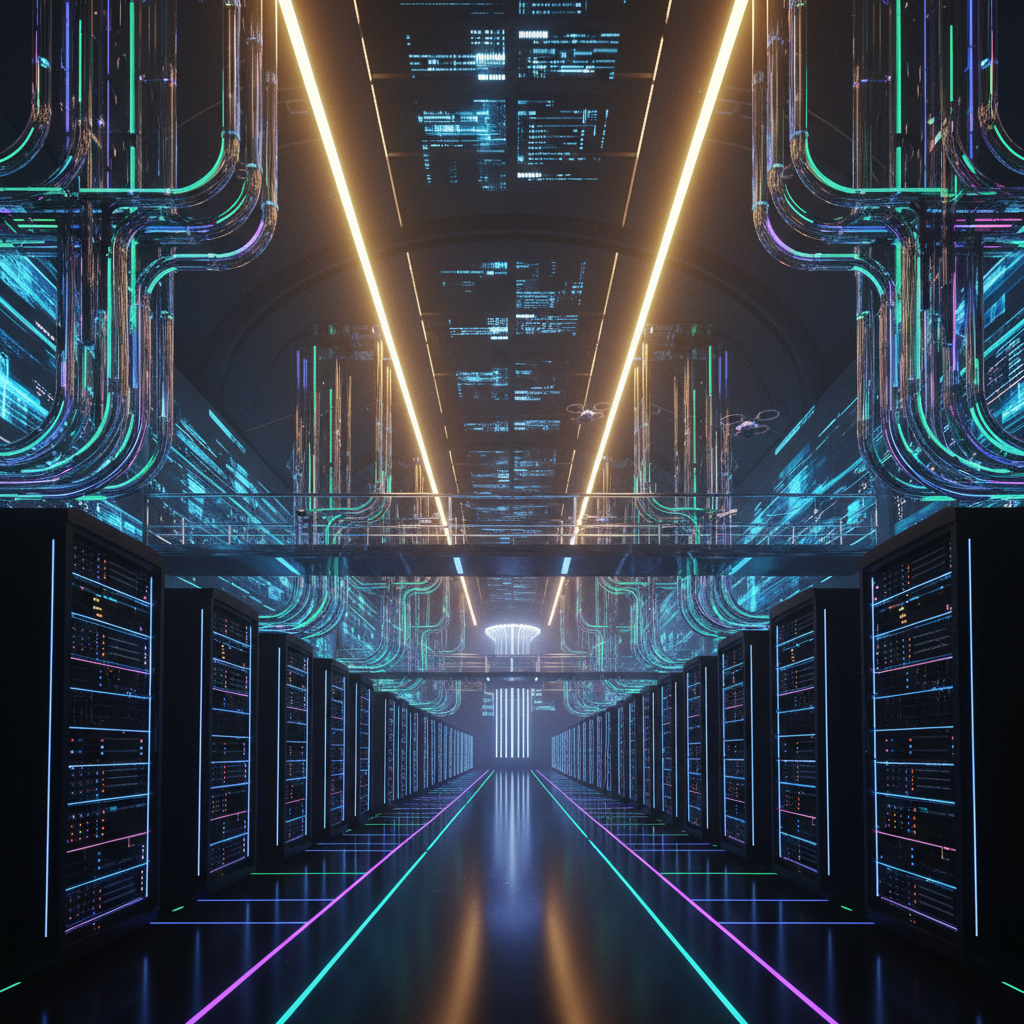
Google is making a strategic pivot in how it builds data centers, signaling a significant shift that could redefine infrastructure development for the artificial intelligence era. Traditionally, data center site selection prioritized proximity to fiber optic networks and low latency. Now, with the insatiable power demands of AI, Google is championing a new “power-first” model.
This innovative approach places access to abundant, affordable, and clean energy at the forefront of site selection decisions for its next-generation AI infrastructure. It’s a fundamental re-evaluation, moving away from a network-centric view to one dictated by electrical grids. This change underscores the unprecedented energy requirements of advanced AI workloads.
The AI Power Conundrum
The rise of artificial intelligence has introduced a paradigm shift in computing, moving beyond the capabilities of traditional data center designs. Modern AI models, particularly large language models (LLMs) and deep learning systems, consume prodigious amounts of electricity. Training and running these complex algorithms demand exponentially more power than conventional cloud computing tasks.
Consider the difference: a typical web server might draw a few hundred watts, but an AI accelerator can consume several kilowatts per chip. When scaled across thousands of these units in a single facility, the power draw becomes astronomical. This intense energy consumption is the core reason Google can no longer afford to treat power as a secondary consideration.
Previous data center strategies focused on locating facilities near major internet exchange points to minimize data transmission delays. While network proximity remains important, the sheer scale of power required by AI means that robust, reliable, and sustainable energy sources must now be the primary determinant. The traditional model of building first and then figuring out power is simply unsustainable for AI’s needs.
Redefining Site Selection for AI
Under Google’s new “power-first” philosophy, the journey to a new AI data center begins with identifying regions rich in specific energy attributes. Key criteria include the sheer volume of available power, its cost-effectiveness, and critically, its sustainability. This means actively seeking locations with access to substantial renewable energy sources like wind, solar, or hydroelectric power.
The goal is to co-locate data centers with power generation or within reach of robust transmission infrastructure that can deliver clean energy. This proactive stance ensures that Google can meet its ambitious commitment to operate on 100% carbon-free energy, 24/7. It’s about designing sustainability into the core infrastructure from the ground up, not as an afterthought.
This shift has profound implications for geographical site selection. Instead of prioritizing urban areas with dense fiber networks, Google will now scout for remote locations that offer a surplus of green energy. These might be areas near large wind farms, solar fields, or established hydro-power stations, potentially opening up new regions for data center development that were previously overlooked.
By securing access to ample power first, Google can then optimize the facility design and network connectivity around that foundational resource. This strategy ensures long-term operational efficiency and scalability for its demanding AI workloads. It’s a complete reversal of the conventional data center development playbook.
Challenges and the Path Forward
Implementing a “power-first” strategy is not without its challenges. Identifying locations with not only abundant renewable energy but also the necessary grid stability and transmission infrastructure is complex. It often requires significant investment in grid upgrades and partnerships with utility providers to ensure consistent, reliable power delivery at the required scale.
Google is actively engaging with energy providers and local governments to facilitate these large-scale deployments. The company recognizes that this new model necessitates a collaborative approach to develop the energy infrastructure needed to support future AI growth. This proactive engagement helps overcome potential bottlenecks in grid capacity and regulatory hurdles.
The transition to a “power-first” model also demands innovative data center designs that can efficiently utilize and manage massive power inputs. This includes advancements in cooling technologies and power distribution within the facility to maximize energy efficiency. Every watt counts when operating at such an enormous scale.
Implications for the Data Center Industry
Google’s move is a significant indicator of future trends across the entire data center industry. As AI adoption accelerates, other major tech players and enterprises will likely follow suit, re-evaluating their own site selection strategies. This could spark a global race for prime locations with access to plentiful, sustainable energy sources.
The “power-first” model highlights the critical convergence of energy infrastructure and digital infrastructure. It signals a future where data centers are not just compute facilities but also major energy consumers that drive innovation in renewable energy and grid management. This shift will influence everything from real estate development to energy policy worldwide.
Ultimately, Google’s bold embrace of a “power-first” strategy represents a foundational architectural change driven by the realities of modern AI. It’s a proactive and necessary step to power the next generation of artificial intelligence, ensuring both performance and environmental responsibility. This strategic pivot sets a new standard for how the industry will build the digital future.
Source: Google News – AI Search
