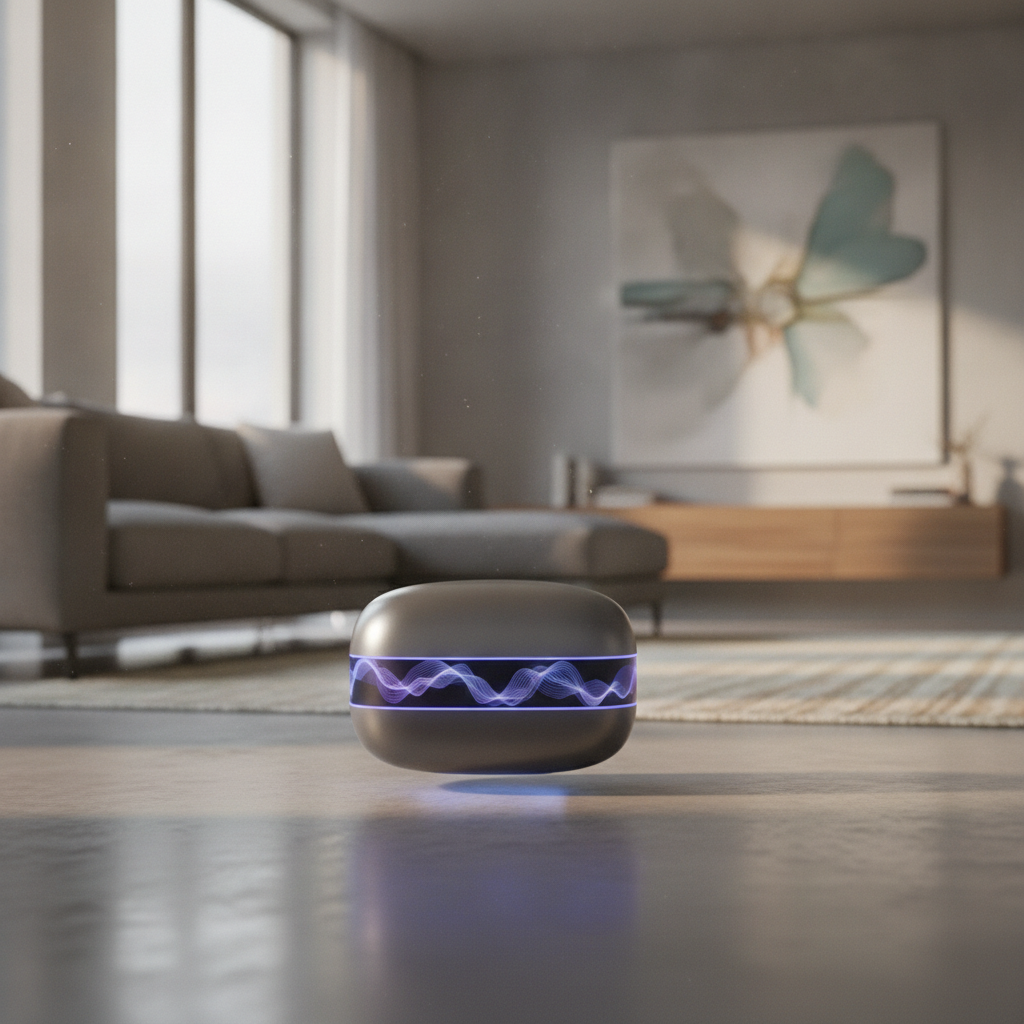
OpenAI, the trailblazing company behind ChatGPT, is reportedly venturing into the hardware arena with a device that sounds straight out of a sci-fi novel. This isn’t just any smart speaker; it’s envisioned as a screenless, mobile AI companion designed to integrate deeply into your home and digital life. The tech world is buzzing with anticipation over what this physical manifestation of advanced AI could mean for everyday interaction.
According to a recent Bloomberg report, this innovative device is still under development, but internal pitches describe it as a “humanlike AI companion that lives in the home.” This concept signals a significant evolution from traditional voice assistants, aiming for a far more personalized and proactive user experience. It promises to bring OpenAI’s sophisticated artificial intelligence into a tangible, ever-present form within your living space.
Meet Your New AI Companion
What truly sets this rumored OpenAI hardware device apart is its departure from conventional smart speaker designs. Sources close to the project describe a gadget imbued with a distinct ‘personality,’ capable of actively learning about its owner over time. Imagine an AI that doesn’t just respond to commands, but truly understands and anticipates your needs, evolving with you.
This intelligent companion is slated to have unprecedented access to a user’s digital existence, drawing insights from personal data like emails to offer highly personalized services. This deep integration aims to create a truly bespoke experience, making the AI feel less like a tool and more like an integral part of your daily routine. The ambition is clear: to craft an AI that is genuinely proactive and intuitively helpful.
Perhaps the most intriguing detail from the Bloomberg report mentions “mechanical elements that can move on their own” within the device. While the exact mechanics remain shrouded in mystery, this suggests a dynamic form factor designed to enhance its companion-like feel. It’s intended to become a “physical manifestation of OpenAI’s ChatGPT,” offering a more engaging and empathetic interaction than static devices.
Such a design choice aims to push the boundaries of human-computer interaction, allowing for non-verbal cues and a more natural presence in the home. This blend of advanced AI and physical interactivity could redefine how we perceive and interact with smart home technology. OpenAI appears to be crafting an entity that is both intelligent and physically expressive.
A Familiar Touch: Former Apple Talent and Legal Hurdles
The pedigree behind this ambitious project is equally noteworthy, with development reportedly benefiting from the expertise of many former Apple engineers. These are the minds instrumental in bringing iconic products like the iPhone and Mac to life. Their involvement underscores OpenAI’s serious intent to deliver a polished, user-centric hardware experience.
However, OpenAI’s foray into hardware comes amidst a challenging legal landscape, particularly concerning its relationship with Apple. Just last week, Apple filed a lawsuit against OpenAI, alleging the theft of its trade secrets. This high-stakes legal battle casts a shadow over OpenAI’s hardware aspirations, even as the company denies any wrongdoing.
Apple’s suit claims that the allegations are merely the “tip of the iceberg,” hinting at more misconduct to be revealed during discovery. Despite these serious accusations, sources indicate OpenAI believes its new device “veers significantly from anything Apple has on the market today.” They assert it is “unlikely that it violates trade secrets” belonging to the Cupertino giant, highlighting a perceived distinction in their respective product philosophies.
This legal entanglement highlights the competitive intensity surrounding AI innovation, especially as it converges with consumer hardware. It forces a crucial discussion about intellectual property in a rapidly evolving technological landscape. OpenAI is clearly positioning its device as a distinct offering, designed to occupy a unique space in the burgeoning market.
The Dawn of Consumer AI Hardware
OpenAI’s move isn’t happening in isolation; it reflects a broader industry trend of increasing excitement around consumer AI hardware. Startups and established tech giants alike are racing to bring sophisticated artificial intelligence into physical devices for everyday users. This burgeoning market suggests a future where AI isn’t confined to screens but is an ambient presence.
A prime example is Hark, an AI lab founded by Brett Adcock, which recently secured an oversubscribed $700 million Series A funding round at a staggering $6 billion valuation. Hark is dedicated to building ‘personal intelligence’ – proprietary AI models paired with custom hardware. Their vision is to create a ‘universal interface between humans and machines,’ indicating a shared belief in the power of integrated AI and hardware.
While Hark has yet to unveil the specific form factor of its device, its massive funding demonstrates the immense capital flowing into this category. This fervent investment is occurring even before products reach consumers, signaling a strong conviction in the transformative potential of AI-powered gadgets. The race is on to define the next generation of personal technology.
As OpenAI prepares to potentially unveil its screenless, moving AI companion, the tech world watches with bated breath. This innovative device, blending advanced AI with a unique physical form, could redefine our expectations for smart home technology. It represents a bold step towards a future where AI is not just a tool, but an interactive and empathetic presence in our lives, despite the ongoing legal complexities.
The intersection of cutting-edge AI, innovative hardware design, and significant market investment paints a vivid picture of the technological frontier. OpenAI’s rumored device stands as a testament to this evolving landscape, promising a more intuitive and ‘humanlike’ interaction with artificial intelligence. The journey to bring this vision to fruition will undoubtedly be fascinating to observe.
Source: TechCrunch – AI
