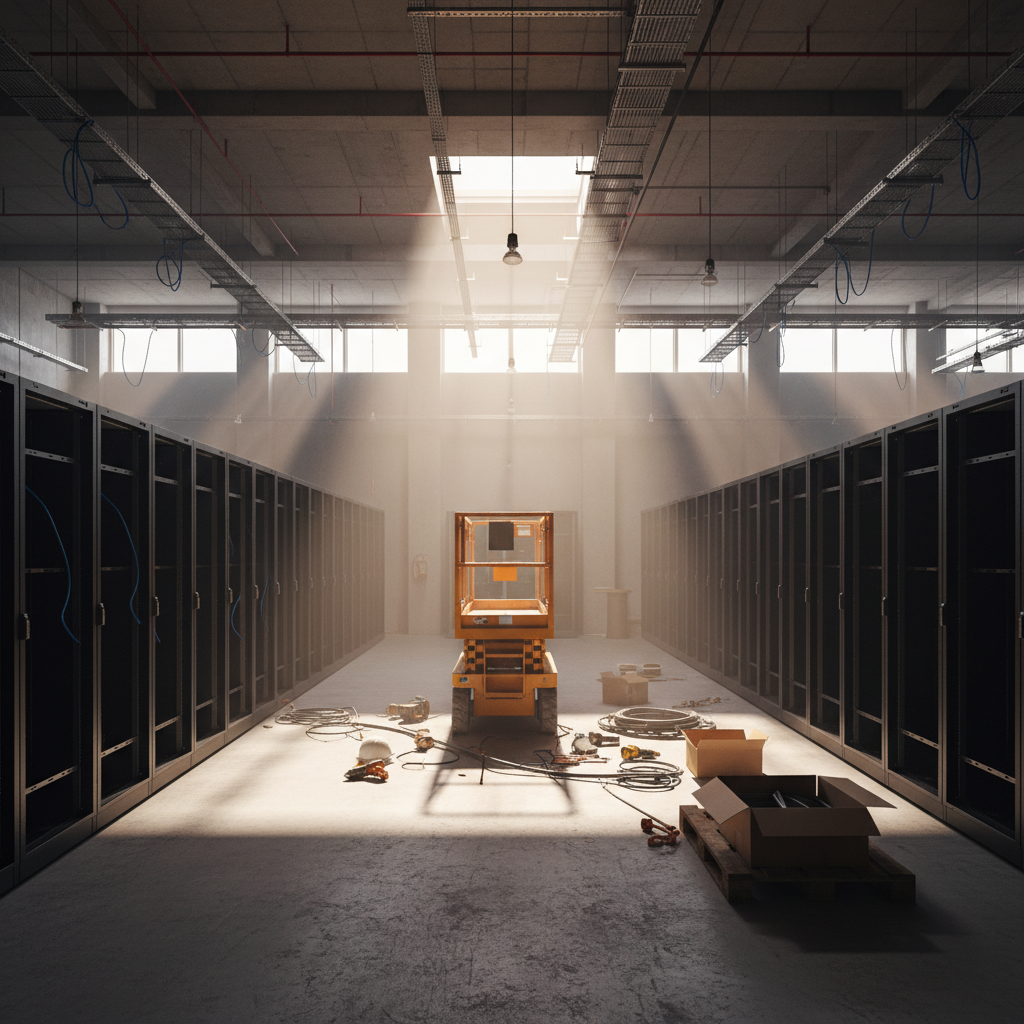
The digital world runs on data, and the engines of this world are data centers. As demand for cloud computing, streaming services, and especially artificial intelligence skyrockets, the need for these powerful facilities has never been greater. However, America’s ambitious data center expansion is encountering significant headwinds, falling dramatically behind schedule and creating a concerning bottleneck for the tech industry.
This slowdown isn’t just a minor inconvenience; it poses a serious threat to the pace of innovation and economic growth. From cutting-edge AI research to the everyday applications we rely on, the ability to process, store, and transmit vast amounts of data is fundamental. Delays in building the necessary infrastructure could have far-reaching consequences across multiple sectors.
The Soaring Demand for Digital Real Estate
The insatiable appetite for digital services is the primary driver behind the urgent need for more data centers. The explosion of generative AI, in particular, requires immense computational power and cooling capabilities, far exceeding previous demands. Hyperscale cloud providers and AI innovators are racing to expand their infrastructure to keep pace with user expectations and competitive pressures.
Every query to an AI model, every streamed movie, and every cloud-based business application relies on a network of data centers operating at peak efficiency. These facilities are more than just server farms; they are complex ecosystems demanding massive amounts of electricity, advanced cooling systems, and highly specialized equipment. The current demand is simply outstripping the industry’s capacity to build them fast enough.
Understanding the Bottlenecks: Why the Delays?
Several critical factors are converging to impede the rapid deployment of new data centers across the United States. These challenges are complex and often interconnected, creating a perfect storm that slows down even the most well-planned projects. Addressing them requires a multi-pronged approach involving governments, utilities, and the private sector.
The most significant hurdle is often access to adequate power. Modern data centers are power-hungry behemoths, and securing enough electricity from an already strained grid is proving exceptionally difficult. Upgrading power substations and transmission lines can take years, often outstripping the construction timeline for the data center itself.
- Permitting and Regulatory Hurdles: Local zoning laws, environmental impact reviews, and community opposition can significantly delay projects. Navigating complex regulatory frameworks varies widely by municipality and often requires extensive negotiation.
- Supply Chain Disruptions: Key components, especially specialized electrical equipment like transformers, still face extended lead times. The global supply chain has yet to fully recover from recent disruptions, impacting the availability of essential materials.
- Skilled Labor Shortages: The construction of data centers requires highly specialized engineers, electricians, and technicians. A shortage of skilled tradespeople capable of working on these complex facilities adds further delays and increases costs.
Geographic Hotspots and Their Challenges
The areas typically targeted for data center development are often those with robust fiber optic networks, relatively stable power grids, and favorable land costs. Northern Virginia, for example, is the world’s largest data center market, but even it is feeling the pinch of power constraints and permitting issues. Other key growth regions include Phoenix, Arizona; Dallas, Texas; and parts of Oregon and Ohio.
In these high-demand locations, local utilities are struggling to upgrade their infrastructure quickly enough to meet the unprecedented power requirements of new data center campuses. This imbalance means that even if a facility is built, it might sit idle, awaiting the necessary electrical hookup. This situation highlights the critical need for better coordination between developers and utility providers.
The Ripple Effect: What’s at Stake?
The consequences of these data center delays extend far beyond the construction sites themselves. At the forefront, AI development could be significantly hampered, as the very infrastructure needed to train and deploy advanced models becomes scarce. This could slow down breakthroughs and impact America’s competitive edge in the global AI race.
For everyday users, slower cloud expansion could mean less responsive services, higher costs for businesses relying on cloud infrastructure, and a general stagnation in digital innovation. The economic impact is also considerable, as these projects represent billions in investment and thousands of high-paying jobs that are currently on hold. Ultimately, the ability for the United States to maintain its leadership in technology is closely tied to its capacity to build out this essential digital backbone.
Addressing these infrastructure challenges is paramount for sustaining technological progress and economic vitality. Solutions will likely involve innovative approaches to power generation, streamlined permitting processes, and increased investment in training the specialized workforce required for this critical industry.
Source: Google News – AI Search
