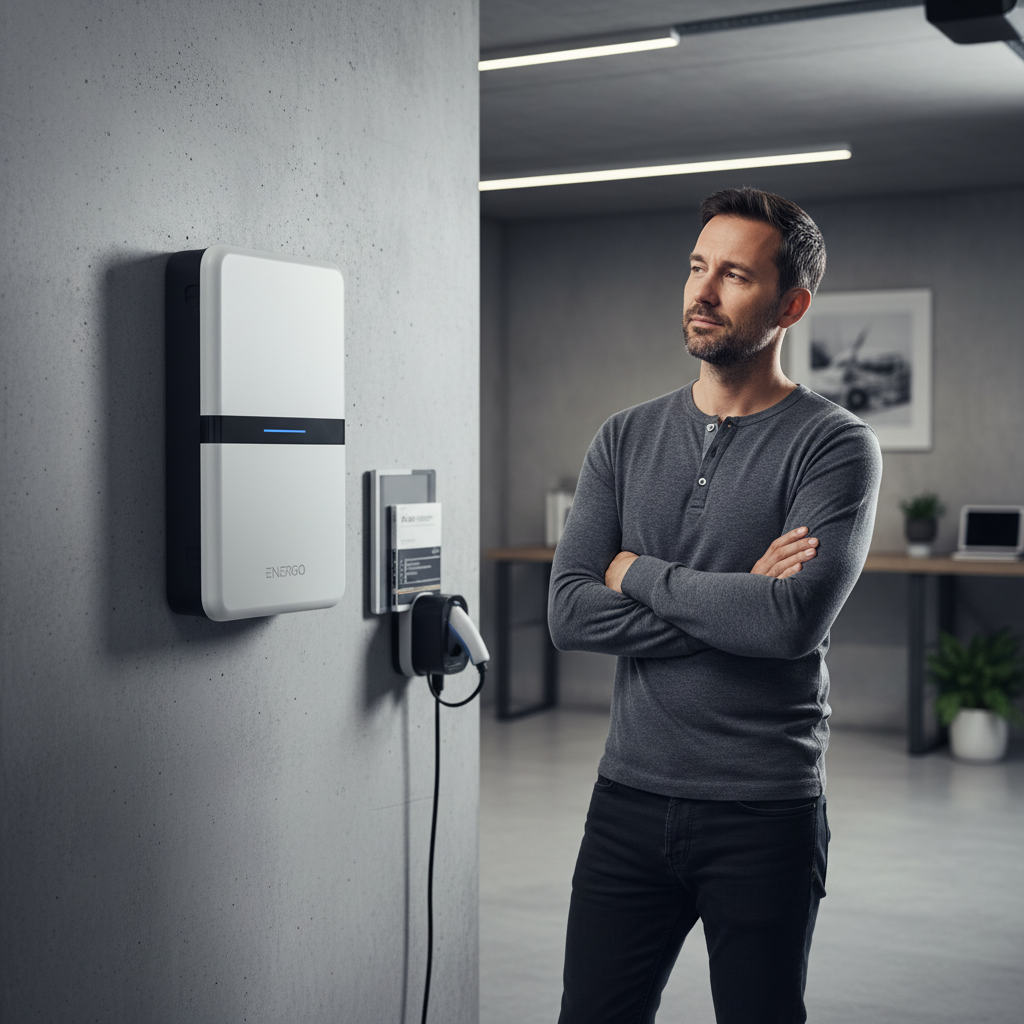
Considering a home battery backup system is a big step, and it’s easy to assume the price tag is the biggest hurdle. While “sticker shock” is definitely a factor, especially when dreaming of whole-home backup, many homeowners grapple with deeper questions that extend far beyond the initial investment.
After numerous conversations with individuals exploring this technology, it’s clear that the journey from contemplating a battery to actually installing one is filled with hesitation. Often, a persistent power outage, a shockingly high energy bill, or the decision to install a new solar array can push the idea of a home battery from a distant thought to an urgent necessity.
Beyond the Price Tag: What’s Holding Homeowners Back?
Many homeowners find themselves in a “chicken-and-egg” situation when planning major home energy upgrades. They’re unsure about the optimal sequence for improvements like a new roof, solar panels, an electric vehicle (EV), and finally, a home battery system.
Jessica from Kentucky perfectly articulated this dilemma: “I’m interested in backup power, but I still don’t feel clear on the right order of operations. I may need a new roof at some point, and I may want solar, and maybe an electric vehicle (EV) down the road. I’m not sure what should come first or what makes the most sense to do together.”
Braulio Escobar, a business development manager at EcoFlow, suggests starting with your ultimate goal in mind. Envision your ideal setup five or ten years down the line, and then work backward to prioritize the foundational steps that will support that future vision.
For instance, if rooftop solar is on your horizon, it makes perfect sense to address any roofing needs first. Research from independent firm Habitelligence confirms that 77% of homeowners are in an active technology cycle, meaning they’re either planning or have recently made a significant home tech investment.
Investing for the Future (or a Future Move)
Another common concern revolves around the long-term commitment of a home battery system, especially if you’re not sure your current house is your “forever” home. Susan from Texas shared this sentiment: “The cost matters, of course, but for us the bigger question is whether this house is really our long-term home.”
She continued, “If we’re making a major investment in solar and batteries, I want to feel confident we’ll be here long enough for it to actually make sense.” It’s a valid point – you want your significant investment to yield tangible benefits.
Escobar offers a helpful perspective: consider a grid-tied home battery like a new heating and air conditioning (HVAC) system. You don’t take your HVAC with you when you move, and the same applies to a fixed home battery. However, leaving it behind isn’t a loss.
In fact, data from Habitelligence shows that 73% of homeowners who have installed a battery believe their home energy setup has substantially increased their home’s value. As energy costs continue to climb and grid reliability becomes a growing concern, homes equipped with such systems often command a premium in the market.
For those who desire backup power but anticipate moving, portable home batteries offer a flexible alternative. Unlike their grid-tied counterparts, these systems can easily roll from one home to the next, providing the benefits of energy independence without being permanently fixed to a property.
Decoding the Jargon: What You Really Need to Know
Receiving an estimate for a home battery system can sometimes create more confusion than clarity. Terms like “cycle life,” “round-trip efficiency,” and “depth of discharge” are crucial for professionals but can be overwhelming for homeowners who simply want to know if their refrigerator and air conditioner will stay on during an outage.
Drew from Colorado perfectly encapsulated this frustration: “I felt that when these people came over for these estimates and talking all the lingo… It’s like going to a doctor. You don’t even understand half the things they say.” This communication gap is a major source of anxiety for potential buyers.
Before any estimate, Escobar stresses the importance of understanding one key metric: your monthly energy utilization. Knowing this number provides a foundational understanding of how much solar and battery power you’ll actually need.
You can easily find this information by reviewing your past energy bills. Taking this simple step puts you ahead of many homeowners, as Habitelligence research reveals that 44% of homeowners have no idea how much energy they use each month. Armed with this knowledge, you’ll be better equipped to prevent being oversold on a system that exceeds your actual requirements.
When selecting an installer, pay close attention to their communication style and willingness to address your concerns transparently. A trustworthy installer will not only explain what their systems can do but also clearly outline their limitations, building confidence and trust in the process.
Finding Your Path to Energy Independence
The questions posed by Jessica, Susan, and Drew are universal concerns for many homeowners navigating the world of home energy. While there’s no single “right” answer for every situation, clarity often emerges when you truly understand your core motivations for investing in a home battery.
Upcoming research from Habitelligence highlights three primary drivers: resilience (keeping the lights on during outages), economics (saving money on energy bills), and autonomy (gaining greater control over your energy supply). Reflecting on these can guide your decision-making.
To help steer you in the right direction, consider asking yourself a few simple questions:
- Why do I want a home battery? What specific problem am I trying to solve?
- How much will I truly use the battery system, and for what purposes?
- What is my realistic budget and risk tolerance for this investment?
By understanding your motivations, comfort level, and crucial data like your monthly energy consumption, you’ll be far better prepared to envision how a battery backup system integrates into your home’s energy future. This self-awareness also empowers qualified installers to provide more accurate, tailored advice, ensuring you make the best choice for your needs.
Source: ZDNet – AI
