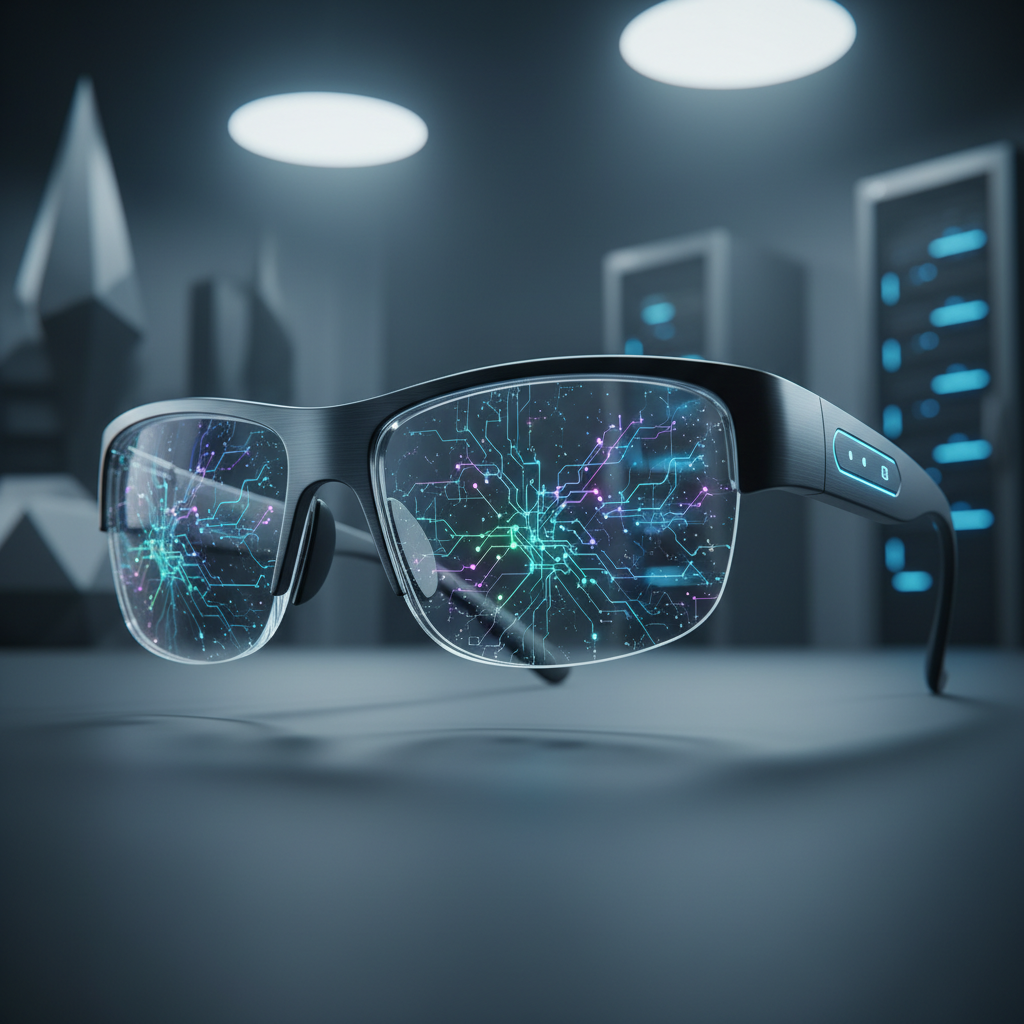
The tech world is abuzz once again with whispers and strong indications of Google’s renewed foray into the augmented reality (AR) glasses market. Following earlier ventures like Google Glass, the company appears poised to launch a more sophisticated, AI-driven wearable that could fundamentally alter how we interact with digital information and the world around us. This potential re-entry, particularly with a focus on artificial intelligence, sets the stage for a compelling showdown in the burgeoning smart glasses sector, a space Meta has also heavily invested in.
Google’s past attempts, while pioneering, faced significant hurdles, from social acceptance to privacy concerns and battery life. However, with advancements in miniaturization, battery technology, and especially artificial intelligence, the landscape has dramatically shifted. The question on many minds is whether Google’s next-generation AI glasses will deliver on the long-promised potential of AR and carve out a significant niche in a market eager for the next big thing in personal computing.
Google’s Vision: AI at the Forefront
Unlike previous iterations, Google’s new approach is heavily centered around integrated artificial intelligence, aiming to make the glasses an indispensable tool for daily life. Imagine real-time translation appearing seamlessly in your line of sight, or instant contextual information about landmarks, products, or even people you encounter. This vision transcends simple notifications, striving for a truly intuitive and proactive digital assistant that enhances perception rather than distracting from it.
Key to this strategy is leveraging Google’s extensive ecosystem of AI services, including Google Assistant, Google Translate, and powerful search capabilities. By embedding these directly into a wearable form factor, the glasses could offer unparalleled utility, transforming mundane tasks into more informed experiences. This focus on practical, everyday applications, powered by advanced AI, could be the differentiator Google needs to overcome past challenges and capture consumer interest.
The Battle for Your Face: Competing with Meta and Beyond
Google’s renewed push into AR glasses comes at a time when competition in the extended reality (XR) space is intensifying, with Meta being a significant player. Meta has made considerable investments in its Quest VR headsets and, more recently, its Ray-Ban Stories smart glasses, which offer integrated cameras and audio. While Meta’s focus has leaned towards social interaction and immersive experiences, Google’s rumored strategy appears to prioritize utility, information access, and seamless integration into daily routines.
The market impact of Google’s AI glasses largely hinges on their ability to offer a compelling value proposition that stands apart from existing devices. Success will require more than just impressive technology; it demands a product that solves real problems, integrates gracefully into social norms, and respects user privacy. If Google can deliver on this promise, its AI glasses could not only challenge Meta but also redefine consumer expectations for wearable technology altogether.
What Will Define Success?
The road to widespread consumer adoption for AR glasses is fraught with challenges, including price, battery life, design aesthetics, and, crucially, privacy. Google must strike a delicate balance between offering powerful AI features and ensuring the devices are socially acceptable and unintrusive. Early market sentiment suggests consumers are wary of devices that feel cumbersome or raise surveillance concerns.
- Utility and Seamless Integration: The glasses must offer clear, tangible benefits that seamlessly integrate into daily routines without feeling like a burden.
- Design and Comfort: A lightweight, stylish, and comfortable design will be paramount for encouraging consistent wear and social acceptance.
- Battery Life: Adequate battery life for a full day’s use is critical to avoid constant recharging and user frustration.
- Privacy and Trust: Robust privacy safeguards and clear communication on data handling will be essential for building consumer trust.
- Ecosystem Integration: Deep integration with existing Google services and third-party applications will enhance functionality and user experience.
A Potentially Transformative Future
Should Google manage to navigate these complexities, its AI glasses could indeed prove transformative for the market, ushering in a new era of personal computing. Such a device wouldn’t just be another gadget; it would be an always-on, contextually aware assistant, subtly enhancing our perception and interaction with the world. This could spark a rapid evolution in how we access information, communicate, and even learn, fundamentally changing our digital habits.
The potential goes beyond personal use, extending into enterprise applications, healthcare, and education, where hands-free access to information can significantly boost efficiency and safety. While the journey is long and success is not guaranteed, Google’s strong commitment to AI and its vast resources position it uniquely to make a significant, potentially “meta-morphic,” impact on the future of wearable technology.
Source: Google News – AI Search
