In an increasingly unpredictable world, preparing for natural disasters isn’t just a good idea—it’s essential. From extreme weather events to potential power outages, the threats facing our homes and offices are growing. This guide, brought to you by ZDNET, leverages years of expert insight and rigorous testing to help you build resilience and make informed decisions.
At ZDNET, our recommendations are the result of countless hours of independent testing, research, and careful comparison shopping. We delve into vendor and retailer listings, scour other reputable review sites, and pore over customer feedback to understand what truly matters to real people. Our commitment is to deliver accurate information and knowledgeable advice, empowering you to make the smartest buying choices for tech gear and a vast array of products and services.
When you click through our site to a retailer and make a purchase, we may earn affiliate commissions. This financial support sustains our work, but it never influences our editorial content or the price you pay. Both ZDNET and our authors maintain strict guidelines to ensure our reviews are independent and unbiased, never swayed by advertisers. We write for you, our reader, and every article is thoroughly reviewed and fact-checked to meet the highest standards. Should you spot any inaccuracies, please report them via our dedicated form, and we will promptly correct or clarify the information.
Understanding the Rising Threat of Natural Disasters
The numbers speak for themselves: 2024 saw 27 confirmed weather and climate disasters in the US, each causing at least $1 billion in damage. While 2025 data is still emerging, it’s reasonable to assume a similar level of destruction. Beyond the staggering financial costs, these disasters represent immense human suffering, accounting for over 550 lives lost in 2024 alone, along with widespread heartache and disruption.
Add to this the increasing frequency of extreme temperatures and the heightened risk of power outages, and it’s clear we face significant challenges. Even in the UK, where I reside, we’re bracing for record-breaking heatwaves that could reach 100 degrees Fahrenheit (38 degrees Celsius). Such conditions not only raise the risk of wildfires but also pose serious health threats, especially to vulnerable populations, and increase the likelihood of power grid failures.
While individuals might feel powerless in the face of such overwhelming forces, there are concrete steps we can take to minimize the impact of natural disasters. My extensive background, spanning decades of tech writing and a lifelong passion for preparedness, including outdoor survival courses and urban emergency training, has shown me the immense value of proactive planning. It starts with understanding your specific risks.
Know Your Risks and Gather Essential Gear
The first crucial step in preparedness is identifying the specific risks your location faces. If you’ve lived in your area for a while, you likely have a sense of yearly weather patterns and potential hazards. If not, a quick web search can provide a wealth of information, from the types of disasters common to your region to their most probable timing.
Generally, weather threats fall into several broad categories. Understanding these helps you tailor your preparations. Some states are experiencing such severe and frequent disasters that many homeowners are considering relocating to safer areas entirely. This highlights the severity and growing concern around these events.
- Hurricanes/Typhoons/Tropical Storms: Primarily coastal regions, but impacts can extend far inland.
- Flooding: Low-lying areas, near rivers, coastal zones, or areas with poor drainage.
- Wildfires: Dry, forested, or scrubland regions, especially during drought conditions.
- Earthquakes: Geologically active fault lines (e.g., California, Pacific Northwest).
- Tornadoes: “Tornado Alley” and “Dixie Alley” in the central and southeastern US.
- Winter Storms/Blizzards: Northern states, mountainous regions.
- Heatwaves: Increasingly widespread, especially in urban areas lacking green space.
While specific kits can vary, essential disaster supplies generally fall into five core categories. These aren’t just about making a shopping list; it’s about having what you need to sustain yourself and your family. Remember, it’s crucial to know how to use all your emergency equipment beforehand.
- Food and Water: Non-perishable items, at least a 3-day supply. MREs (Meals Ready-to-Eat) are excellent, high-calorie options with long shelf lives.
- Medical Supplies: First-aid kit, prescription medications, over-the-counter essentials.
- Shelter and Warmth: Blankets, sleeping bags, a tent if necessary.
- Communication and Lighting: Battery-powered or crank radio, flashlights, extra batteries, power bank.
- Important Documents & Cash: Physical and digital copies of vital papers, emergency cash.
Safeguard Your Digital and Physical Memories
I’ve witnessed firsthand the devastation when people lose everything, not just tangible possessions but irreplaceable memories and critical documents. While insurance can help replace physical items, it can’t bring back cherished photos, videos, or ease the bureaucratic nightmare of recovering birth certificates and passports. Even recalling bank accounts can become impossible under duress.
Imagine a scenario where a fire, flood, or other disaster completely wipes away everything you own. Initially, you might feel a strange sense of relief, thinking of the junk drawer or that messy garage. But then the realization hits: all the data on your computer and phone, the irreplaceable memories, vital documents, and financial records—all gone. It’s like losing your wallet, but on an unimaginable scale.
Now is the time to back up everything you would miss. Store photos and documents in the cloud, ensuring you remember your passwords. For physical copies of critical documents, consider a safe deposit box at a bank or a specialist vault. Alternatively, you could send a package of encrypted copies to trusted family or friends in a different, distant location. A ruggedized external drive or even a durable microSD card, which is small, waterproof, and surprisingly resilient, can also be invaluable for portable data storage.
Essential Documents to Back Up
When preparing copies of documents, think broadly about what you might need to rebuild your life. This isn’t an exhaustive list, but it’s a strong starting point to ensure you have access to critical information when it matters most.
- Personal Identification: Passports, driver’s licenses, birth certificates, marriage licenses.
- Financial Records: Bank account numbers, credit card statements, investment details, insurance policies (home, auto, life).
- Medical Information: Health insurance cards, medical records, prescription lists.
- Property Documents: Deeds, mortgage papers, vehicle titles.
- Legal Documents: Wills, power of attorney.
- Contact Information: Emergency contacts, family, doctors, insurance agents.
Crucially, don’t overlook your passwords. They are the keys to your digital kingdom. Losing them can be incredibly painful, potentially locking you out of accounts like Apple iCloud or Google Cloud permanently. If you use a password manager, ensure the master password is either unforgettable or securely backed up, perhaps with a printed recovery key or trusted contact option.
The Indispensable Bug-Out Bag
Each year, approximately 2.5 to 3.5 million Americans are displaced from their homes by natural disasters—nearly one in 70 adults. Hurricanes cause about half of these displacements, with flooding accounting for a quarter. A staggering one-third of those displaced are away for over a month, and more than one in ten never return home. Disturbingly, a third of those displaced reported significant food shortages in the first month following a disaster.
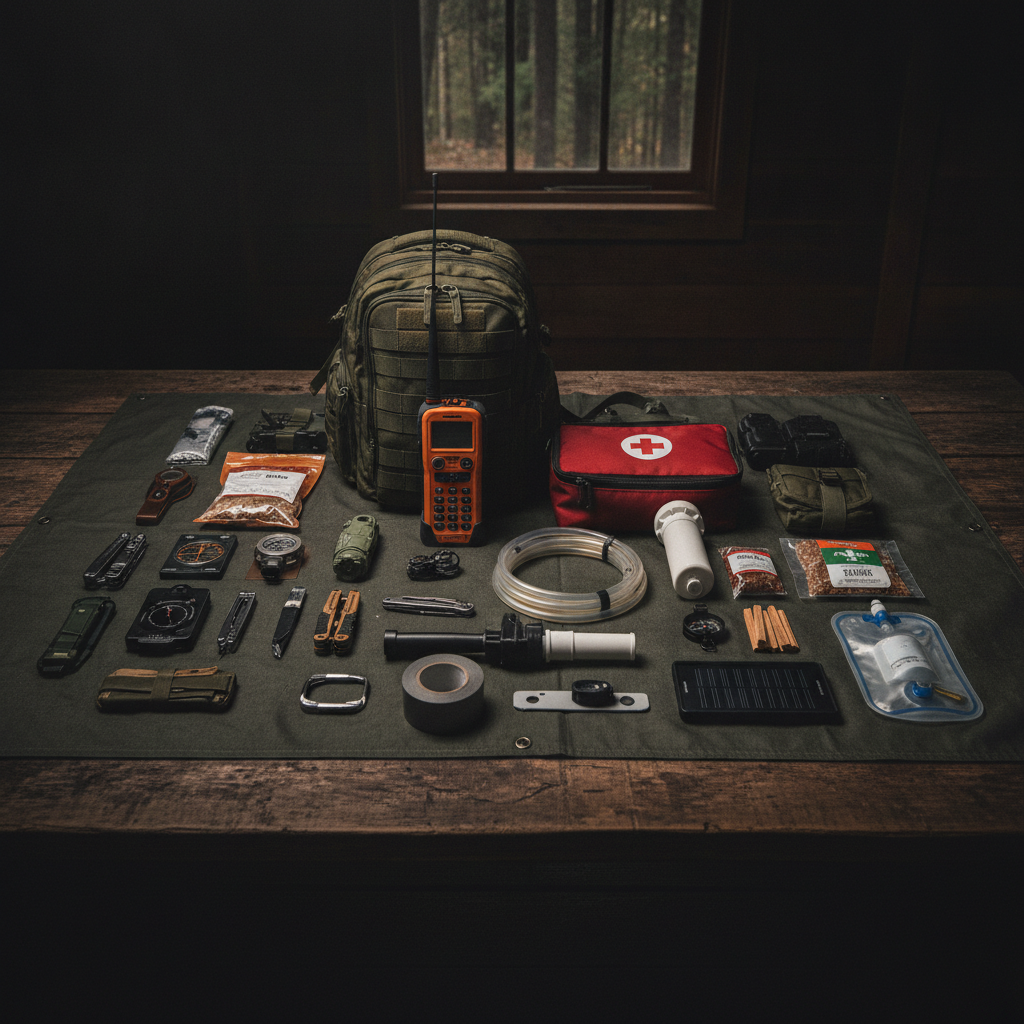
This is where a “bug-out bag” or “go bag” becomes essential. It’s a pre-packed emergency kit designed to help you be self-sufficient for typically 72 hours, or longer if you prefer, should you need to evacuate quickly. When evacuation orders are issued due to wildfires, floods, hurricanes, or other immediate threats, you might have only hours or even minutes to leave. A bug-out bag ensures your essentials are gathered and ready.
I view the bug-out bag as separate from your general emergency kit to prevent items from being scattered. The goal isn’t to live off the land but to get to safety—a friend’s house, a hotel, or a community shelter. Keep it portable; if you can’t grab it and carry it for at least a quarter-mile, it’s too heavy and might get left behind.
What to Pack in Your Bug-Out Bag
- Water & Filtration: At least 1 gallon per person per day, plus a water filter or purification tablets.
- Non-Perishable Food: High-energy snacks, MREs, or freeze-dried meals for 3-5 days.
- First-Aid Kit: Comprehensive kit with personal medications.
- Emergency Blanket & Shelter: Mylar blankets, lightweight tarp or small tent.
- Communication: Hand-crank radio, fully charged power bank, basic cell phone (if applicable).
- Lighting: Headlamp or flashlight with extra batteries.
- Tools: Multi-tool, duct tape, cordage.
- Sanitation: Hand sanitizer, wet wipes, toilet paper, garbage bags.
- Cash: Small bills, as ATMs and card readers may be offline.
- Copies of Important Documents: (Waterproof bag) IDs, insurance, medical info.
- Comfort Items: Small book, comfort item for children.
Don’t Forget Your Loved Ones: Kids and Pets
Many emergency plans falter when accounting for children and pets, who are entirely dependent on adults during a disaster. They require additional planning for transportation, food, medical care, and crucial emotional support. For children, particularly infants, this means including formula, diapers, and wipes in your bag. A favorite stuffed animal or book can also provide immense comfort during stressful evacuations and shelter stays.
Pets also need their own provisions for at least 72 hours, including food, water, bowls, and any necessary medications. Don’t forget carriers, leashes, and sanitation supplies. Accounting for these additional needs will significantly impact the size and weight of your bug-out bag, so plan accordingly to ensure everyone in your household is prepared and safe.
Source: ZDNet – AI
