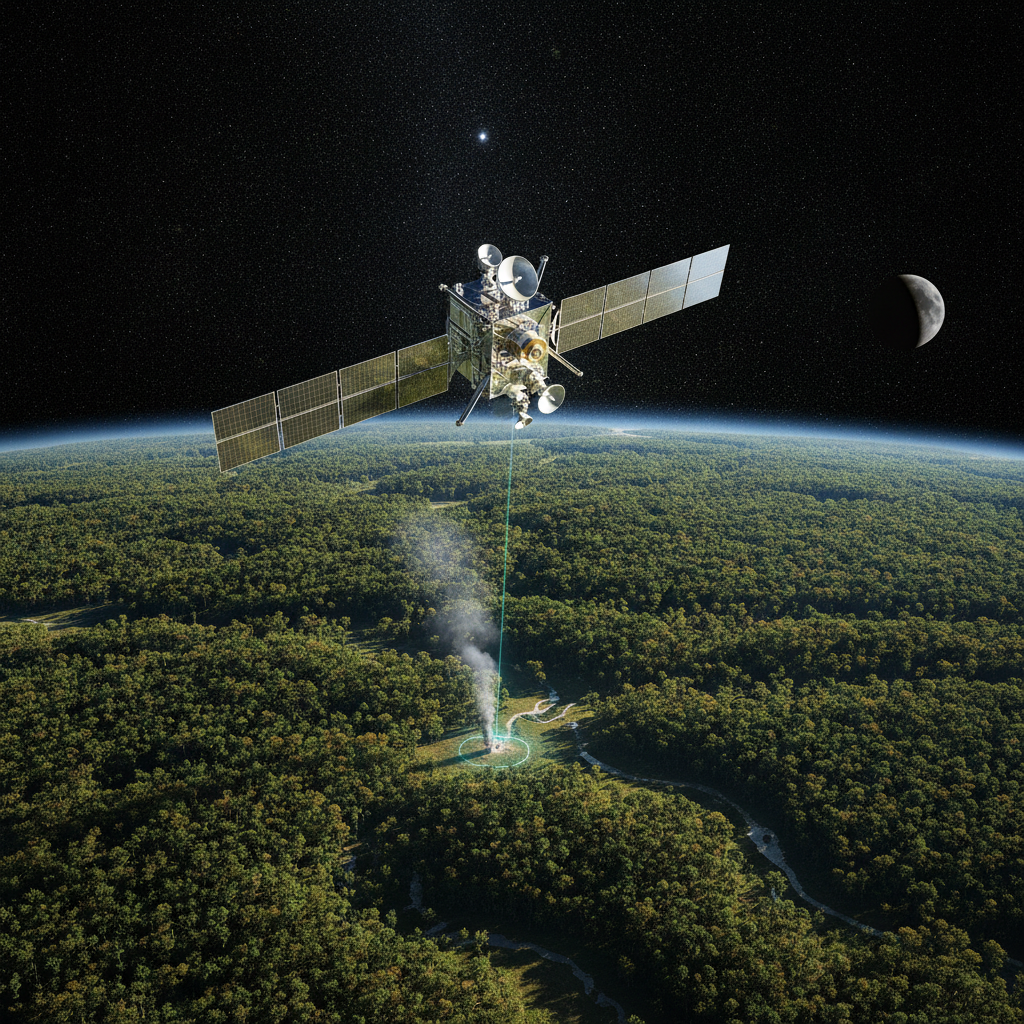
A significant leap forward in the fight against devastating wildfires just occurred! Three brand new FireSat satellites successfully launched from Vandenberg Space Force Base in sunny California today. This monumental event marks a crucial expansion of the FireSat program, a groundbreaking global initiative spearheaded by the dedicated nonprofit, Earth Fire Alliance (EFA).
This program is on a mission to compile an unprecedented, high-resolution wildfire dataset, revolutionizing how we detect and respond to blazes. By providing continuous, near real-time coverage, FireSat aims to equip fire agencies with the critical information they need to spot wildfires early, long before they can rage out of control.
A New Era in Wildfire Detection
The FireSat constellation represents a powerful collaboration between leading innovators and passionate advocates. Google Research has joined forces with key players in the fire community, including the Earth Fire Alliance and advanced satellite manufacturer Muon Space. Together, they are crafting this purpose-built network, meticulously designed to offer the unwavering surveillance that fire management demands.
Traditional wildfire detection often relies on ground-based observation or less frequent satellite passes, which can miss nascent fires. FireSat’s innovative approach promises to fill these critical gaps, offering a persistent watchful eye over vulnerable landscapes. This enhanced vigilance is vital for protecting communities, ecosystems, and infrastructure from the escalating threat of wildfires worldwide.
Building on Proven Success
This latest launch builds directly on the incredible momentum established last year, when FireSat’s initial pilot satellite successfully reached orbit. That pioneering mission was a resounding success, demonstrating the immense potential of its underlying sensor technology. These advanced sensors are specifically engineered to detect early-stage wildfires, even those as small as 5×5 meters.
The pilot satellite has already proven its worth, spotting numerous small, low-intensity blazes that remained completely invisible to existing satellite systems. This capability is a game-changer, allowing for rapid intervention before fires can escalate into major incidents. The three new orbiters now joining the network carry this exact, proven architecture, significantly bolstering the program’s growing observational power.
Imagine the impact of consistently identifying fires in their nascent stages – it means more effective resource allocation, safer communities, and vastly reduced environmental damage. The expansion of FireSat is not just about more satellites; it’s about a more proactive, intelligent approach to wildfire management.
The Power of Partnership and Philanthropy
This significant milestone stands as a powerful testament to what can be achieved when diverse sectors unite under a shared, urgent mission. It underscores the incredible possibilities that emerge when tech giants, dedicated nonprofits, philanthropic organizations, and the private sector pool their expertise and resources. This collaborative spirit is the engine driving the FireSat program forward.
To help jumpstart this vital work and accelerate the deployment of these early satellites, Google.org has provided substantial support, contributing over $15 million. This significant investment highlights Google’s commitment to leveraging technology for real-world impact and addressing pressing global challenges. It’s an investment in a safer, more resilient future.
The entire consortium proudly celebrates this achievement, viewing it as another tangible step forward in putting practical Artificial Intelligence (AI) to work for climate resilience. Each satellite launched, each data point gathered, brings us closer to a future where communities are better protected from the devastating effects of wildfires.
Looking Ahead: AI for Climate Resilience
The FireSat program isn’t just about detecting fires; it’s about building a comprehensive understanding of fire behavior and patterns. The massive dataset collected by these satellites, combined with Google Research’s AI capabilities, will lead to sophisticated predictive models. These models will empower fire agencies with unparalleled insights, allowing them to anticipate risks and deploy resources strategically.
This initiative goes beyond mere observation; it’s a commitment to fostering a new generation of early warning systems. By integrating satellite data with advanced analytics, we can move from reactive fire suppression to proactive prevention and rapid, informed response. The implications for global climate resilience are profound, offering a beacon of hope in a warming world.
The successful deployment of these FireSat satellites aboard the SpaceX Transporter-17 vessel marks not just a technical triumph, but a powerful stride towards a future where technology actively safeguards our planet. This continuous monitoring capability will provide an invaluable tool in the ongoing battle against wildfires, a battle that increasingly demands innovation and collaboration.
Source: Google Blog (The Keyword)
