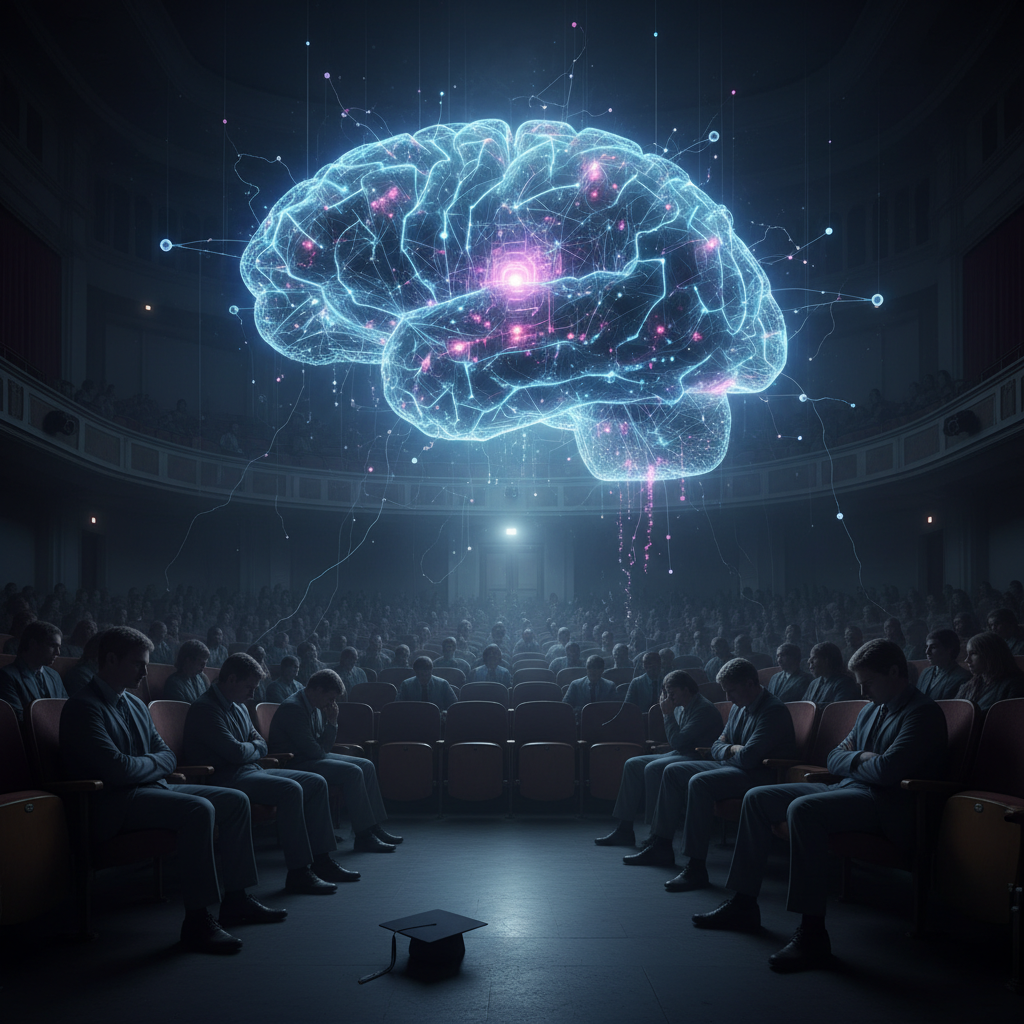
Even seasoned tech titans aren’t immune to a tough crowd, especially when the conversation turns to the rapidly evolving and often polarizing topic of artificial intelligence. Such was the scene at the University of Arizona’s recent commencement ceremony, where former Google CEO and executive chairman, Eric Schmidt, was met with an unexpected chorus of boos from the graduating class and their families.
The reception wasn’t a personal attack on Schmidt, a revered figure in the tech world; rather, it was a palpable expression of mounting public anxiety surrounding AI. As a prominent advocate for technological advancement, particularly in artificial intelligence, Schmidt found himself directly confronting the very real fears many hold about the future impact of these powerful technologies.
The moment underscored a growing societal unease that is shifting from quiet apprehension to vocal dissent, even in traditionally celebratory settings. It served as a stark reminder that while tech leaders champion AI’s potential, a significant portion of the public, especially young people entering the workforce, harbor profound concerns.
A Tech Titan Meets Public Skepticism
For decades, Eric Schmidt has been synonymous with innovation and progress. His tenure at Google saw the company’s transformation into a global powerhouse, and he has consistently championed the transformative power of technology, including its role in shaping a better future.
His usual message of optimism and technological potential, however, clearly clashed with the prevailing mood at the University of Arizona. The boos weren’t just a handful of isolated voices; they represented a collective sentiment of doubt and concern that permeated the auditorium, signaling a significant public relations challenge for the tech industry.
This incident is a powerful indicator that the conversation around AI is no longer confined to academic papers or industry conferences. It has entered the public consciousness, becoming a subject of intense debate and, for many, a source of genuine apprehension.
Unpacking the Roots of AI Anxiety
What exactly fuels this widespread anxiety among the public? It’s a complex interplay of factors, many of which directly concern the future that graduates are stepping into. These fears aren’t abstract; they touch on core aspects of life and work in an increasingly automated world.
The graduating class, poised to enter a rapidly changing job market, is particularly attuned to these shifts. Their education has prepared them for a world that is now being fundamentally reshaped by AI, prompting legitimate questions about their career paths and economic security.
Key concerns frequently cited by those wary of AI include:
- Job displacement: Many worry about automation and AI replacing human roles, particularly in emerging professional fields, leading to widespread unemployment.
- Ethical dilemmas: Issues like algorithmic bias, potential for discrimination, privacy invasion, and the misuse of personal data are top of mind.
- Misinformation and deepfakes: The ability of generative AI to create convincing but false content raises serious questions about truth, trust, and the integrity of information.
- Autonomous decision-making: Apprehension exists regarding AI making critical choices without sufficient human oversight in sensitive areas like healthcare, finance, or even national security.
The rapid advancements in large language models and other generative AI technologies have brought these once-futuristic concerns into immediate public focus, underscoring a growing unease with the speed and direction of technological progress.
Bridging the Divide: The Path Forward for AI
For leaders like Eric Schmidt, AI represents an unparalleled frontier of innovation and problem-solving, with the potential to revolutionize industries from healthcare to education. They often highlight AI’s capacity to enhance human capabilities and solve some of the world’s most pressing challenges.
However, the uncomfortable moment at the University of Arizona serves as a potent reminder that this optimistic vision isn’t universally shared. There’s a clear and growing disconnect between the confidence of tech visionaries and the genuine fears of a concerned public.
Moving forward, transparent development, robust ethical frameworks, and open, empathetic communication will be absolutely crucial. Addressing public fears head-on, rather than dismissing them, is essential for building the trust needed for AI’s successful and responsible integration into society.
The boos at a commencement speech are more than just a momentary interruption; they are a significant call for dialogue and accountability. They signal a demand for more thoughtful, inclusive, and human-centric conversations about how AI is developed, governed, and ultimately, how it will shape our collective future.
Source: Google News – AI Search
