When you’re navigating the exciting world of new tech, trust is paramount. Here at ZDNET, we’re dedicated to bringing you the most accurate and insightful information, based on countless hours of independent testing and research. We meticulously compare products, scrutinize customer reviews, and analyze vendor data to ensure our recommendations are always reliable and unbiased, helping you make smarter buying decisions.
You might notice that we include affiliate links in our content; clicking through and making a purchase may earn us a small commission. This revenue helps support our extensive work, but rest assured, it never influences what we cover, how we review it, or the price you pay. Our strict editorial guidelines ensure that our content is always driven by our commitment to you, our reader, and is never swayed by advertisers.
Introducing the Framework Laptop 13 Pro: A New Breed of Modular Power
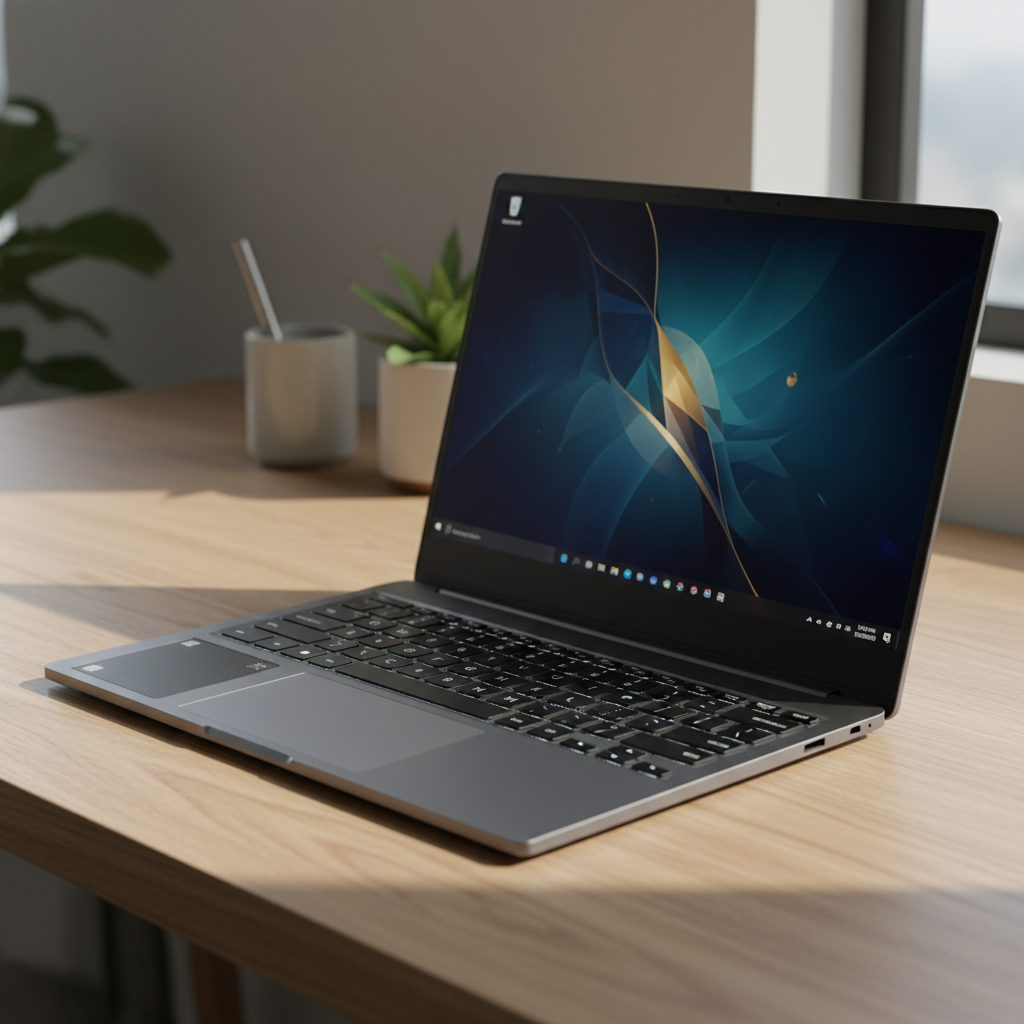
Get ready for a game-changer in the modular laptop space: Framework has just unveiled the all-new Framework Laptop 13 Pro. This isn’t just an upgrade; it’s a sleek, thin-and-light powerhouse boasting a redesigned chassis, the latest Intel Core Ultra Series 3 processors, significantly improved battery life, and premium touches like a haptic touchpad.
Framework CEO Nirav Patel boldly calls it the “MacBook Pro for Linux users,” and it’s clear why. Breaking from the more DIY aesthetic of its predecessors, the Laptop 13 Pro features a sophisticated extruded aluminum build, arriving pre-loaded with your choice of Windows or Ubuntu. Patel emphasizes that this machine is the culmination of six years of invaluable user feedback, truly designed to be “the ultimate developer machine.”
The Laptop 13 Pro delivers the performance and longevity demanded by power users, all while maintaining Framework’s core values of repairability and upgradability. While pushing a more design-forward build, it makes no concessions on its mission. Pricing starts at a competitive:
- DIY version: $1,199
- Pre-built with Ubuntu: $1,499
- Pre-built with Windows: $1,699
For existing Framework Laptop 13 owners, the new mainboard alone is available for just $449, making it an incredibly accessible upgrade.
Unrivaled Performance and Power Efficiency
One of the most significant advancements in the Laptop 13 Pro is its dramatically improved battery life. While earlier Framework 16-inch models faced criticism for mediocre longevity, this new iteration aims to change that narrative entirely, setting a new benchmark for the brand.
Equipped with a robust 74Wh battery and Intel’s cutting-edge Panther Lake chips, the Laptop 13 Pro delivers over 20 hours of video playback in internal tests—an impressive feat that surpasses even a 14-inch MacBook Pro M5. You can choose from three powerful configurations featuring Panther Lake: the Core Ultra 5, X7, or X9, with the latter offering the highest-performing integrated GPU ever seen on a Framework laptop, enabling solid AAA gaming performance in titles like Cyberpunk 2077. For those who prefer alternatives, there’s also an option for an AMD Ryzen AI 300 series processor.
Battery efficiency is further boosted by the adoption of LPCAMM2 (low-power compression attached memory module 2) RAM. This innovative format provides higher memory bandwidth, with module speeds up to 7467 MT/s, in a remarkably power-efficient package. Crucially, it remains fully upgradable down the line, a significant advantage given current memory pricing trends.
The laptop will be available with 16GB, 32GB, or 64GB of RAM, all designed for future upgrades. This commitment to user-swappable components means you’re not locked into your initial configuration, ensuring your investment remains relevant for years to come.
A Display Built for Productivity, Plus Endless Customization
Framework has developed the Laptop 13 Pro’s display entirely from scratch, optimizing it for programming and general productivity tasks. It features a crisp 13.5-inch touchscreen LCD display with a stunning 2880 x 1920 (3K) resolution. Furthermore, it boasts a bright 700 nits of brightness and a smooth 30-120Hz variable refresh rate for an exceptional visual experience.
While an OLED option isn’t available, this decision was made thoughtfully, balancing cost with power efficiency. Framework aimed to create the best-looking and most power-efficient LCD possible, acknowledging that an OLED screen would significantly push the price closer to $2,000 for the pre-built Windows model. Thanks to Framework’s modular approach, this advanced display can even be slotted into earlier Laptop 13 models, or vice versa.
Framework laptops weren’t always known for being the slimmest, but the Laptop 13 Pro marks a dramatic shift, weighing in at a mere 3 pounds and measuring just 0.6 inches thick. Its new aluminum graphite chassis gives it a decidedly “MacBook-esque” aesthetic, complete with a refined keyboard and an optional haptic trackpad—a first for Framework, addressing a common gap where Windows laptops have historically lagged behind Macs.
Customization remains a hallmark, allowing you to personalize keycaps in gray and orange colorways, and even integrate a fingerprint reader with out-of-the-box Linux support. Beyond the internal components, cosmetic options like bold orange or translucent bezel plating allow for a unique touch. Like its predecessors, the Laptop 13 Pro features four Thunderbolt 4 interface ports, powered by Framework’s innovative expansion card system, letting you hand-pick each port, its placement, and even its color.
Despite the significant design overhaul, all these new elements are remarkably compatible with the existing Laptop 13 ecosystem. Both the mainboard and display from the 13 Pro can be directly installed into an existing system, though the bottom cover is slightly larger to accommodate the enhanced battery. A new chassis upgrade kit is also available, including that coveted haptic touchpad, reinforcing Framework’s commitment to piece-by-piece modularity where “every part is swappable with a single screwdriver.”
Beyond the 13 Pro: Expanding the Framework Ecosystem
The Laptop 13 Pro wasn’t the only announcement from Framework; they also revealed exciting upgrades for the larger Laptop 16. These include an optional haptic touchpad, fresh bezel colors, and an accessible starting price thanks to the inclusion of an AMD Ryzen 5 3400U processor. This addresses a previous critique regarding the Laptop 16’s initial $1,500 entry point.
Additionally, Framework is launching its innovative OcuLink dev kit. This comprehensive kit comprises an adapter board, a graphics module dock, and a PCIe dock, empowering users to connect off-the-shelf PCIe cards—think external graphics cards, blazing-fast 100Gbp/s network cards, or professional video capture cards. Designed with 3D-printable components, the OcuLink dev kit champions deep user customization, allowing tech enthusiasts to truly make it their own.
Source: ZDNet – AI
