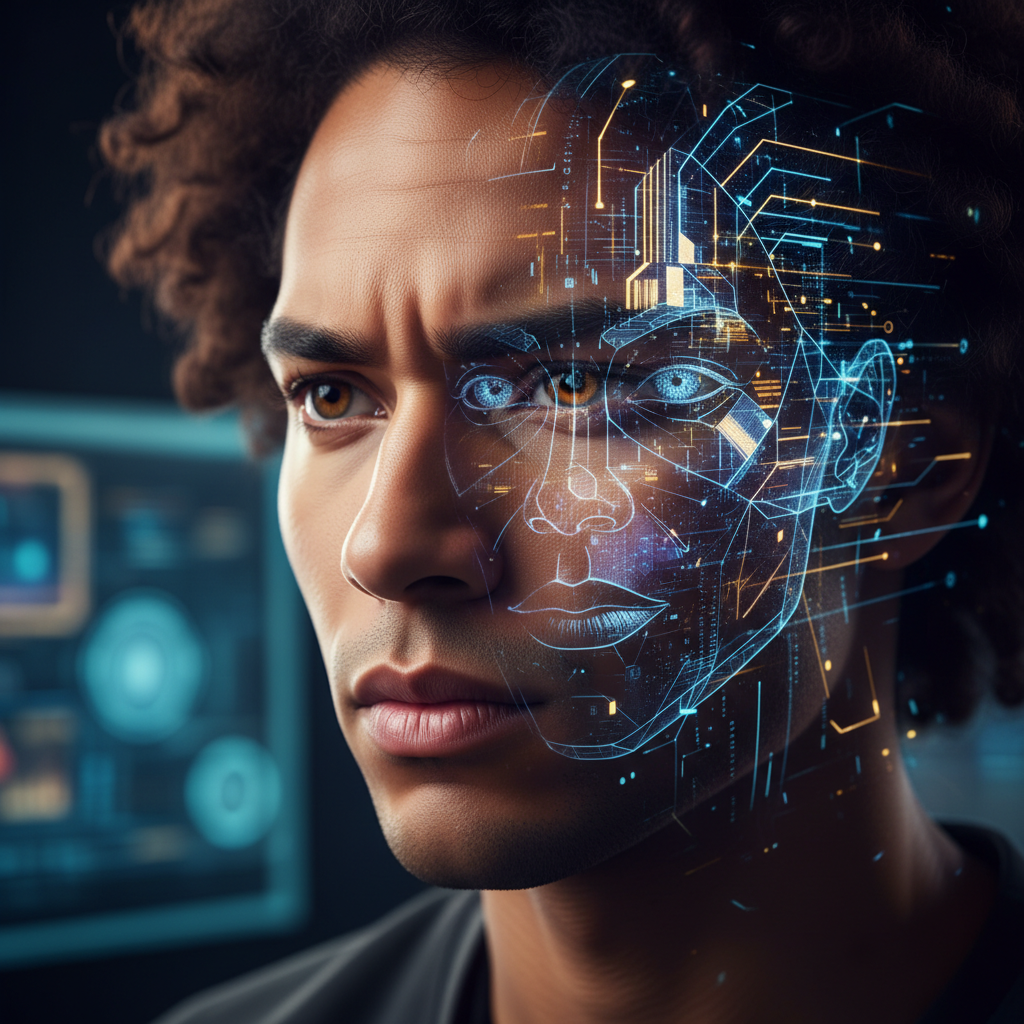
A fascinating wave of innovation is sweeping through Google Labs, marked by the introduction of an exciting new “avatar” feature for Flow, Google’s dynamic tool for generating and remixing AI videos and images. Elias Roman, Vice President of Product Management at Google Labs, recently showcased this capability, highlighting how creators can now effortlessly insert their digital likeness into any AI-generated clip.
As Roman explains, “This is for creators who want to bring themselves into their content but don’t want to have to shoot themselves.” This innovative approach empowers content creators to personalize their narratives without the need for traditional filming, opening up new avenues for imaginative expression.
Step into Your AI Story with New Avatars
Google’s new avatar feature is designed to put you directly into your AI-generated content. You can think of it as a personalized “selfie deepfake” experience, available not just through Flow but also via the Gemini app and YouTube. This exciting development was unveiled at Google’s annual I/O developer conference in Mountain View, California, signaling a major leap in AI-powered creativity.
Setting up your avatar is surprisingly straightforward. Users simply access their Flow account settings, scan a QR code on their phone, and then record themselves speaking a string of numbers aloud while moving their head to capture various angles. This process is designed to create a highly accurate and lifelike digital clone, ready to star in your next viral video.
A crucial distinction from past experimental platforms like OpenAI’s defunct Sora app is Google’s focus. While Sora allowed users to generate videos of other users based on settings, Google’s initial emphasis for these avatars is firmly on self-creation. This ensures that only you can generate AI versions of yourself, maintaining a strong emphasis on personal control and identity.
Omni Flash: The Engine Behind Your AI Creations
Powering this new wave of AI video generation in Flow is the cutting-edge Omni Flash model, which succeeds its predecessor, Veo. This advanced model significantly overhauls the video generation process, bringing richer detail and unprecedented consistency throughout clips. It’s a game-changer for maintaining character integrity across successive generations.
A major improvement with Omni Flash is its ability to generate characters with remarkable consistency, a weakness in earlier versions of Flow where characters could sometimes warp. Now, not only can AI characters remain stable, but creators can also generate a consistent AI version of themselves from scene to scene. Elias Roman demonstrated this with a humorous, lifelike video of his AI avatar teasing the Flow team in front of a dumpster fire, perfectly capturing his voice and visual identity.
To ensure transparency and authenticity, every video generated using the Omni model, including those featuring your personalized avatar, comes with Google’s proprietary SynthID watermark. This discrete digital signature helps identify content as AI-generated, fostering trust and clarity in the rapidly evolving landscape of generative media.
Google’s Creative Vision for the Future
Flow, originally launched last year under Google’s experimental Labs division, marks a significant strategic pivot for the tech giant. As Roman notes, “Google has never had a product line for creative work before.” This initiative represents Google’s ambitious entry into building tools specifically designed for the next generation of digital creators.
The enhancements to Flow are part of Google’s broader strategy to mainstream advanced AI concepts like “AI agents” and “vibe coding.” AI agents are automated software taskmasters that can handle repetitive instructions, while vibe coding allows users to build bespoke features with natural language prompts. For instance, creators can now repeat custom instructions for video generation or set up automated workflows to organize similarly styled clips, streamlining their creative process.
Google isn’t alone in exploring self-controlled deepfake video tools for creators. YouTube Shorts recently introduced a limited option for users to create and insert similar AI avatars into their clips. Other Silicon Valley giants, like Meta, are also transforming creator outputs with generative AI, as seen with their feature that seamlessly translates Instagram Reels into different languages, even adjusting lip movements to match.
While these sophisticated AI tools offer incredible efficiencies, allowing creators to produce compelling content with minimal effort, they also spark debate. The increasing prevalence of generative AI content is polarizing audiences, with some questioning the authenticity and values behind such videos. The ongoing challenge remains whether viewers can truly discern AI-generated content from traditionally created media.
Source: Wired – AI
