At ZDNET, we believe in bringing you the most accurate and helpful recommendations possible. Our team dedicates countless hours to rigorously testing, researching, and comparing products, ensuring our advice is always trustworthy. We delve into vendor information, independent reviews, and crucial customer feedback to understand what truly matters to real users.
When you click through our links and make a purchase, we may earn an affiliate commission. This support helps fund our independent journalism, but rest assured, it never sways our editorial content or the price you pay. Our commitment is always to you, the reader, delivering unbiased guidance to help you make smarter tech decisions.
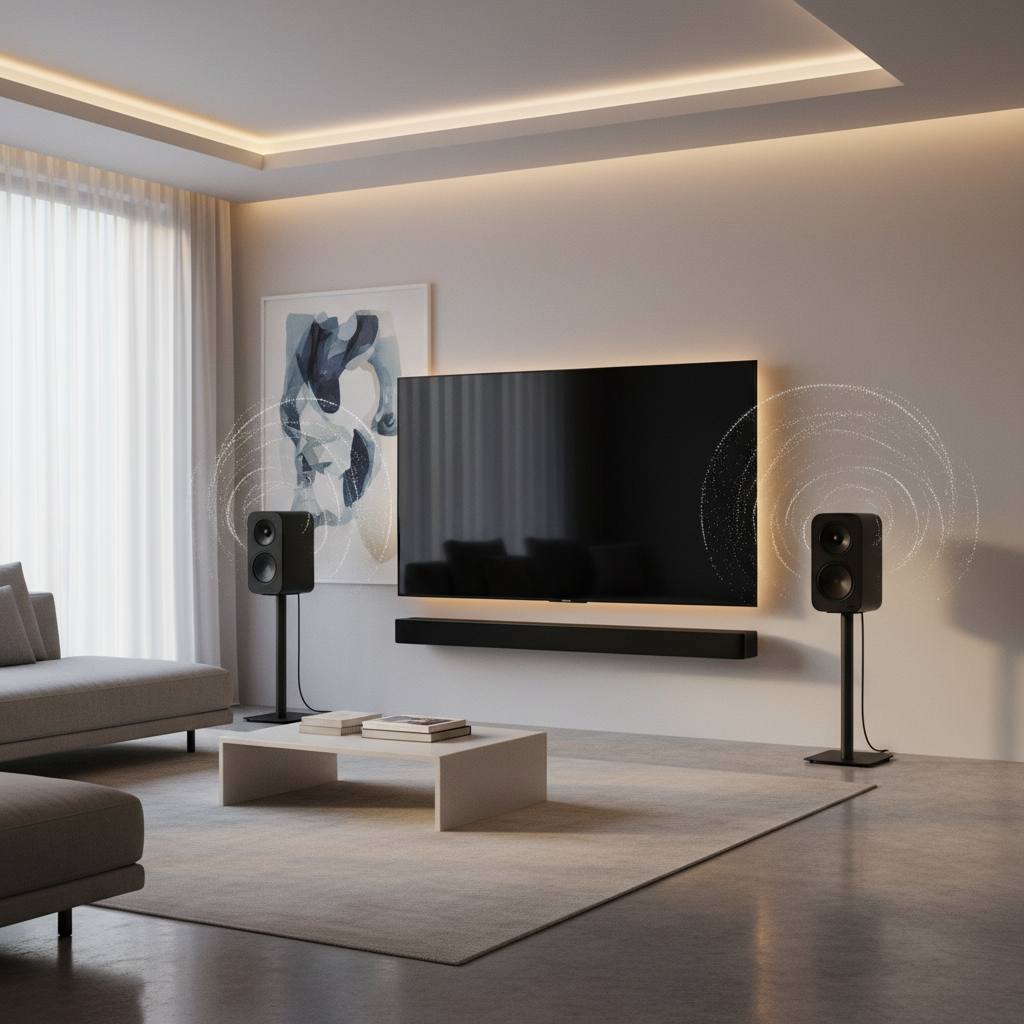
Many Sonos home theater owners know the joy of crisp, immersive sound. Yet, even with powerful setups like the Sonos Arc and Era 300s, some users find their system isn’t quite living up to its full potential straight out of the box. Especially when listening to stereo content, your soundbar might seem to carry most of the audio weight, leaving your surrounds feeling a bit… quiet.
The good news is that unlocking a richer, more balanced audio experience is often just a few taps away in your Sonos app. By understanding and fine-tuning some key settings, you can transform your listening experience from good to truly exceptional. Let’s dive into how you can make the most of your Sonos home theater system.
Unlocking Your Sonos Home Theater’s Full Potential
The addition of dedicated rear speakers and a powerful subwoofer dramatically elevates any Sonos soundbar’s performance. When enjoying content in spatial audio, you’ll notice sounds expertly positioned around and behind you, a clear sign your rears are actively working. A great subwoofer, on the other hand, adds a palpable layer of bass that you can truly feel, bringing movies and music to life.
Initially, even with a premium setup like the Sonos Arc Ultra, two Era 300s, and a Sub 4, I felt that my soundbar was doing too much of the heavy lifting. Stereo tracks often sounded front-heavy, with the Era 300s barely contributing to the soundstage. This imbalance left me wondering if I was truly maximizing my investment in a full home theater system.
If you’re experiencing a similar sensation — perhaps your surrounds are too subtle, or your bass is lacking impact — you’re not alone. Many users set up their system and leave the default audio settings unexplored, unsure of what each option means. However, a little experimentation with these powerful controls can profoundly improve your audio immersion, especially for stereo music and non-Atmos content.
Navigating Your Sonos Audio Settings
Before you begin, ensure you have your Sonos speakers configured in a home theater setup and have access to your Sonos account through the app. The journey to better sound starts by opening your Sonos app and selecting the room containing your home theater system. From there, simply scroll down to the “Sound” category.
Within this section, you’ll discover a range of options to fine-tune the audio output of your surrounds, subwoofer, and even height channels, if your system supports them. The key to successful adjustment is to find your ideal listening position in the room first, whether that’s a specific spot on the couch or a dedicated chair. Remember, there’s no single “correct” setting for everyone; trust your ears and what sounds best to you.
All these settings are fully reversible, so feel free to experiment without worry. You might even find that certain combinations work perfectly for movie nights but require slight tweaks for music listening. This flexibility allows you to tailor your Sonos experience to any content type.
Deep Dive into Specific Audio Adjustments
Let’s explore each vital setting and how it can help you sculpt your perfect soundstage.
- Equalizer (Bass & Treble): This foundational setting allows you to adjust the bass and treble across your entire system within the chosen room. You can slide each category on a 20-point scale. For a balanced yet impactful sound, I personally keep my Bass at +2 and Treble at +1, which adds a subtle richness without overpowering other frequencies.
- Loudness: The Loudness feature is designed to boost audio frequencies at lower volumes, ensuring you hear a wider range of sounds. Our ears naturally focus on midrange frequencies like dialogue when volume is low, but higher volumes enhance bass and treble. Enabling Loudness can make background music or quiet movie scenes sound fuller and more dynamic without needing to crank up the master volume.
- TV and Music Level (Surrounds): Located within a dedicated settings folder, these controls adjust the audio level of your surround speakers specifically for TV audio or music playback. You can fine-tune these levels on a 30-point scale (plus or minus 15). While I typically keep these settings neutral, boosting them slightly can add more ambiance and immersion, especially if your surrounds feel too subtle.
- Surround Distance: Accurate surround distance calibration is crucial for balancing your rear speakers effectively. This setting refers to the distance from your Sonos surround speakers to your primary listening position. However, Sonos offers only three vague distance options; for the most precise measurement, it’s often best to let TruePlay gauge this distance automatically, especially if your furniture and speakers are stationary.
- Music Playback (Ambient vs. Full): This powerful feature dictates the loudness and character of your rear speakers’ output during music playback. Choosing “Ambient” prioritizes the front soundstage, making music feel more centered. However, I prefer “Full” for a truly immersive experience, as it brings the rear speakers into play more actively, balancing the sound and creating a wider, more enveloping soundstage, even for stereo tracks. This setting does not affect Dolby Atmos music playback.
- Height Channels: Soundbars like the Sonos Arc, Arc Ultra, Beam (Gen 2), and dedicated speakers like the Era 300 boast upfiring speakers. These drivers project sound upwards, bouncing it off your ceiling to create the illusion of overhead effects in spatial audio content. If you’ve struggled to perceive overhead sounds, increasing the volume of these height channels can significantly strengthen their presence. With my nine-foot ceilings, adjusting my height channels to +4 made a noticeable difference, adding a convincing sense of verticality to the soundscape.
- Subwoofer Volume and Phase Control: Your subwoofer’s volume is key to getting the right bass impact without overwhelming your other speakers. I keep my powerful Sub 4 at +2; increasing it too much can make the bass boomy and muddy. Adjust this setting if your system sounds thin or excessively resonant.
- For phase control, keep it at 0 degrees if your subwoofer is near your main speakers and facing your listening position. If it’s on the opposite side of the room, or if you notice a subtle cancellation or weakening of bass, try flipping the phase control to 180 degrees. This adjustment can help ensure the bass waves from your subwoofer align correctly with your other speakers, preventing cancellation and maximizing impact.
Source: ZDNet – AI
