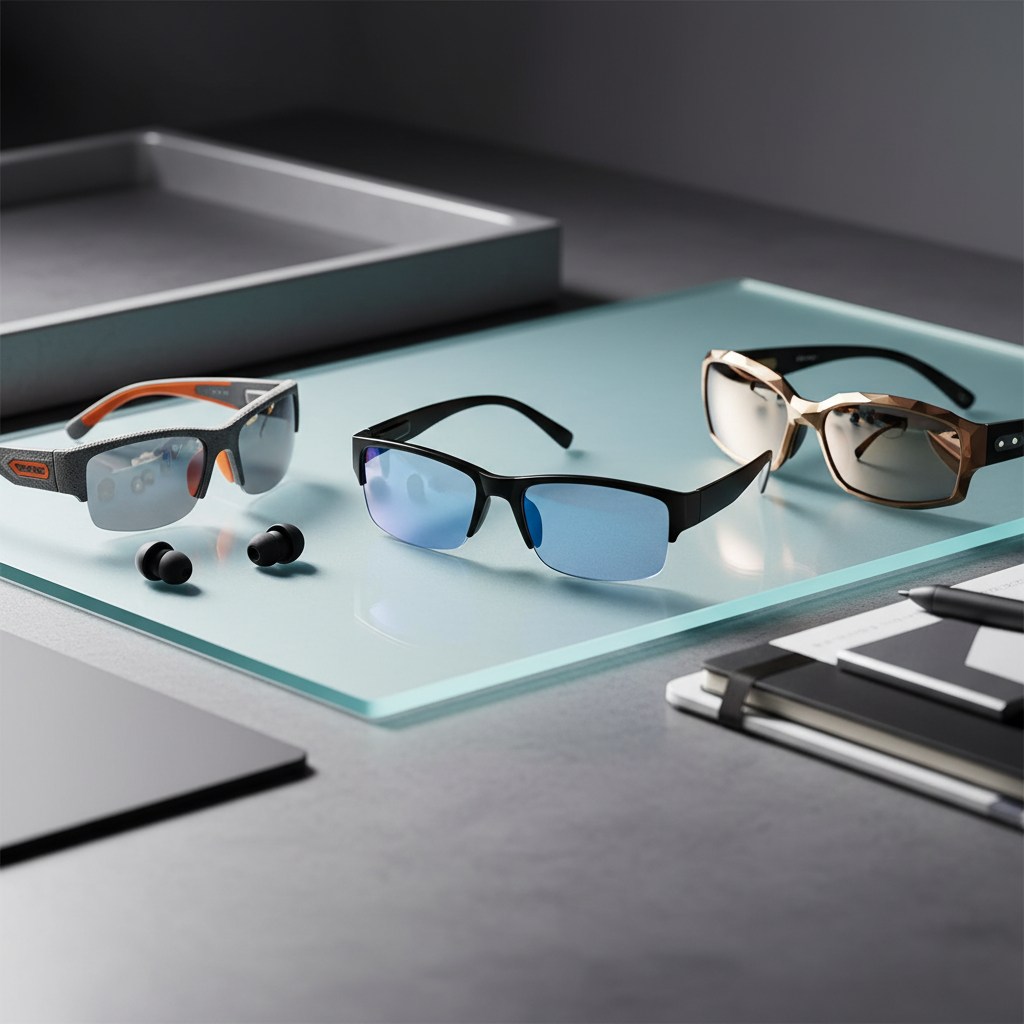
Have you ever noticed how the design of a gadget often tells you exactly who it’s made for? Nowhere is this more apparent than with smart glasses. From sleek, subtle frames to bulkier, tech-forward devices, every aesthetic choice is a deliberate signal about its intended user and purpose.
In the evolving world of wearable technology, smart glasses stand at a fascinating crossroads of fashion and functionality. The way these devices look isn’t just about aesthetics; it’s a critical clue into the manufacturer’s vision for their product and the audience they are trying to reach.
The Design Dilemma: Fashion vs. Function
Remember the early days of smart glasses? Devices like Google Glass were revolutionary in concept but often clunky in execution, sporting a distinct, almost alien, appearance. While groundbreaking, their overt techy look signaled a focus on utility and early adoption rather than mainstream style, leading to a mixed public reception.
This initial foray highlighted a core challenge: how do you integrate advanced technology into something as personal and style-driven as eyewear without making it look out of place? The answer, as we’ve seen, often involves making a strategic choice between prioritizing immersive features or everyday wearability.
Modern designers constantly wrestle with this tension. Creating a device that offers powerful augmented reality features typically requires more sensors, projectors, and battery life, which often translates to a larger form factor. Conversely, making smart glasses that blend seamlessly into daily life usually means scaling back on some of those cutting-edge capabilities.
Targeting the Mainstream: The “Invisible Tech” Approach
For a segment of the market, discretion and style are paramount. Companies aiming for mass consumer adoption often prioritize designs that are virtually indistinguishable from regular eyeglasses or sunglasses. Think of products like Ray-Ban Stories or Amazon Echo Frames.
These devices typically focus on more subtle functionalities, such as integrated audio, discreet cameras for quick photos and videos, or voice assistant access. Their understated appearance is a clear message: “These are for everyday wear, for social sharing, and for integrating tech seamlessly into your existing lifestyle.” The target audience here is broad, valuing convenience and connectivity without sacrificing their personal style.
By blending familiar aesthetics with useful, non-intrusive features, these smart glasses appeal to individuals who might otherwise be intimidated by more overtly futuristic designs. They represent a significant step towards normalizing wearable tech, making it an accessory rather than a statement piece of technology.
Power Users and Professionals: Function Over Form
On the other end of the spectrum, we find smart glasses designed for highly specialized tasks or immersive augmented reality experiences. Devices like Magic Leap or Microsoft HoloLens often boast a more robust, sometimes industrial, design.
These products are built with powerful processors, advanced optics, and sophisticated sensor arrays to deliver true augmented reality overlays and complex spatial computing. Their bulkier frames and visible components are a deliberate trade-off, indicating a focus on unparalleled functionality over everyday fashion. The design tells you these aren’t just for casual use; they’re tools.
Their primary users are typically developers, enterprise clients, or professionals in fields like manufacturing, healthcare, or design, where hands-free access to digital information and interactive 3D models is critical. For this audience, the transformative capabilities of the technology far outweigh any aesthetic considerations.
The Road Ahead: Merging Style and Substance
The journey of smart glasses design is far from over, and the ultimate goal for many manufacturers remains the same: to create a device that offers robust capabilities without compromising on aesthetics. Miniaturization of components, advancements in waveguide technology, and more efficient power solutions are paving the way for this convergence.
Imagine smart glasses that look exactly like your favorite pair of frames but can seamlessly overlay navigation, translate languages in real-time, or connect you to immersive digital worlds. This future, where powerful tech becomes truly invisible, is what designers and engineers are relentlessly striving for.
Ultimately, every design choice in smart glasses is a strategic decision, revealing the manufacturer’s target market and the core value proposition of their product. As technology continues to evolve, we can expect to see even more innovative designs, each telling its own compelling story about who they’re chasing and what they hope to achieve.
Source: Google News – AI Search
