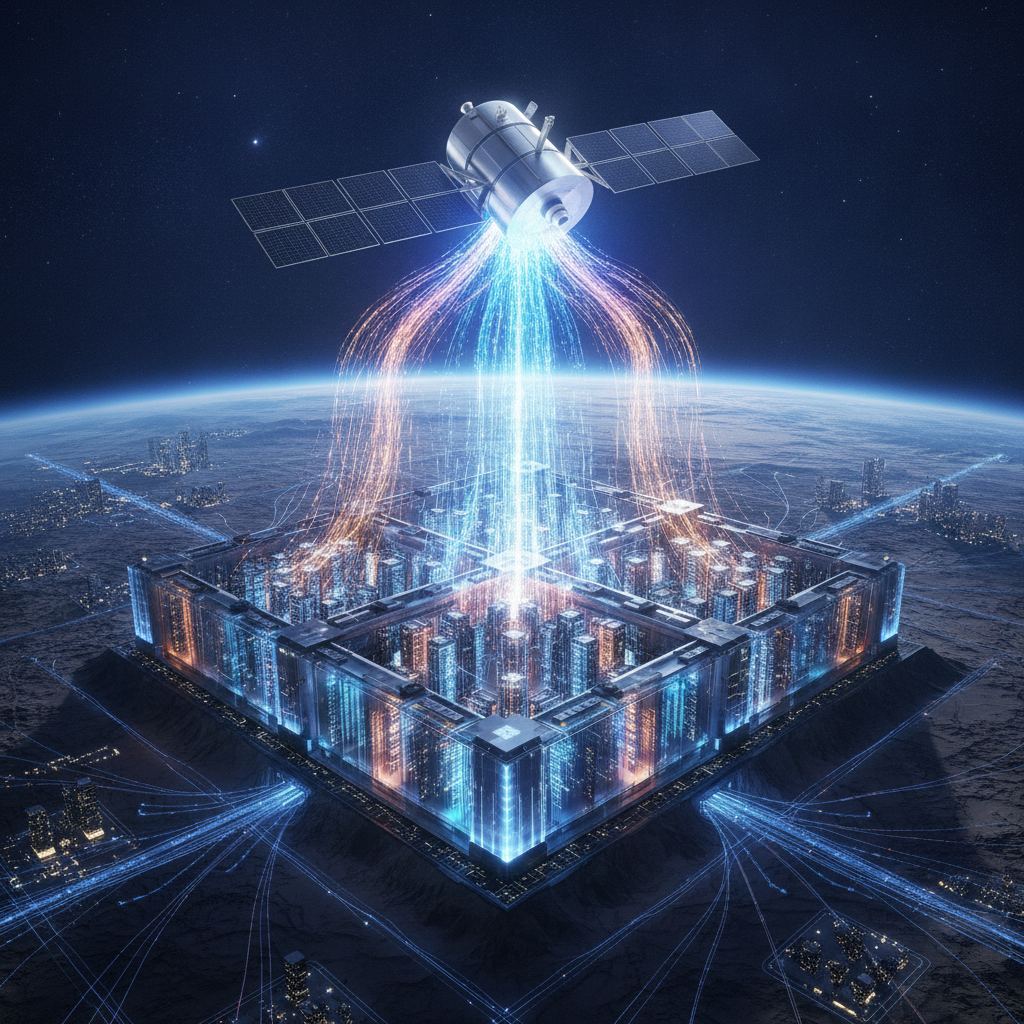
The tech world is abuzz, and for good reason. A dramatic shift in the landscape of high-performance computing is making headlines, highlighted by a staggering 50% surge in “SpaceX compute” prices in just two weeks. This unprecedented spike coincides with news of Google’s monumental $11 billion annual AI deal, collectively painting a vivid picture of an industry grappling with an insatiable demand for processing power.
These two seemingly disparate events are actually deeply interconnected, signaling a pivotal moment in the global race for artificial intelligence dominance. The underlying message is clear: compute resources, especially those tailored for cutting-edge AI, are becoming the new gold, driving up costs and creating fierce competition among tech giants and innovators alike.
The AI Compute Arms Race Intensifies
Artificial intelligence, once a niche field, has rapidly evolved into the driving force behind the next generation of technological advancement. From powering complex large language models (LLMs) to enabling sophisticated data analysis and autonomous systems, the computational demands of AI are simply staggering.
Training a single advanced AI model can require thousands of powerful Graphics Processing Units (GPUs) running for weeks or even months, consuming immense amounts of energy. This relentless need for parallel processing power is creating unprecedented strain on existing infrastructure, pushing the limits of supply chains and data center capacities worldwide. Google’s commitment of $11 billion annually towards its AI infrastructure underscores the scale of investment now required to stay competitive.
This massive financial outlay from a tech titan like Google isn’t just about expanding its own capabilities; it sends a strong signal to the entire market. It signifies a long-term, multi-billion dollar bet on AI, guaranteeing sustained, high-level demand for the specialized hardware, software, and engineering talent necessary to fuel its growth. Such investments inevitably reverberate across the ecosystem, impacting everything from chip manufacturing to the pricing of compute services.
Decoding the SpaceX Compute Surge
While SpaceX is primarily known for its groundbreaking work in reusable rockets and satellite internet with Starlink, the term “SpaceX compute” refers to a fascinating development in the high-performance computing market. The sudden 50% price increase in two weeks suggests a highly specialized and in-demand segment of computing resources, possibly leveraging unique aspects of SpaceX’s technological ecosystem.
It’s plausible that this “SpaceX compute” relates to access to powerful GPU clusters, perhaps repurposed from internal operations or offered as a niche service. Given SpaceX’s ventures into satellite internet and complex aerospace engineering, they possess significant data processing capabilities and specialized hardware that could be valuable for certain AI or data-intensive workloads. Alternatively, it might refer to a specific, high-bandwidth, low-latency compute offering that could synergize with their Starlink network, enabling distributed processing or enhanced data transfer for compute-intensive tasks.
Regardless of the precise definition, this sharp escalation in pricing serves as a potent indicator of the extreme pressure on specialized computing resources. It highlights that even niche providers or unique configurations of compute power are being swept up in the global scramble for AI infrastructure. The rapid price surge points to a market where supply is severely constrained, and demand is skyrocketing, driven by urgent needs from both established giants and agile startups.
What This Means for the Future of Tech
The convergence of soaring compute prices and multi-billion dollar AI deals paints a clear picture: access to high-performance computing is rapidly becoming a strategic imperative. For companies large and small, securing adequate compute resources is no longer just an operational expense; it’s a critical differentiator and a potential bottleneck for innovation.
This environment is likely to spur further investment in novel computing architectures, energy-efficient data centers, and advanced cooling technologies. Expect to see intensified research and development in areas like quantum computing and neuromorphic chips, as the industry seeks to overcome the physical limitations of current hardware. Furthermore, the rising cost of compute could lead to a greater emphasis on optimization, encouraging developers to create more efficient AI models and algorithms.
Ultimately, these market dynamics underscore a thrilling yet challenging era for technology. While the advancements driven by AI promise transformative change, the infrastructure required to power them is becoming increasingly valuable and contested. Businesses and innovators must navigate this complex landscape, strategically planning their compute needs to ensure they remain at the forefront of the artificial intelligence revolution.
Source: Google News – AI Search
