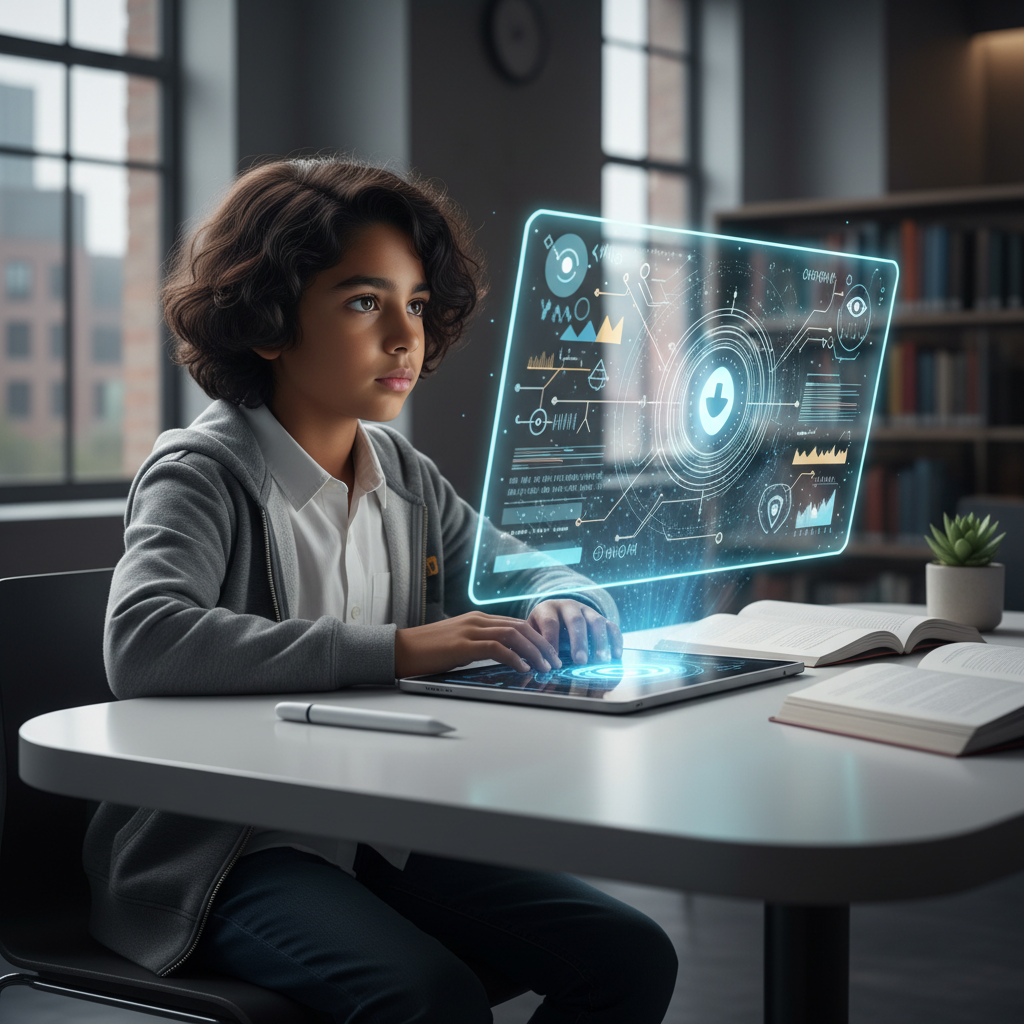
The conversation around Artificial Intelligence (AI) has rapidly moved from the realm of science fiction into our everyday lives, and now, squarely into the classroom. Integrating AI into K-12 education is sparking a robust debate among educators, parents, policymakers, and technologists alike. This isn’t just about new gadgets; it’s about fundamentally rethinking how children learn and how teachers teach.
On one side, proponents envision AI as a transformative force, capable of personalizing education and preparing students for an increasingly tech-driven future. On the other, critics raise significant concerns about student privacy, potential biases, and the indispensable role of human interaction. Understanding both perspectives is crucial as we navigate this exciting, yet complex, frontier in schooling.
The Promise of AI in the Classroom
One of the most compelling arguments for AI in education lies in its potential for hyper-personalized learning. Imagine an intelligent tutor that understands each student’s unique learning style, pace, and knowledge gaps, providing tailored content and immediate feedback. This adaptability ensures no student is left behind or held back by a one-size-fits-all approach, and can effectively differentiate instruction for diverse needs.
Beyond individualized instruction, AI promises to significantly ease the administrative burden on teachers. Tasks like grading quizzes, managing attendance, and even identifying plagiarism can be automated, freeing educators to focus on more meaningful student interaction, mentorship, and creative lesson planning. Furthermore, introducing AI early prepares students for a future job market increasingly dominated by technological literacy and AI applications, equipping them with essential 21st-century skills.
Navigating the Challenges and Concerns
However, the rapid adoption of AI in schools raises a host of ethical and practical concerns. A primary worry revolves around student privacy and data security, given that AI systems often require access to sensitive personal information. Robust safeguards and transparent policies are essential to protect this data from misuse or breaches by third-party vendors.
There’s also the significant risk of algorithmic bias, where AI models trained on existing data can reflect and even amplify societal prejudices. This could inadvertently lead to unfair assessments or less effective support for certain student demographics, necessitating meticulous design and continuous auditing for equitable outcomes.
Critics also fear the erosion of human connection and the unique role of the teacher. While AI can deliver content efficiently, it cannot replicate the empathy, nuanced guidance, and social-emotional learning that a human educator provides. Moreover, an over-reliance on AI might inadvertently hinder the development of essential human skills like independent problem-solving and creative thinking.
The “digital divide” remains a persistent concern. Unequal access to reliable internet, modern devices, and technical support could exacerbate existing educational disparities, creating a two-tiered system for students from underserved communities. Implementing AI without addressing these infrastructure inequalities could further disadvantage vulnerable learners.
Towards a Balanced and Responsible Integration
Ultimately, the question isn’t whether AI *will* enter K-12 education, but rather *how* it will be thoughtfully and responsibly implemented. This requires a balanced approach, leveraging AI’s benefits while proactively mitigating its potential pitfalls, supported by clear ethical guidelines and transparent partnerships.
Comprehensive training for educators is essential, equipping them not just to use AI tools, but to critically understand their limitations and integrate them pedagogically. By engaging in open dialogue, rigorous research, and prioritizing student well-being, we can harness AI’s potential to create a more effective, engaging, and equitable educational future for all.
Source: Google News – AI Search
