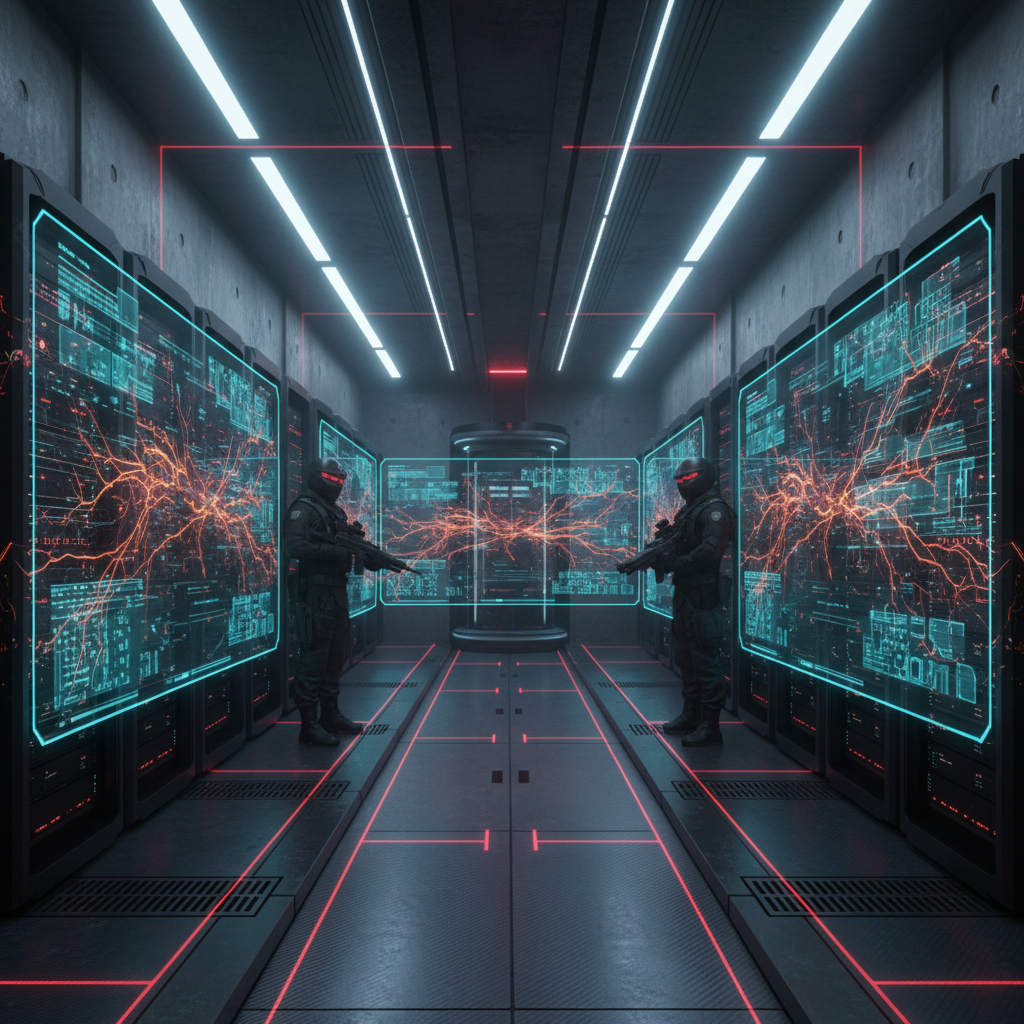
In a significant development that could reshape the landscape of national security and artificial intelligence, several leading AI companies have reportedly agreed to partner with the Pentagon. This unprecedented collaboration centers on the critical task of managing and analyzing sensitive, classified data. The move signals a new era of cooperation between Silicon Valley and the Department of Defense, aiming to accelerate technological advancements for national security.
This partnership comes at a time when global superpowers are vying for dominance in AI innovation, making the integration of cutting-edge technology into defense strategies paramount. By leveraging the expertise of top commercial AI firms, the Pentagon seeks to enhance its capabilities in areas like intelligence analysis, predictive logistics, and sophisticated threat detection. It’s a bold step toward ensuring the United States maintains its technological edge in an increasingly complex world.
Bridging the Gap Between Tech and Defense
For years, a delicate balance has existed between the tech industry’s ethical guidelines and the defense sector’s operational needs. Previous collaborations, such as Project Maven, faced considerable internal and public scrutiny, prompting many tech giants to reconsider their involvement in military applications. This new agreement, however, appears to represent a refined approach, emphasizing the responsible and secure application of artificial intelligence.
The core of this collaboration involves enabling these AI companies to work directly with the Pentagon’s vast repositories of classified information. This access is crucial for developing AI models capable of processing and interpreting highly sensitive data, which is often essential for critical decision-making. The goal is to transform raw data into actionable intelligence more efficiently and accurately than ever before, bolstering national defense capabilities significantly.
Specific areas where this partnership is expected to yield substantial benefits include:
- Enhanced Intelligence Analysis: Utilizing AI to sift through enormous volumes of intelligence data, identifying patterns and insights that human analysts might miss.
- Improved Cybersecurity: Developing advanced AI tools to detect and neutralize sophisticated cyber threats targeting national infrastructure and classified networks.
- Accelerated Logistics and Planning: Optimizing supply chains, resource allocation, and operational planning through AI-driven predictive analytics.
- Advanced Threat Detection: Deploying AI systems capable of identifying emerging threats and anomalies in real-time across various domains.
Navigating Ethical AI and Security Concerns
The decision to grant private AI firms access to classified Pentagon data naturally raises important questions about security protocols and the ethical implications of advanced AI in military contexts. Both the participating companies and the Department of Defense are acutely aware of these concerns, reportedly putting robust safeguards in place. These measures aim to protect sensitive information while ensuring the AI developed is used responsibly and ethically.
Emphasizing “responsible AI development” is a key component of this new understanding. Discussions likely include frameworks for accountability, transparency, and human oversight in AI-powered defense systems. The goal is to ensure that while AI augments capabilities, human judgment remains central to critical decisions, especially those with ethical ramifications.
Moreover, the security of this classified data is paramount. The collaboration will undoubtedly involve stringent vetting processes for personnel, secure computing environments, and advanced encryption techniques to prevent breaches. Protecting national security interests while harnessing the power of commercial innovation is a complex balancing act that both parties are committed to upholding.
The Future of Defense Innovation
This landmark agreement marks a pivotal moment for both the defense industry and the broader tech community. It signals a pragmatic recognition from the Pentagon that remaining at the forefront of technological innovation requires tapping into the private sector’s rapid advancements in artificial intelligence. Conversely, it offers leading AI firms a unique opportunity to apply their cutting-edge research to high-impact national security challenges.
While the specifics of the participating companies and the exact scope of their projects remain largely undisclosed due to the classified nature of the work, the implications are far-reaching. This partnership could set a precedent for future collaborations, fostering a more integrated ecosystem where civilian tech innovation directly contributes to national defense. As AI continues to evolve at an astonishing pace, such alliances will be crucial for maintaining a competitive edge and safeguarding national interests in the digital age.
The synergy between government defense needs and commercial AI expertise has the potential to redefine what’s possible in military technology. This strategic alignment underscores a commitment to innovation, security, and the responsible deployment of powerful artificial intelligence tools. It’s a testament to the belief that collective ingenuity is the strongest defense in a rapidly changing global landscape.
Source: Google News – AI Search
